Tattoo Guide/teardrop tattoo meaning
What does a teardrop tattoo mean?
A single drop under the eye, and yet one of the most heavily loaded tattoos there is. The teardrop comes from **prison and gang culture**, where every detail of the design follows a code. Before you go through with it, you need to understand what that teardrop really says, and above all what other people will read into it.
6 min read · Updated Oct 2026
Got a teardrop in mind? Test it somewhere other than under the eye and see the real result before deciding.
Create your teardrop tattooQuick answer
The teardrop tattoo is one of the most loaded designs in existence. Born in prison and gang culture, it can mean, depending on the code, mourning a loved one, a prison sentence served, or sometimes a violent act committed. Today some people wear it as a symbol of grief or hardship overcome, but under the eye it remains heavily charged and can easily be misread. Think hard about placement before you commit.
Key takeaways
- 01Born in prison and gang culture: a precise code, not just an aesthetic design
- 02According to the codes: mourning a loved one, a prison sentence served, sometimes a violent act
- 03Also worn today as a symbol of grief or hardship overcome
- 04Under the eye, the teardrop remains heavily charged and can be misread
- 05Alternatives: a teardrop somewhere other than the face, or a less loaded symbol like the semicolon
Three ways to draw a teardrop
TryTattoo designsThe same design says very different things depending on the treatment. Fine line for a quiet keepsake, old school for the crying eye, realism for a memorial piece.
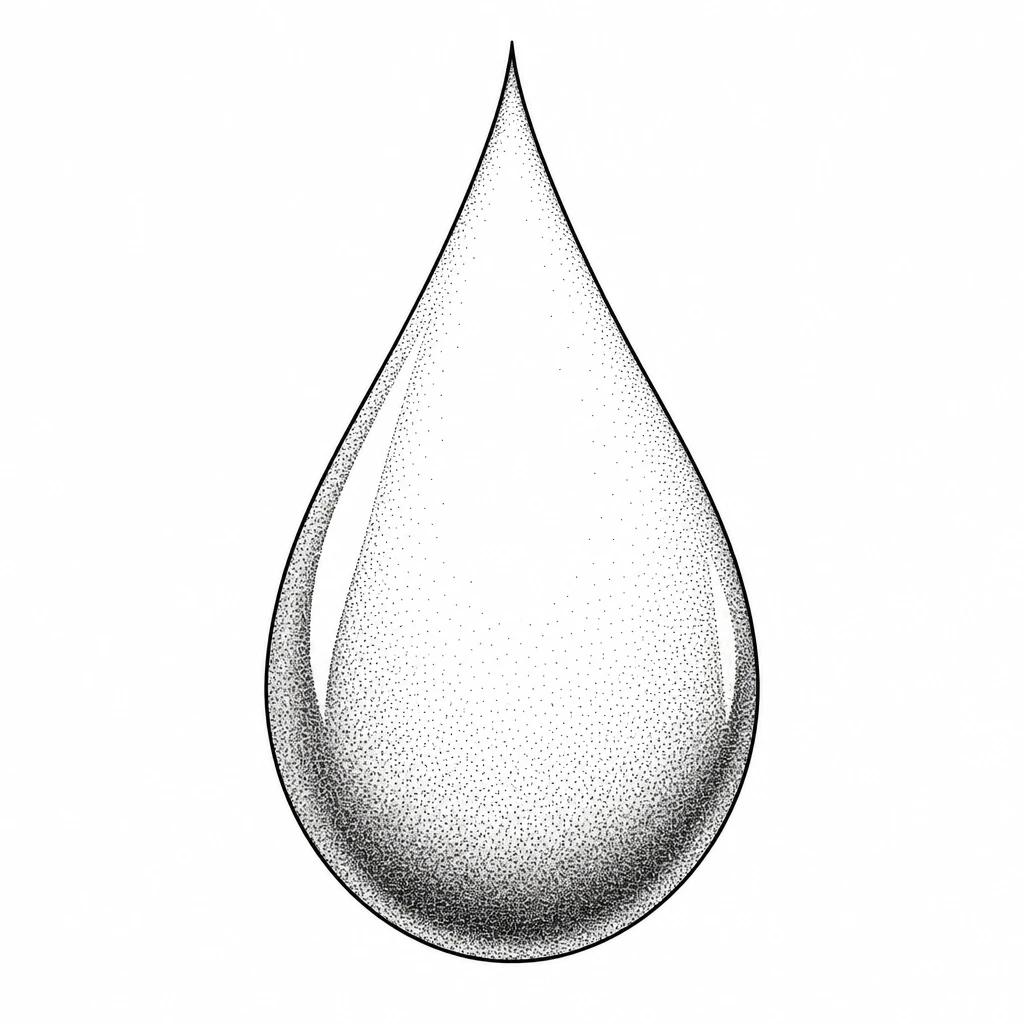 Fine line
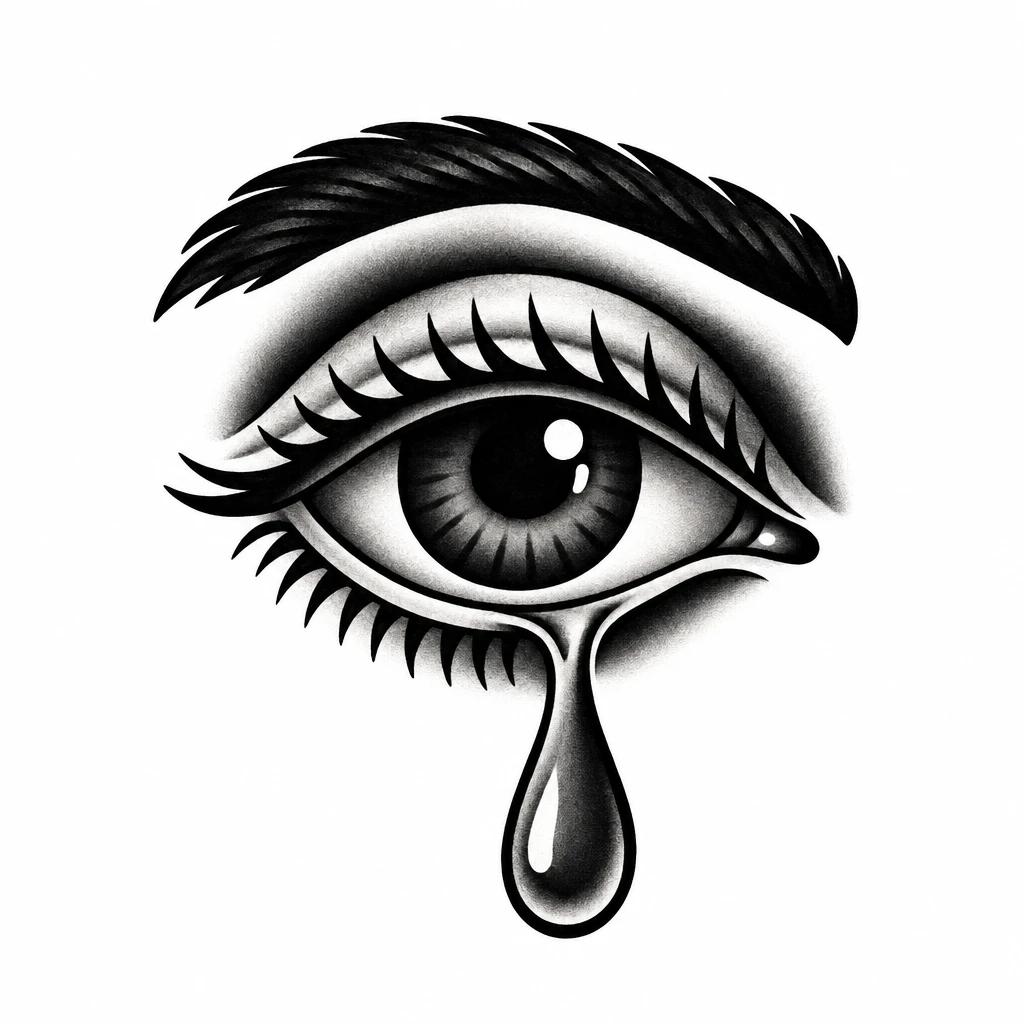 Old school
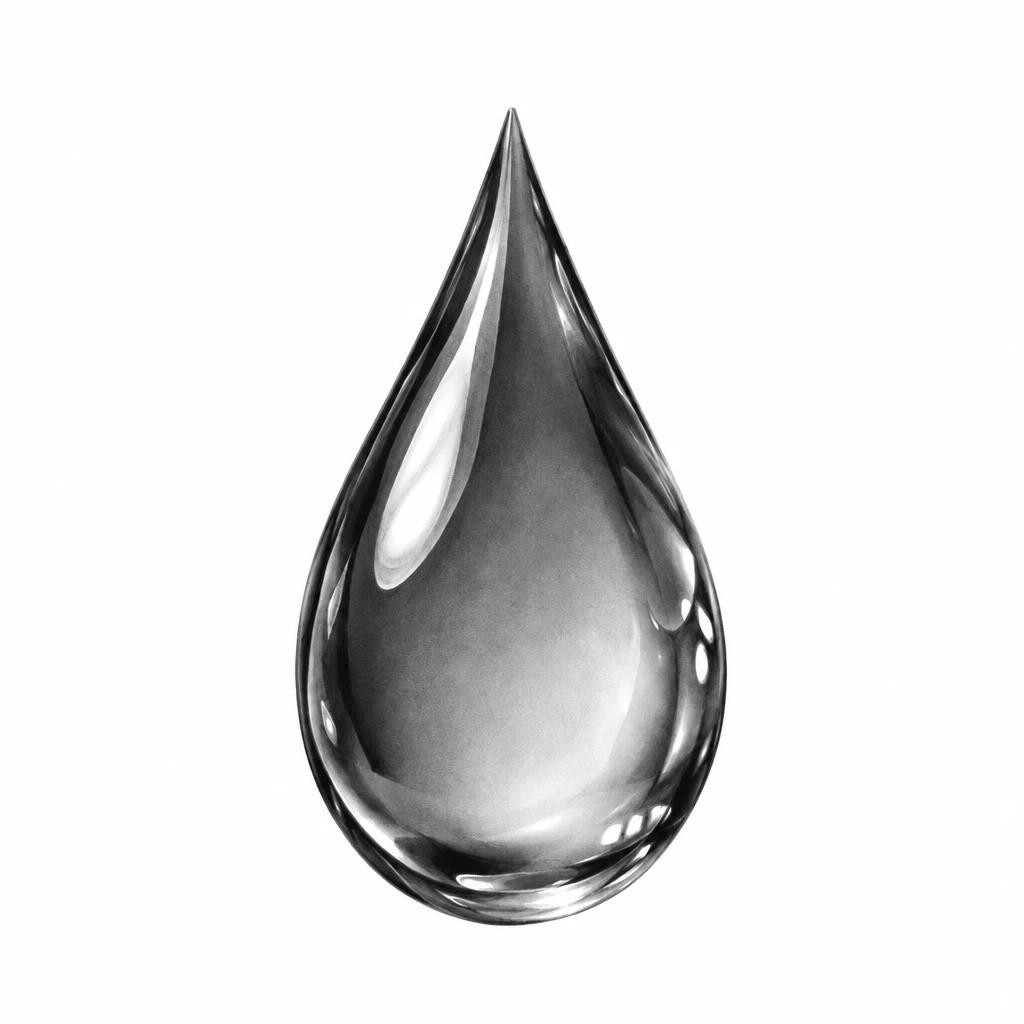 Realism
Designs generated with TryTattoo.
The teardrop, a symbol born behind bars
Unlike most designs, the teardrop does not have a meaning you get to choose freely: its meaning precedes you. It spread through prison and gang cultures, particularly in the United States and Latin America, where it works as a code readable by those who know it: a loss, time served in prison, sometimes a claimed act of violence.
That is what makes this tattoo so particular: whatever you want it to say, part of the public will read the original code first. Worn under the eye, it speaks before you do. To compare it with symbols whose meaning is more open, see our guide to [tattoo meanings](/guide/tattoo-meanings).
Teardrop tattoo meanings according to the codes
Readings vary by region, by group and by the shape of the teardrop, but these core meanings come up again and again:
- Mourning a loved one: the teardrop weeps for someone, often lost to violence
- A prison sentence served: the mark of time spent behind bars
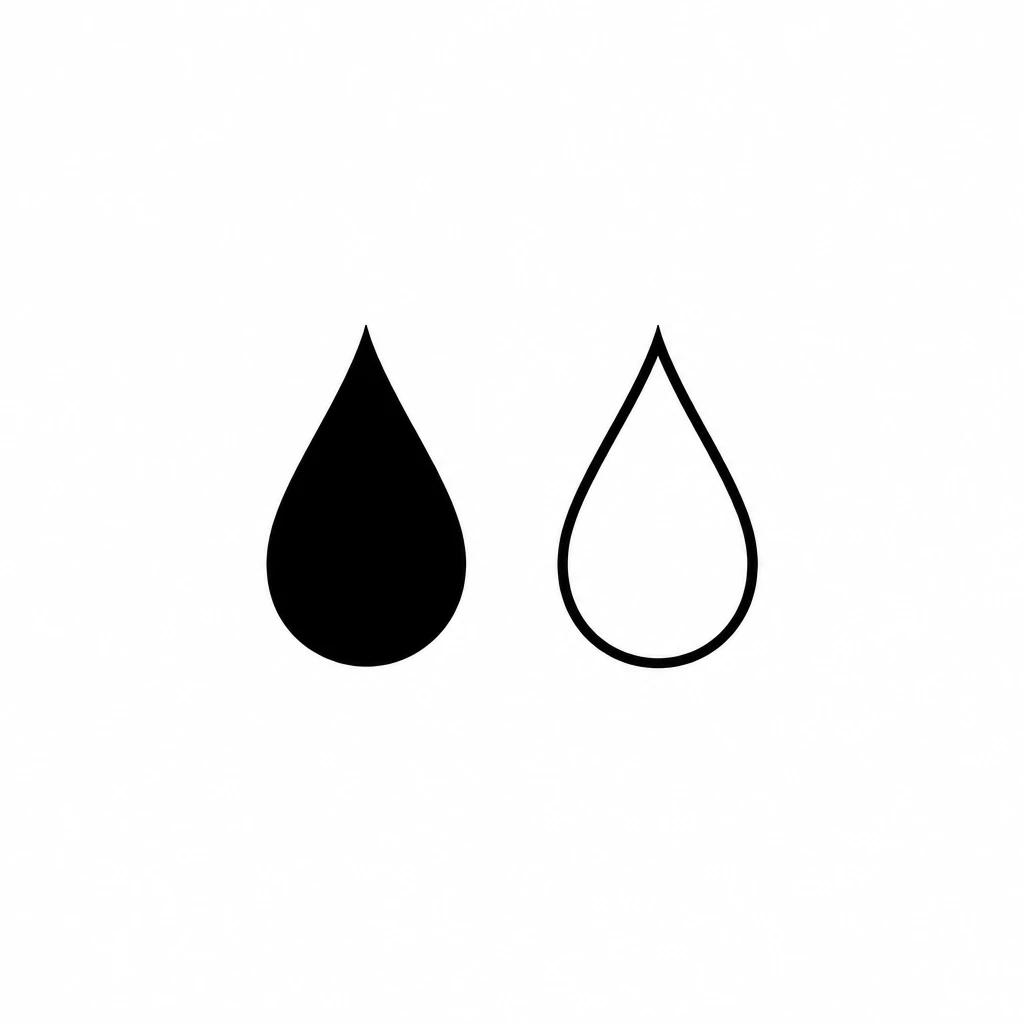
- A violent act: in some gang codes, a filled teardrop can claim a murder
- An empty teardrop (outline only): depending on the code, a loss, an attempt, or an unfinished sentence; readings differ
- Hardship overcome: the modern usage, detached from the original codes
- A tribute: keeping visible the trace of a loss that marked a life
Filled or empty teardrop: the difference
Same design, two fills, two readings. On the left the fully blacked-in teardrop, on the right the outline only. The codes vary between groups and regions, but the distinction is always made.
The teardrop in history and culture
American and Latin American prison culture: this is where the design became codified, particularly in Chicano culture, where the tattooed face tells a story: losses, sentences, affiliations.
Popular culture: from the 1990s and 2000s onward, figures in American rap wore the teardrop under the eye and made it known far beyond prison walls, blurring its meaning without ever erasing it.
Contemporary usage: in mainstream tattooing, the teardrop has moved off the face to become a symbol of grief or melancholy, often worked into compositions (an old school crying eye, a portrait, memorial lettering).
This history explains the simple rule that surrounds the design: its meaning depends less on your intention than on where you wear it.
Styles and placements: wearing a teardrop differently
Away from the face, the teardrop becomes a discreet, wearable symbol of grief. In fine line, a small teardrop on the wrist, forearm or behind the ear carries the memory without summoning the prison codes. In old school, the crying eye is a classic of the genre, melancholic and graphic. In realism, the teardrop fits into a portrait or a memorial composition, often with a date or initials.
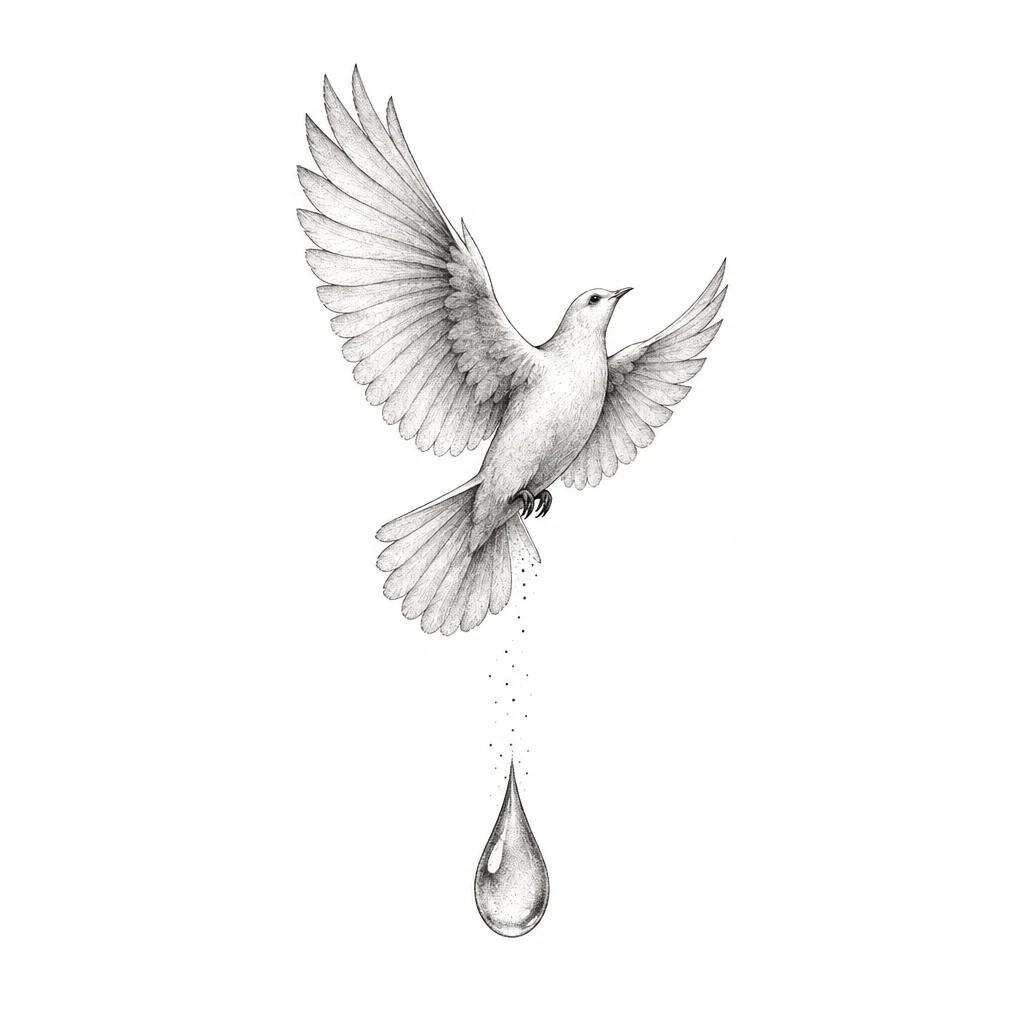
For grief, other symbols carry a similar meaning without the ambiguity: the [dove](/guide/dove-tattoo-meaning) (peace, a soul taking flight) or the [raven](/guide/raven-tattoo-meaning) (memory, a bond with the departed). Before deciding, you can [generate and preview](/studio) several versions on your skin and compare placements.
Carrying grief without the teardrop codes
Pairing the teardrop with another symbol is often enough to shift the reading: it stops being a prison code and becomes a tribute. Here a dove taking flight, linked to the drop by a trail of dots.
Estimate the price of your teardrop tattoo
Size, style, placement, region: get an instant price range for your teardrop tattoo. You can also upload a photo for an estimate based on your design.
Real examples
Fine line teardrop (wrist)
A small thin-lined teardrop, worn as an intimate memory. Grief without the codes of the face, visible only to yourself.
Old school crying eye (forearm)
A traditional composition: a stylized eye with a falling tear. Melancholy fully owned, in a graphic, timeless style.
Teardrop with a date (forearm)
A teardrop paired with a date or initials, in tribute to a lost loved one. Sober, personal, with no ambiguity in how it reads.
See your tattoo before the appointment
Fine line, old school, with a date: compare versions of a teardrop with TryTattoo.
Create your teardrop tattooFrequently asked questions
01What does a teardrop tattooed under the eye mean?
+
What does a teardrop tattooed under the eye mean?
According to the prison and gang codes it comes from, the teardrop under the eye means **mourning a loved one**, a **prison sentence served**, or in some groups a **violent act** committed or suffered. Readings vary by region and by the shape of the teardrop (filled or empty). Since popular culture spread it, some people also wear it as a simple symbol of sadness or hardship, but the original reading remains the most widespread.
02Is a teardrop tattoo on the face a good idea?
+
Is a teardrop tattoo on the face a good idea?
Very rarely. It is a tattoo you cannot hide, whose perceived meaning (prison, gangs, violence) may not be the one you want to carry, and it can weigh heavily in a job interview, an official appointment or a simple first meeting. If the symbol matters to you, a teardrop elsewhere on the body carries the same intimate meaning without the weight of the face. On how visible tattoos play out at work, see [tattoos and work](/guide/tattoos-and-work).
03What is the difference between a filled and an empty teardrop?
+
What is the difference between a filled and an empty teardrop?
In prison codes the distinction exists but varies by group and region, so be wary of universal readings. The **filled teardrop** is often associated with an act carried out or a loss fully mourned; the **empty teardrop** (outline only) with ongoing grief, an attempt, or an unfinished sentence. The key thing to remember is that these nuances belong to codes you do not control: that is the design's main risk.
04Can you wear a teardrop with no connection to prison at all?
+
Can you wear a teardrop with no connection to prison at all?
Yes, and it is increasingly common: grief, melancholy, hardship overcome, a tribute to a loved one. But you do not choose what other people know about the design. The safest solution is placement: a teardrop on the wrist, forearm or behind the ear escapes the prison reading almost entirely, while under the eye it points straight to it. Worked into a composition (an eye, a portrait, a date), it becomes even more clearly personal.
05What are the alternatives to the teardrop for symbolizing grief or hardship?
+
What are the alternatives to the teardrop for symbolizing grief or hardship?
Several symbols carry a similar meaning without the ambiguity. The [semicolon](/guide/semicolon-tattoo-meaning) represents hardship endured and a life that goes on. The dove evokes peace and a soul taking flight, the raven the memory of the departed. A date, initials or a flower tied to the person also work very well. These designs speak of loss or resilience without summoning the teardrop's prison codes.
06Can I test a teardrop before getting tattooed?
+
Can I test a teardrop before getting tattooed?
Yes, and for this design it is especially recommended. On TryTattoo, generate your teardrop (fine line, old school, with or without a date) and [preview it on your skin](/studio) in different placements. Seeing the real result on your wrist or forearm, instead of imagining it, helps enormously in choosing between the symbol you want to wear and the version you would regret.
Go further
More guides and inspiration to feed your project.
Author
The TryTattoo team
The studio behind the AI tattoo generator
TryTattoo helps people planning a tattoo project: AI design generation, on-skin preview, price estimation. Our guides rely on public sources, are illustrated with designs created with our own tool, and are reviewed before publishing.
More about TryTattoo →