Tattoo Guide/viking tattoo meaning
What does a Viking tattoo mean?
A Viking tattoo is not just a bearded warrior and an axe. It is a whole language of symbols: knots tied to Odin, a protective hammer, the world tree, runes, messenger ravens. Each one says something precise about **strength**, **protection** or **destiny**. Here is what these Norse motifs really mean, and what history actually says about them.
6 min read · Updated Oct 2026
Valknut, Mjölnir, Yggdrasil? Generate each symbol in your style and compare them on your skin.
Create your Viking tattooQuick answer
The Viking tattoo symbolizes strength, protection, destiny and the memory of the ancestors. Each Norse symbol carries its own meaning: the valknut is tied to Odin and the fate of warriors, Mjölnir (Thor's hammer) protects, Yggdrasil connects the worlds, the ravens Hugin and Munin embody thought and memory. A rich universe, best chosen knowing the true meaning of each motif.
Key takeaways
- 01Strength and courage: the warrior heritage of the Scandinavian peoples
- 02Protection: Mjölnir, Thor's hammer, is the ultimate Norse talisman
- 03Destiny: the valknut, tied to Odin, evokes the fate of warriors and the acceptance of one's destiny
- 04Memory of the ancestors: runes, the world tree and ravens connect you to the past and to your roots
- 05Historical evidence for Viking tattoos is thin: most of the current motifs are modern reinterpretations
Three Norse symbols
TryTattoo designsA Viking tattoo is first of all a language of symbols. Valknut, Mjölnir, Yggdrasil: each carries a precise meaning, not just an aesthetic.
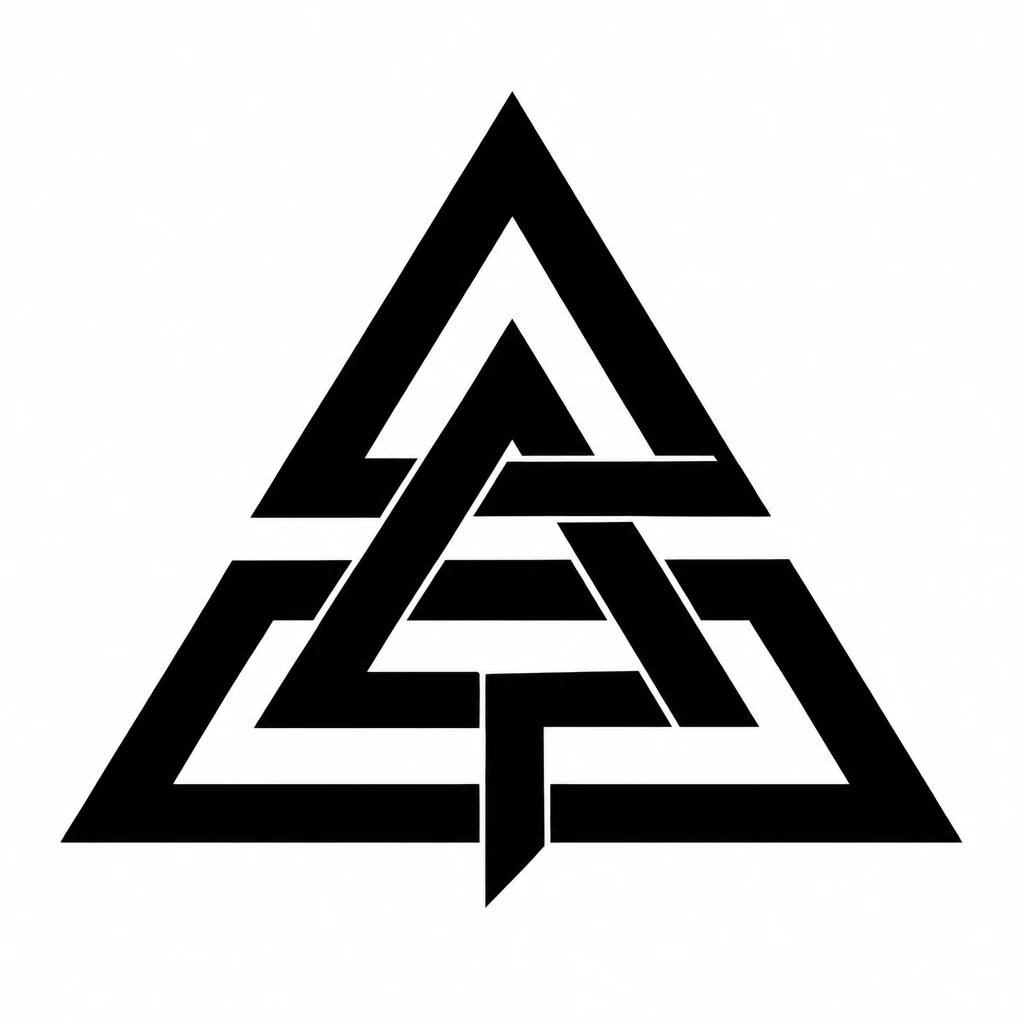 Valknut
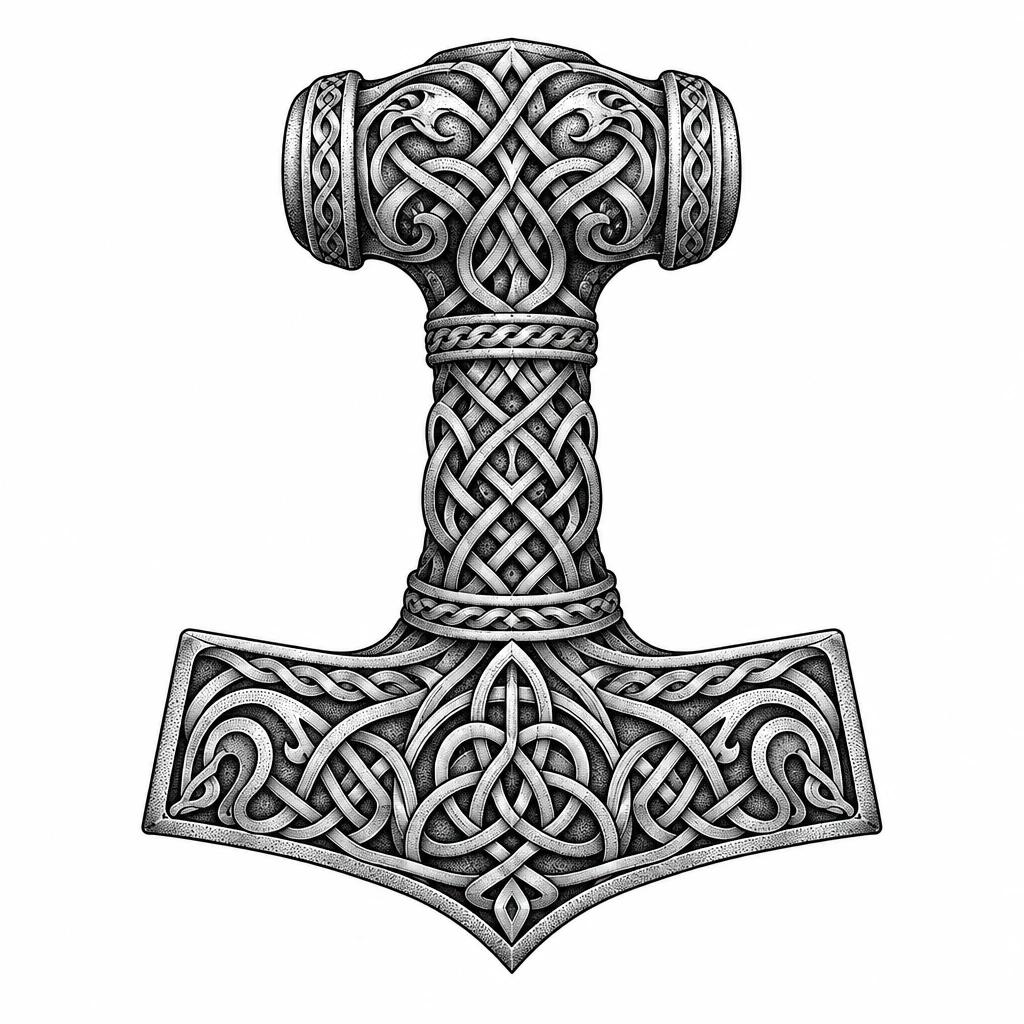 Mjolnir
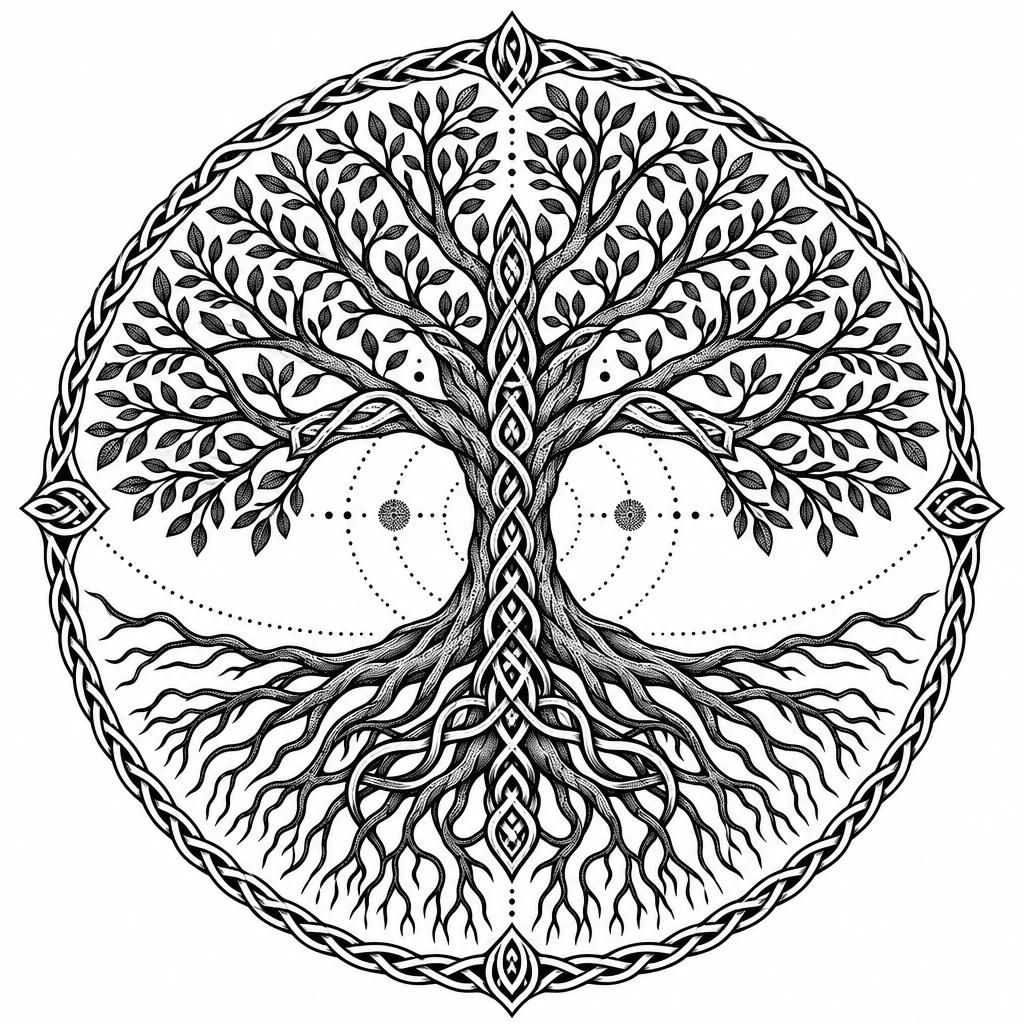 Yggdrasil
Designs generated with TryTattoo.
The Viking tattoo, a language of symbols
What draws people to the Norse universe is that it never settles for pure aesthetics: every motif carries an idea. Strength is not brute force there, it is tied to courage in the face of adversity. Protection comes through concrete talismans, worn every day. Destiny holds a central place: in Norse mythology even the gods know their foretold end, and greatness lies in facing it anyway.
Many also choose a Viking tattoo to honor their roots or the memory of their ancestors, real or symbolic: a reminder of where you come from and of what built you. To explore other symbolic worlds, see our guide to [tattoo meanings](/guide/tattoo-meanings).
The great Norse symbols and their meaning
Here are the most tattooed motifs of the Viking universe, with their meaning:
- Valknut: three interlocked triangles, tied to Odin and the fate of warriors fallen in battle. A symbol of accepting one's destiny
- Mjölnir: Thor's hammer, worn as an amulet in the Viking age. Protection against chaos, strength and blessing
- Yggdrasil: the world tree that connects the nine worlds of Norse cosmology. A link between worlds, roots, the interconnection of all things
- Runes: the ancient alphabet (futhark), each rune carrying its own meaning. Often tattooed as a word, a name or a single rune. Double-check the translation before you ink it
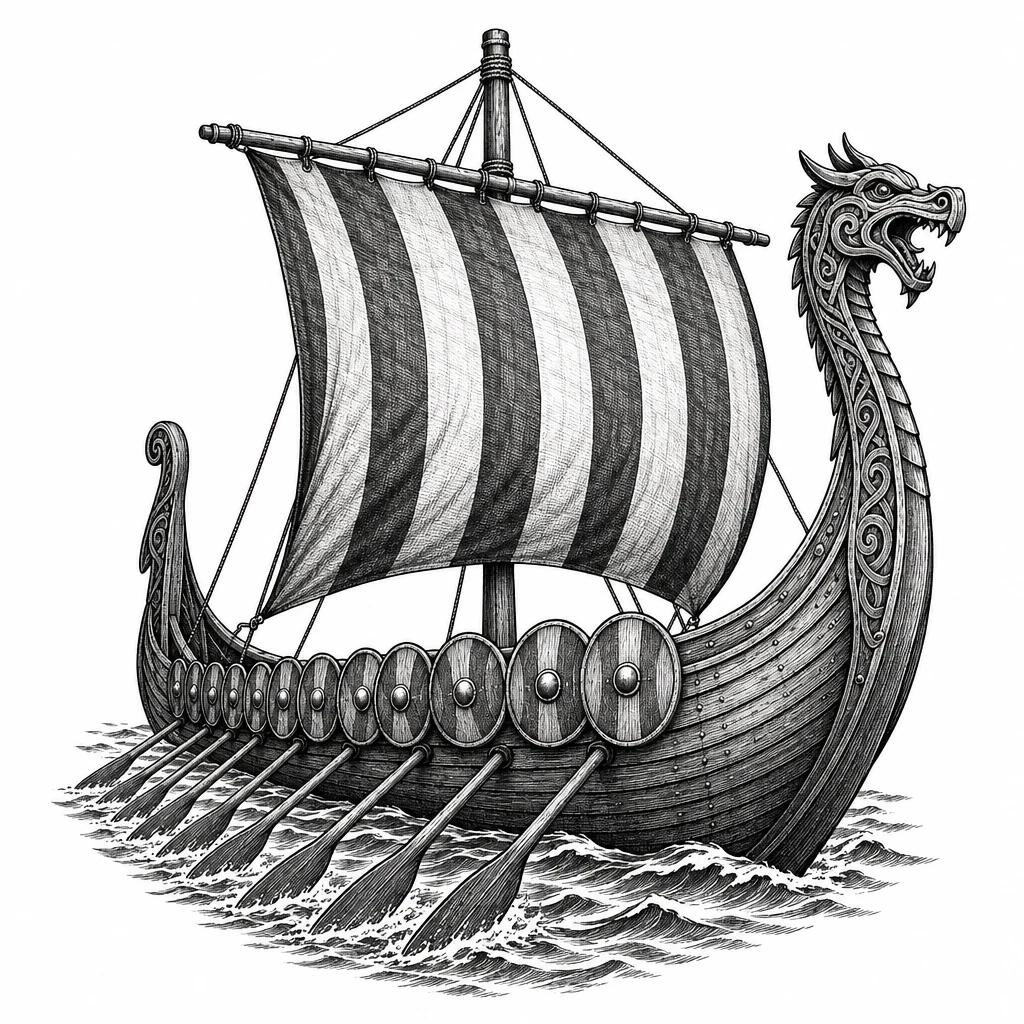
- Longship (drakkar): the Viking ship, a symbol of voyage, boldness and the conquest of the unknown
- Hugin and Munin: Odin's two ravens, thought and memory, who fly across the world and report back what they see
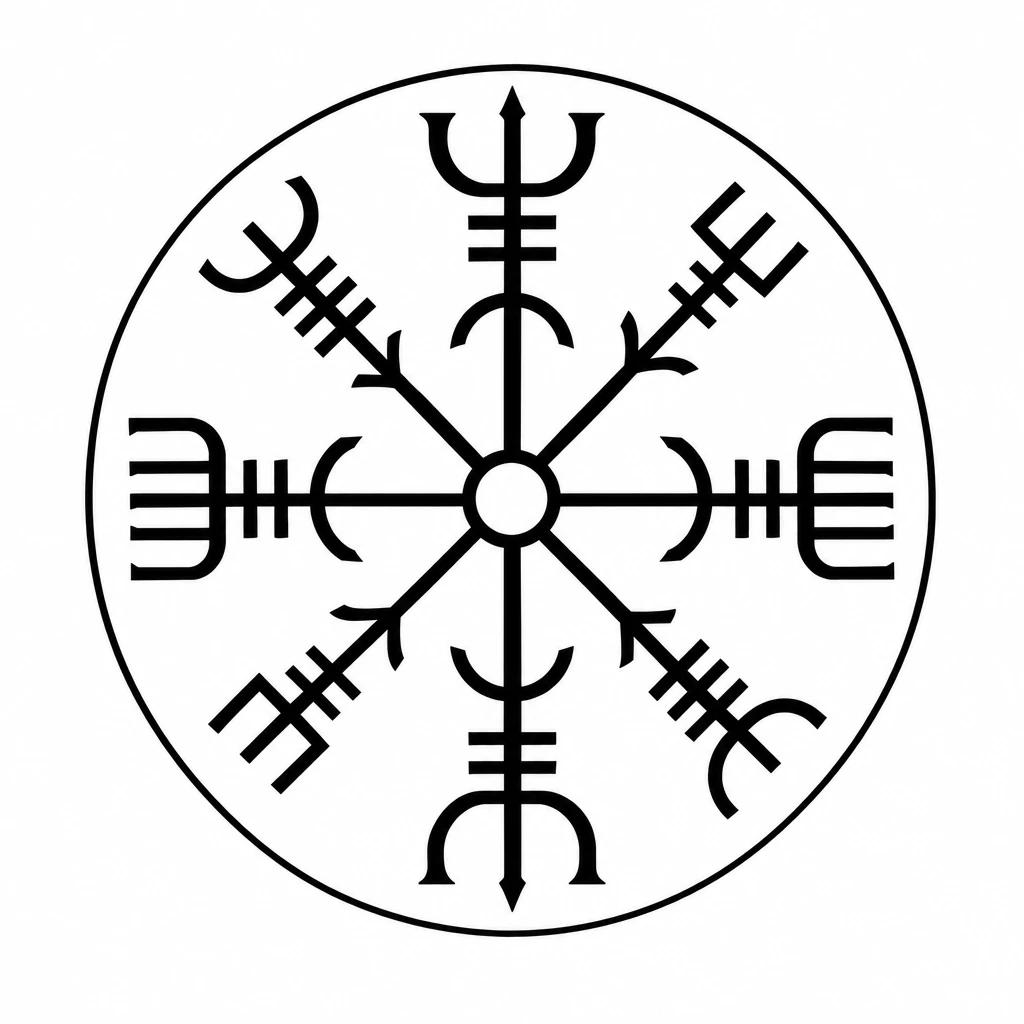
- Vegvisir: the "compass" said to guide you through the storm. Be aware: it is mostly attested in late Icelandic manuscripts, well after the Viking age. A beautiful symbol of guidance, but not an authentic motif from the period
The longship, the voyage
The ship is the most concrete symbol in the Norse repertoire: boldness, departure, the conquest of the unknown. Shields along the hull and a prow carved as a dragon head.
What we actually know about Viking tattoos
Honestly: the historical sources are thin. The most frequently cited account is that of Ibn Fadlan, a 10th-century Arab traveler who described Rus' merchants (Scandinavians settled along the Volga) covered in dark markings from their fingernails to their necks. But his text does not make it possible to tell permanent tattoos from body paint, and he was describing one specific group, not all of Scandinavia.
No tattooed skin has ever been found on Scandinavian remains from the period, unlike in other ancient cultures. The cautious conclusion: the Vikings may have had tattoos, it is plausible but not proven. Today's "Viking" motifs are therefore mostly modern reinterpretations of authentic symbols (valknut, Mjölnir, runes) drawn from carved stones, amulets and manuscripts. That takes nothing away from their symbolic power, but it is worth knowing.
Viking tattoo styles and placements
The styles that serve the Norse universe best: dotwork and blackwork (perfect for knotwork, runes and geometric motifs like the valknut), realism for ravens, longships and warrior portraits, and ornamental compositions inspired by Scandinavian carvings.
Classic placements: the forearm for a rune or a valknut, the upper arm and shoulder for a half sleeve of knotwork, the back for Yggdrasil or a longship, the chest for a large piece. Norse motifs combine beautifully with each other for a cohesive sleeve.
If ancestral symbols speak to you, also look at the [Maori tattoo](/guide/maori-tattoo-meaning), another tradition with a strong sense of identity, or the [raven](/guide/raven-tattoo-meaning) on its own. And to compare a dotwork valknut with a blackwork Mjölnir, you can [generate and preview](/studio) your ideas on your skin.
The Vegvisir, worth knowing before you wear it
It is one of the most requested symbols, said to guide you through the storm. Worth knowing: it is mostly attested in late Icelandic manuscripts, well after the Viking age. A beautiful symbol of guidance, but not a period motif.
Estimate the price of your Viking tattoo
Size, style, placement, region: get an instant price range for your Viking tattoo. You can also upload a photo for an estimate based on your design.
Real examples
Dotwork valknut (forearm)
Three interlocked triangles in stippled dotwork, compact format. Destiny, the bond with Odin, acceptance of what comes. Understated and powerful.
Blackwork Yggdrasil (back or forearm)
The world tree with interwoven roots and branches, in deep black. A link between worlds, family roots, interconnection.
Hugin and Munin (shoulders or chest)
Odin's two ravens in flight, one on each side. Thought and memory: keeping your eyes open on the world and forgetting nothing.
See your tattoo before the appointment
Dotwork or blackwork: preview your Norse motif with TryTattoo before your appointment.
Create your Viking tattooFrequently asked questions
01Did the Vikings actually have tattoos?
+
Did the Vikings actually have tattoos?
It is **not proven**. The main source is the account of Ibn Fadlan (10th century), who described Volga Scandinavians covered in dark markings, without making it clear whether these were permanent tattoos or body paint. No tattooed Scandinavian skin has ever been found. It is plausible, but today's "Viking" motifs remain modern reinterpretations of authentic symbols.
02What does the valknut mean as a tattoo?
+
What does the valknut mean as a tattoo?
The valknut (three interlocked triangles) appears on carved Scandinavian stones, often in scenes tied to Odin and warriors slain in battle. As a tattoo, it evokes **destiny**, courage in the face of death and the bond with Odin. Many choose it to say they accept their fate, or as a tribute to someone they have lost.
03Is the vegvisir a real Viking symbol?
+
Is the vegvisir a real Viking symbol?
Not really. The vegvisir (the "runic compass") is mostly attested in **late Icelandic manuscripts**, several centuries after the Viking age. Its meaning (never losing your way, even in the storm) remains beautiful as a tattoo, but if historical authenticity matters to you, a Mjölnir or a valknut are far better documented.
04Can a Viking tattoo be misread?
+
Can a Viking tattoo be misread?
Rarely, but it can happen: some Norse symbols have been hijacked by extremist groups. Context is everything: an Yggdrasil or a longship raises no issue, while a valknut or certain runes deserve some research into how they are used today. Do your homework, choose with full awareness, and do not hesitate to talk it through with your tattoo artist.
05Which style should I choose for a Viking tattoo?
+
Which style should I choose for a Viking tattoo?
**Dotwork** and **blackwork** dominate: they match the aesthetic of Scandinavian carvings and amulets, age well and keep the knotwork legible. **Realism** works for ravens, longships and warrior faces. Avoid overly fine detail in small formats: tight knotwork needs room to stay crisp over the years.
06Can I see my Viking tattoo before going to the tattoo artist?
+
Can I see my Viking tattoo before going to the tattoo artist?
Yes. Describe your idea (valknut, Mjölnir, Yggdrasil, runes, style, size, placement) on TryTattoo, generate several versions and [preview them on your skin](/studio). You can compare a minimalist valknut and a knotwork composition in seconds, before anything gets inked.
Go further
More guides and inspiration to feed your project.
Author
The TryTattoo team
The studio behind the AI tattoo generator
TryTattoo helps people planning a tattoo project: AI design generation, on-skin preview, price estimation. Our guides rely on public sources, are illustrated with designs created with our own tool, and are reviewed before publishing.
More about TryTattoo →