Tattoo Guide/tattoo pain
Tattoo pain: where does it hurt the least (and the most)?
It's the question that comes up before every first appointment: "How much does it hurt?" The honest answer: it depends entirely on the spot. A forearm tattoo and a rib tattoo are two different experiences. We're talking 3 out of 10 versus 8 out of 10 on the very same skin.
7 min read · Updated Oct 2026
Unsure about the placement? Generate 4 designs and try them directly on your skin to visualize before the appointment.
Visualize your tattoo on your skinQuick answer
The least painful tattoo spots are the outer forearm, shoulder, calf, and outer thigh (3-4 out of 10 on the pain scale). If you're sensitive, avoid the ribs, sternum, fingers, feet, inner elbow, and armpit for a first tattoo (7-9 out of 10). Thin skin over bone or near major nerves sharply amplifies the sensation. A 1-2 hour session stays manageable for about 90 percent of people.
Key takeaways
- 01Least painful areas: forearm, shoulder, calf, outer thigh (3-4/10)
- 02Most painful areas: ribs, sternum, fingers, feet, inner elbow (7-9/10)
- 03The pain feels like a sliding box-cutter edge, not a needle jab
- 04Past 90 minutes without a break, mental fatigue overtakes the physical pain
- 05Eat and sleep beforehand: a rested body lasts twice as long without discomfort
Four areas, four pain levels
TryTattoo designsHere are four photorealistic tattoos generated by TryTattoo on areas with very different pain levels. Where you place a tattoo matters as much as what it shows for how the session feels.
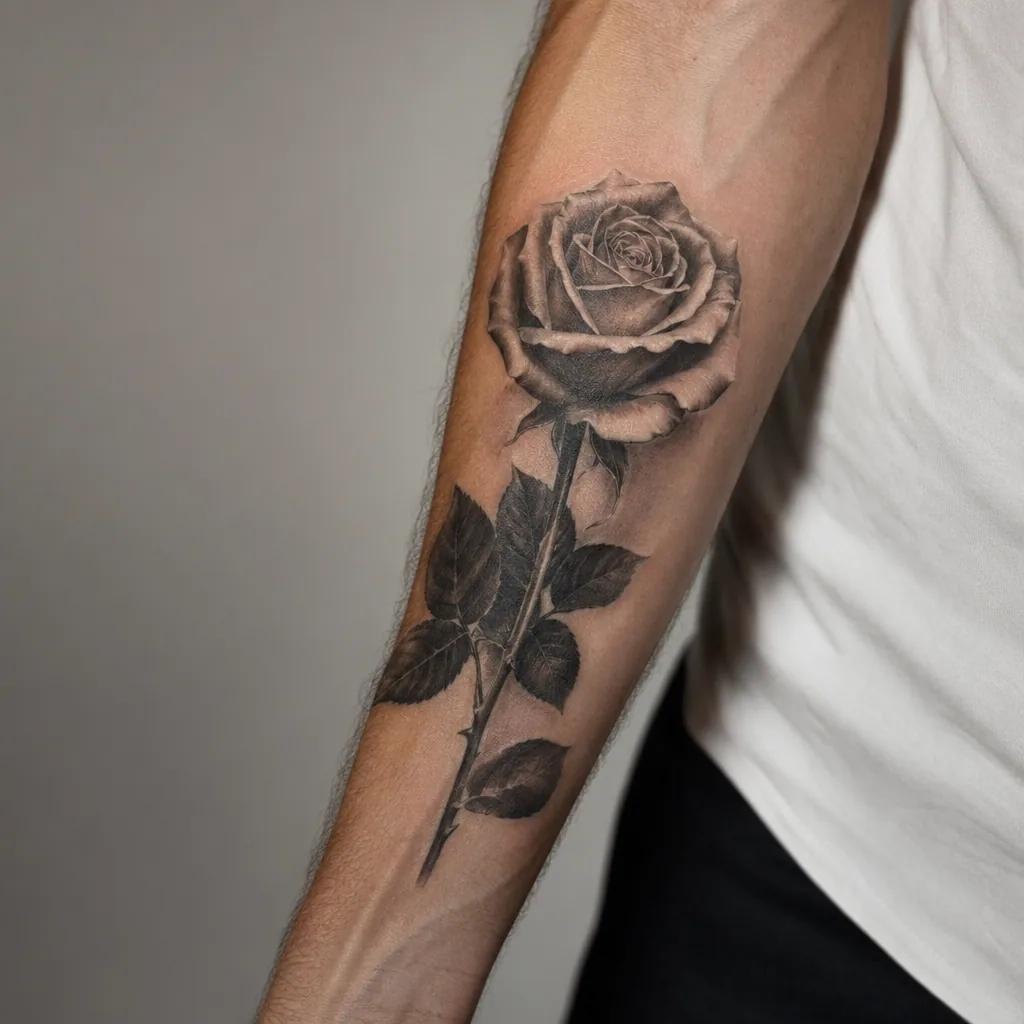 3/10
3/10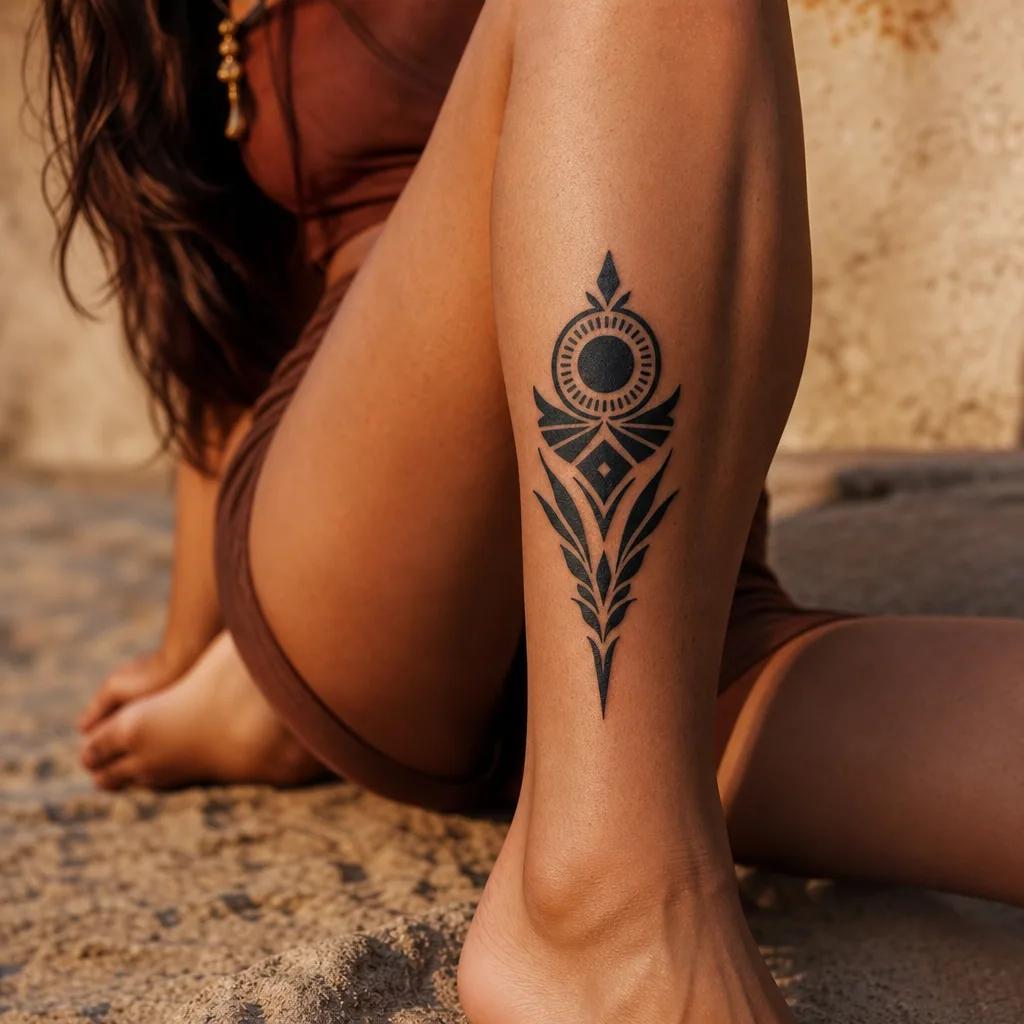 4/10
4/10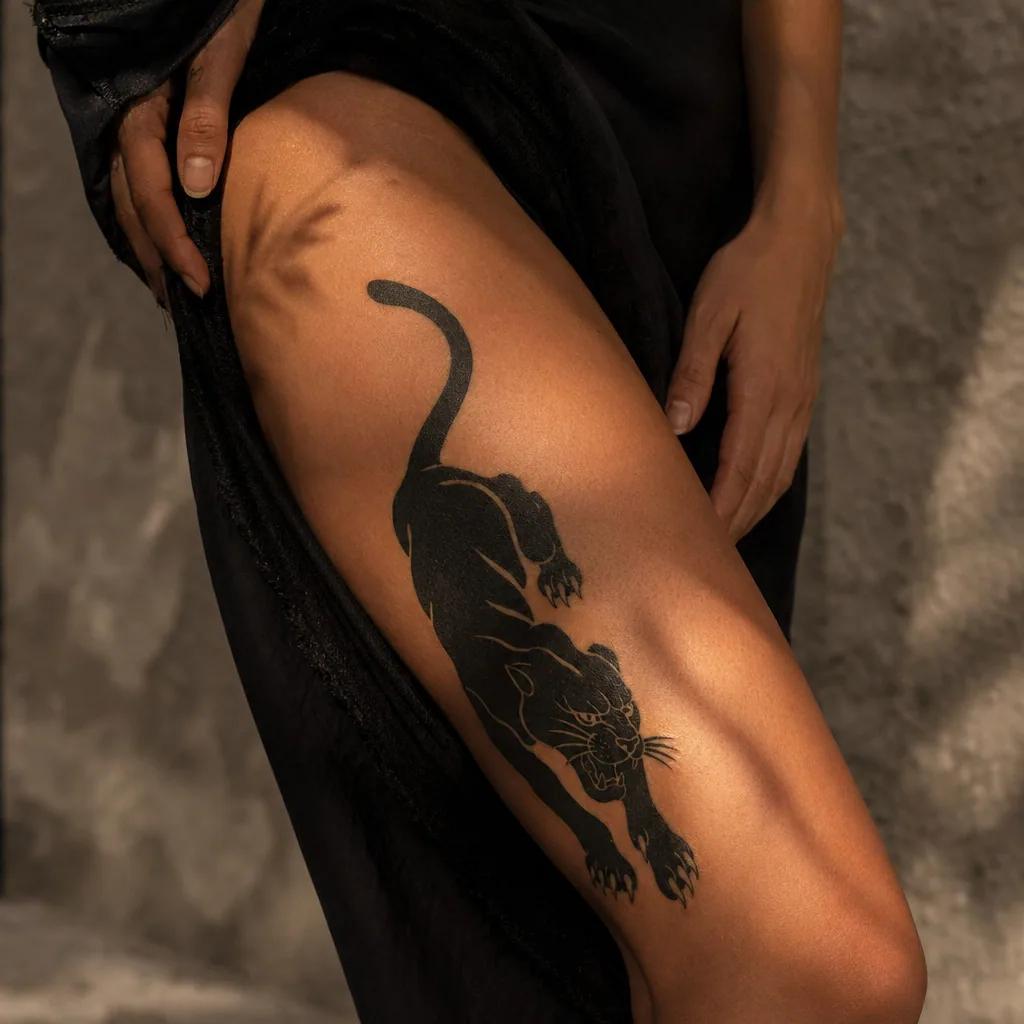 5/10
5/10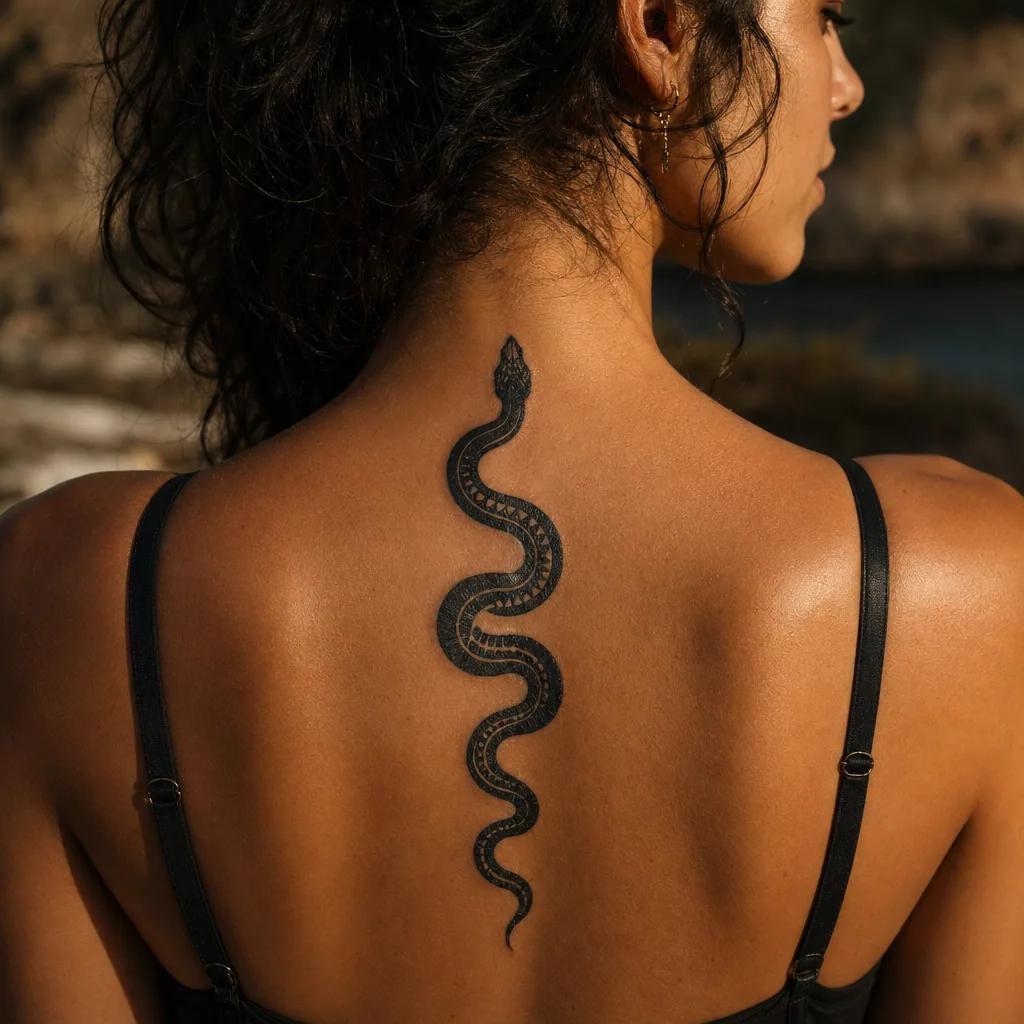 7/10
7/10Designs generated by TryTattoo. Pain scale based on cross-referenced feedback from tattoo artists and clients.
How tattoo pain actually works
A modern tattoo machine punctures the skin 80 to 150 times per second at a depth of about 1 mm, depositing ink in the dermis. The sensation is nothing like a medical injection: it's closer to a warm box-cutter edge sliding slowly across your skin, with a vibrating quality that varies by needle type (liner feels sharp, shader feels like burning).
The sensation is continuous during the session, but your brain adapts. After 20-30 minutes, the initial discomfort fades thanks to a cocktail of endorphins and neural adaptation. That's why the first half hour is usually the hardest part, not the end of the session, contrary to what people imagine.
Three main factors modulate the sensation: skin thickness (thin skin hurts more), proximity to bone (stronger impact and vibration), and nerve ending density (hands, feet, and intimate areas are packed with them).
Body map: where it hurts the most
Here is the typical hierarchy of areas, based on cross-referenced feedback from artists and clients. Note: this is an average. Individual sensitivity shifts the scale by plus or minus 2 points.
- Very low pain (2-4/10): outer forearm, top of the shoulder, outer upper arm, calf, outer thigh, muscular parts of the back. Ideal for a first tattoo or a long session.
- Moderate pain (5-6/10): inner forearm, wrist, lower back, inner thigh, shoulder blade. Manageable, but takes a bit more focus.
- Painful (7/10): nape, side of the neck, armpit, inner elbow, inner knee, hips. Areas where the skin is thinner or major nerves run close.
- Very painful (8/10): ribs, sternum, stomach, top of the foot, inner ankle. Bone close to the surface plus thin skin equals maximum effect.
- Extremely painful (9/10): fingers, back of the hands, temples, behind the ear, back of the knee, groin. Extremely rich in nerve endings and bony structures.
If you're choosing a placement and pain is a factor, aim for the first group, especially for a first tattoo.
Why some areas hurt far more than others
Three anatomical factors explain the huge gap between a forearm (3/10) and the ribs (8/10):
1. Skin thickness. The thinner the skin, the closer the nerve endings sit to the surface. Eyelids and genitals have the thinnest skin; the upper back and glutes have the thickest. Logically: thin skin means amplified pain at equal pressure.
2. Proximity to bone. When the needle works directly over bone (sternum, ribs, shin, skull, top of the foot), the machine's vibration transmits straight into the bone, creating a dull, deep ache on top of the surface sting. That's why the ribs are notoriously rough: thin skin with bone right underneath.
3. Nerve density. Some areas have an unusually high concentration of nerve endings because they serve fine sensory functions (touch, balance). Fingers, feet, the inner elbow (where the ulnar nerve runs), and the groin all qualify. Tattooing these areas means continuously stimulating nerves built for precision. The result: an intense sensation, and sometimes referred pain at a distance (tingling in the hand during an elbow tattoo).
How to reduce the pain during your session
You can't switch the pain off, but you can clearly dial it down. The 5 levers that actually work, ranked by impact:
- 01Sleep 7-8 hours the night before. A tired body has a pain threshold 30-40 percent lower. It's the number one lever, it's free, and half of all clients ignore it.
- 02Eat a real meal 1-2 hours before. Low blood sugar mid-session triggers shaking, nausea, and amplified pain. Slow carbs plus protein (pasta, rice, meat, eggs). Avoid fast sugars that crash.
- 03Hydrate. Drink about 1.5 liters of water on the morning of the session. Well-hydrated skin takes ink better, which reduces the number of passes needed over the same spot.
- 04Distract your brain. Music in your headphones, a podcast, conversation, a movie on your phone. The brain cannot fully focus on two things at once: engage your attention elsewhere and the perceived pain drops by 20-30 percent.
- 05Ask for breaks every 30-45 minutes. Not for the immediate pain but to prevent nervous exhaustion. A 5-minute break lets your brain reset its tolerance.
Alcohol and blood-thinning painkillers (aspirin, ibuprofen) are off-limits for 24 hours beforehand: they thin the blood and complicate the artist's work, so they have to slow down, the session runs longer, and you suffer more.
Women vs men: who really feels more pain?
Neurological studies show that women have a slightly lower pain threshold than men on average, but the difference is marginal (5-10 percent). In practice, what really changes the experience is:
- The hormonal cycle: pain is more intense in the 2-3 days before a period (estrogen drop). If you can choose, schedule your session mid-cycle. - Tattoo experience: a client with 5 tattoos tolerates the pain far better than a beginner. That's pure adaptation, not gender. - Mental state: high anxiety amplifies pain. People who arrive stressed always feel more than those who arrive relaxed, regardless of sex.
In short: biological sex matters far less than your preparation and your experience.
Three pain levels, three placement profiles
To help you choose, here is an honest comparison of the three broad categories of areas with their pros and cons.
Easy areas (3-4/10)
Pros
- Ideal for a first tattoo
- Allow long sessions (3+ hours) without breaking down
- Age well (thick skin, fewer creases)
- Good visibility if you want to show it off (forearm, calf)
Cons
- If you need to hide it at work, some (like the forearm) are visible
- Less of an anatomical "wow" effect than a back piece or a sleeve
Moderate areas (5-6/10)
Pros
- More placement options (wrist, back, shoulder blade)
- Allow larger or ornamental compositions
- Still manageable for most people
Cons
- Demand a bit more mental stamina past the 2-hour mark
- The wrist is visible and ages less well with sun exposure
Hard areas (7-9/10)
Pros
- Spectacular placements (ribs, sternum, fingers)
- A badge of grit you carry afterwards
- Often the most expressive zones for large pieces
Cons
- Sessions capped at 1-2 hours maximum (impossible to endure longer)
- Often cost more (artists charge extra for the difficulty)
- More touch-ups needed (ink takes less well on thin skin)
- Not recommended for a first tattoo
Real examples
Realistic rose on the forearm
One of the least painful areas (3/10). Thick, muscular skin with no bone directly underneath. Ideal for a 2-3 hour session without suffering.
Pain 3/10
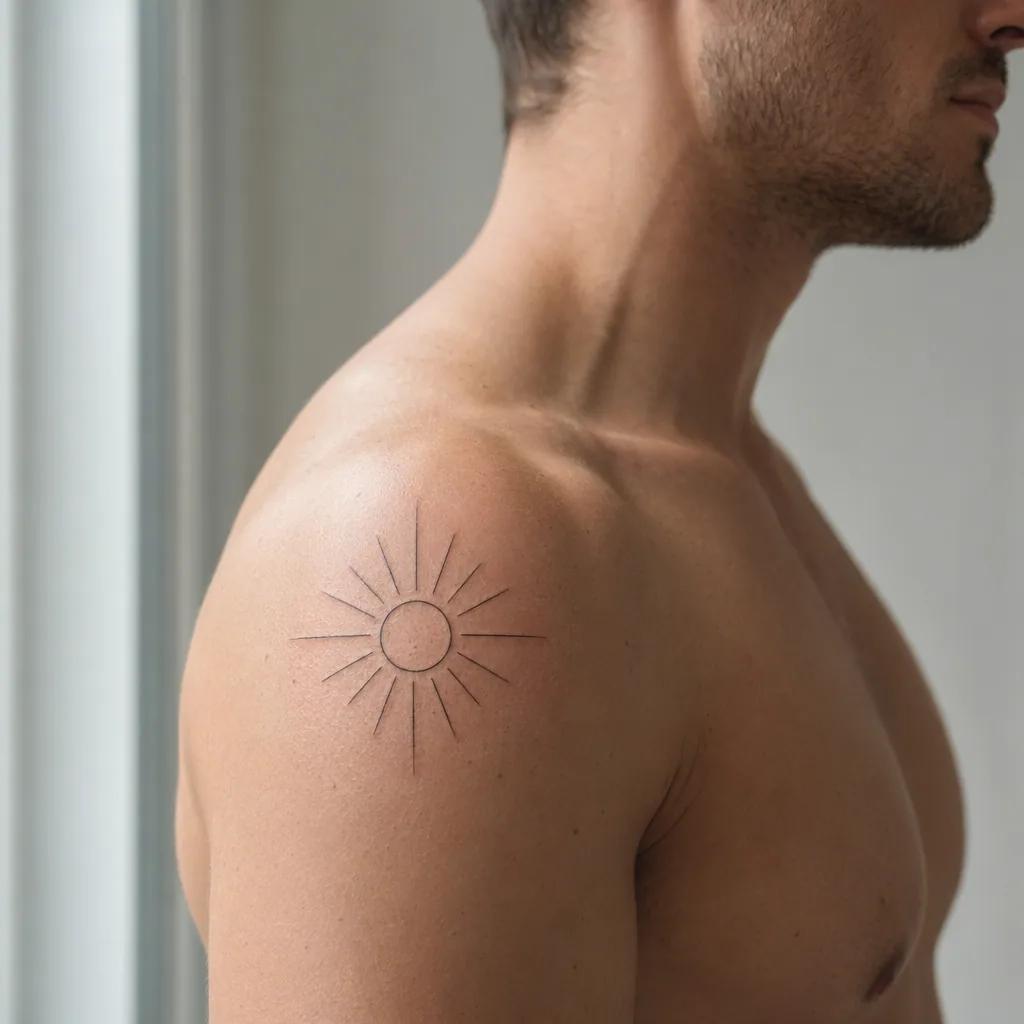
Fine-line sun on the shoulder
Outer shoulder, very low pain (3/10). A calm area with little bone, perfect for a subtle first tattoo.
Pain 3/10
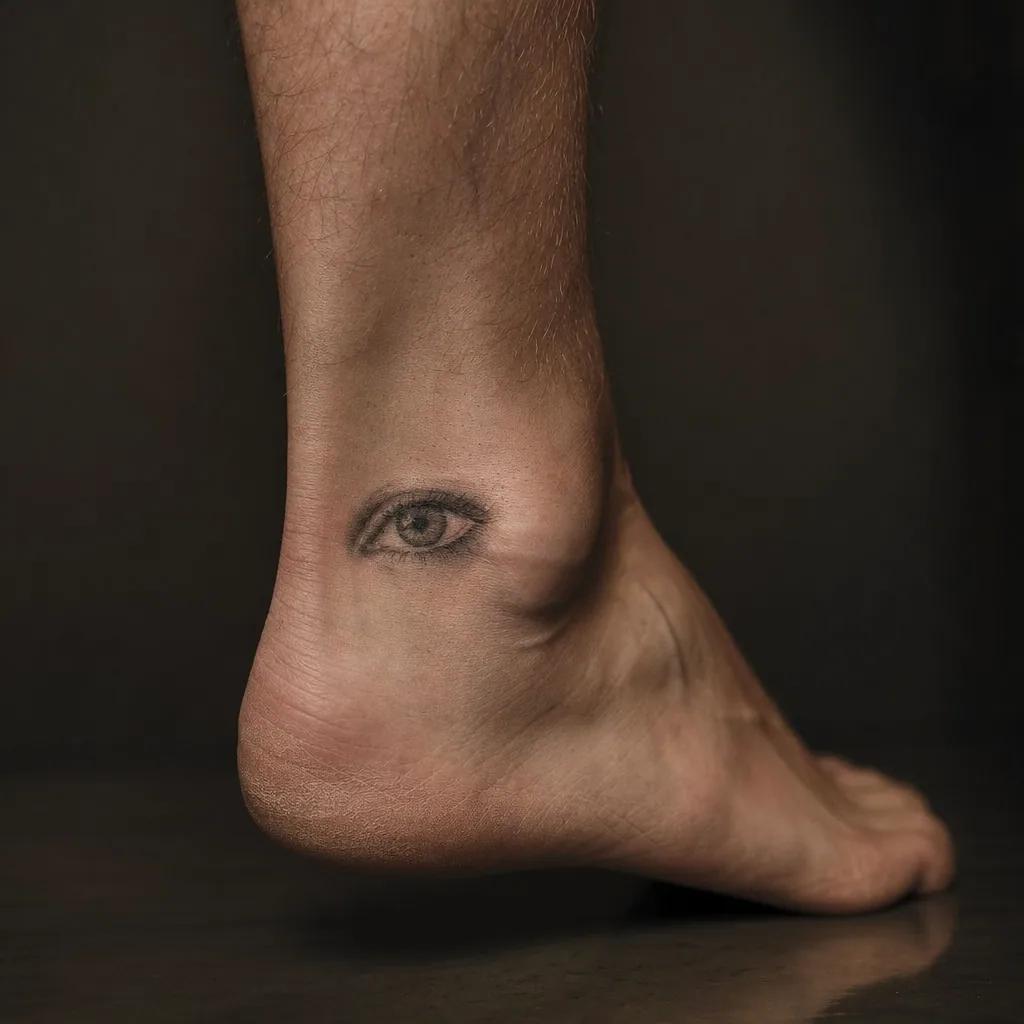
Minimalist eye on the ankle
A tough area (6-7/10): thin skin over the ankle bone. Strong vibrating sensation, but the mini format (2 cm) limits the ordeal to 20 minutes.
Pain 6/10
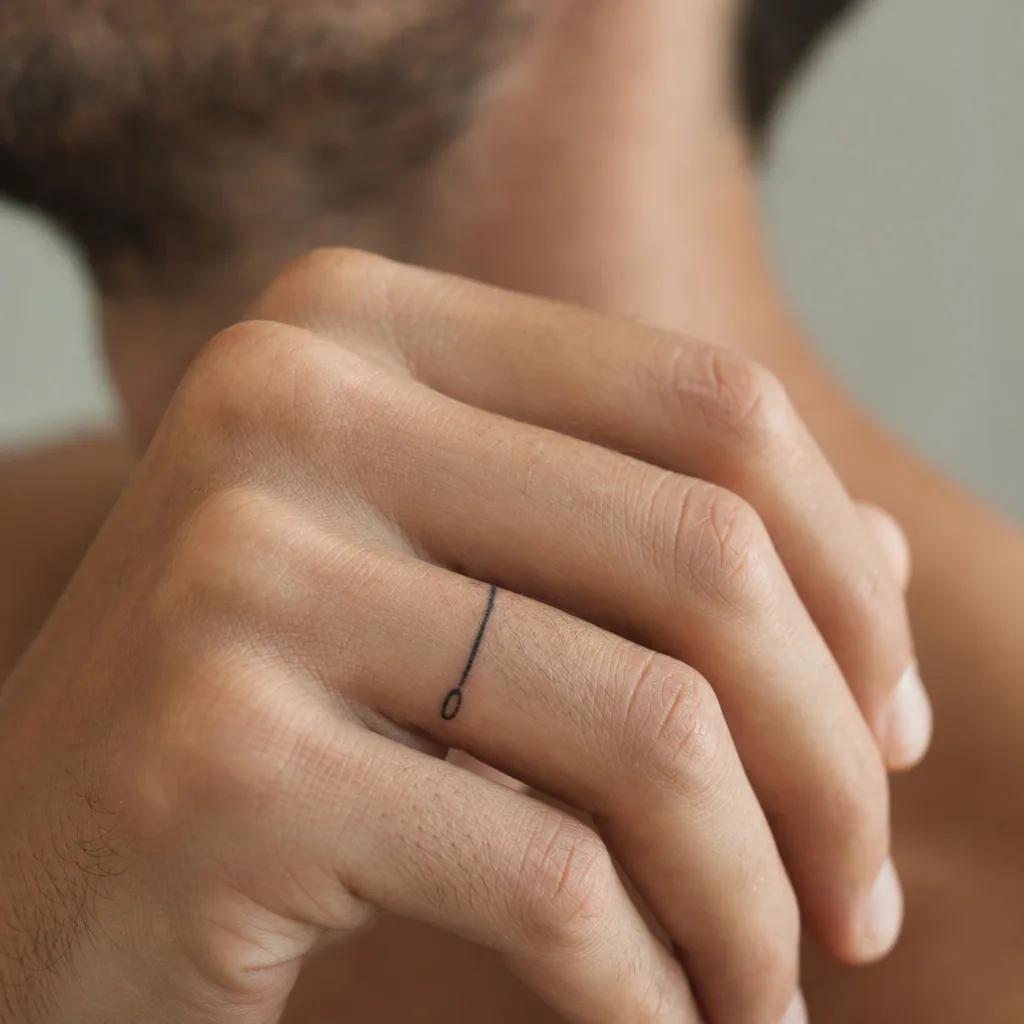
Fine-line ring on the finger
One of the most painful areas (8/10). Bone directly under the skin, dense nerve endings. A short session (15-20 minutes) but an intense one.
Pain 8/10
See your tattoo before the appointment
By previewing the result, you can fine-tune the size and placement to shrink the tattooed area, and with it the duration and the pain.
Visualize your tattoo on your skinFrequently asked questions
01Can you get local anesthesia at the tattoo studio?
+
Can you get local anesthesia at the tattoo studio?
Very few tattoo artists offer true local anesthesia (by injection), since that's a medical act reserved for doctors. However, some specialized studios (often for rib or sternum pieces) work with a licensed nurse who applies a surface anesthetic at the start of the session. Expect a 50-150 euro surcharge. Ask in advance: most artists will tell you the pain is part of the experience and decline.
02Should you fast before a tattoo?
+
Should you fast before a tattoo?
Absolutely not. A full meal 1-2 hours before the session is essential to avoid low blood sugar mid-tattoo (which shows up as cold sweats, shaking, and massively amplified pain). Go for slow carbs and protein: pasta, rice, meat, eggs. Also bring a sweet snack for the breaks if the session runs past 2 hours. Fasting is a bad idea for 100 percent of people.
03Can you take painkillers like acetaminophen or ibuprofen beforehand?
+
Can you take painkillers like acetaminophen or ibuprofen beforehand?
**Acetaminophen (paracetamol, e.g. Tylenol) is fine** because it doesn't affect clotting. On the other hand, **aspirin and ibuprofen (Advil, Nurofen) are off-limits for 48 hours before**: they thin the blood, make the ink bleed, and increase bleeding during the session. If you want something to take the edge off, 1 g of acetaminophen 30 minutes before the session can help slightly, but the effect is marginal compared to preparation (sleep, food, hydration).
04Tattoos and periods: does it really hurt more?
+
Tattoos and periods: does it really hurt more?
Yes, noticeably. The 2-3 days before a period (estrogen drop) and the first day of bleeding coincide with a lowered pain threshold. Many artists advise against booking then, not on principle, but because the experience is distinctly harder. If you can shift your session by a week, aim for mid-cycle (days 12-16) when pain tolerance peaks. There is no health risk otherwise, it's purely a comfort question.
05How long until the pain eases off during the session?
+
How long until the pain eases off during the session?
The **first 20-30 minutes are the hardest** for most people. Past that threshold, the brain releases endorphins and adapts to the pain signal. The sensation remains but becomes manageable. After 90 minutes without a break, the opposite happens: mental fatigue and nervous exhaustion push the perceived pain back up. That's why good artists enforce regular breaks.
06What should I do if I feel like I might faint during the session?
+
What should I do if I feel like I might faint during the session?
Tell the artist immediately. A vasovagal episode during a tattoo is common (5-10 percent of first tattoos) and has nothing to do with mental toughness, it's a physiological reflex. Warning signs: blurry vision, cold sweats, ringing ears, nausea. The artist will stop, lay you down with your legs raised, and give you a sweet snack. You'll resume 10-15 minutes later without a problem. Nothing to be ashamed of.
Go further
More guides and inspiration to feed your project.
Sources
- Internal TryTattoo survey on pain perception by body area (n=240 clients, 2026)
- Neurological studies on cutaneous nerve ending density (Pain journal, 2024)
Author
The TryTattoo team
The studio behind the AI tattoo generator
TryTattoo helps people planning a tattoo project: AI design generation, on-skin preview, price estimation. Our guides rely on public sources, are illustrated with designs created with our own tool, and are reviewed before publishing.
More about TryTattoo →