Tattoo Guide/tattoo cost
How much does a tattoo cost in 2026?
It's THE question before any first appointment: should you budget 80 euros or 800? The range is wide because the price comes down to 5 specific factors we're going to break down, and no artist will spontaneously walk you through them.
8 min read · Updated Oct 2026
You can preview your tattoo on your own skin before the appointment: useful for validating size and placement before you pay.
Generate your design for freeQuick answer
In most European studios, a tattoo costs 60-300 euros for a small piece (5-10 cm), 250-600 euros for a medium design (15-20 cm), and 800-3,500 euros or more for a large piece like a sleeve or partial back. The price depends on size, style, studio, and working time. Most professional artists charge 80-150 euros per hour, and rates run 20-30 percent higher in big cities.
Key takeaways
- 01Small tattoo (5-10 cm): expect 60-300 euros depending on studio and style
- 02Medium piece (15-20 cm): 250-600 euros
- 03Large piece (sleeve, back): 800-3,500 euros and up
- 04Typical hourly rate: 80-150 euros (180-250 euros for sought-after artists)
- 05Expect 20-30 percent more in major cities, and 30-50 percent more for well-known names
Four real-world price examples
TryTattoo designsTo give you a concrete picture, here are four photorealistic tattoos generated by TryTattoo at different budget levels. Each one illustrates a representative size, style, and placement, with its realistic price range.
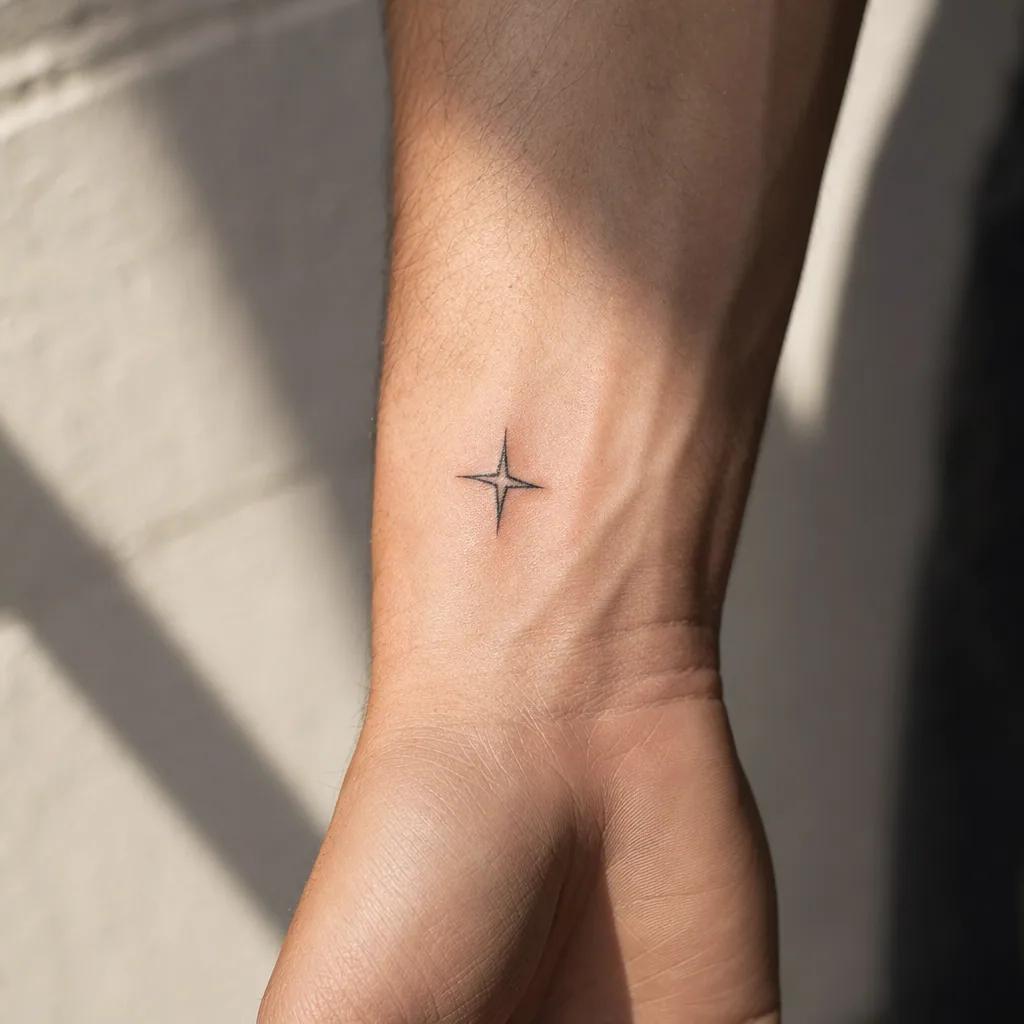 €60-100
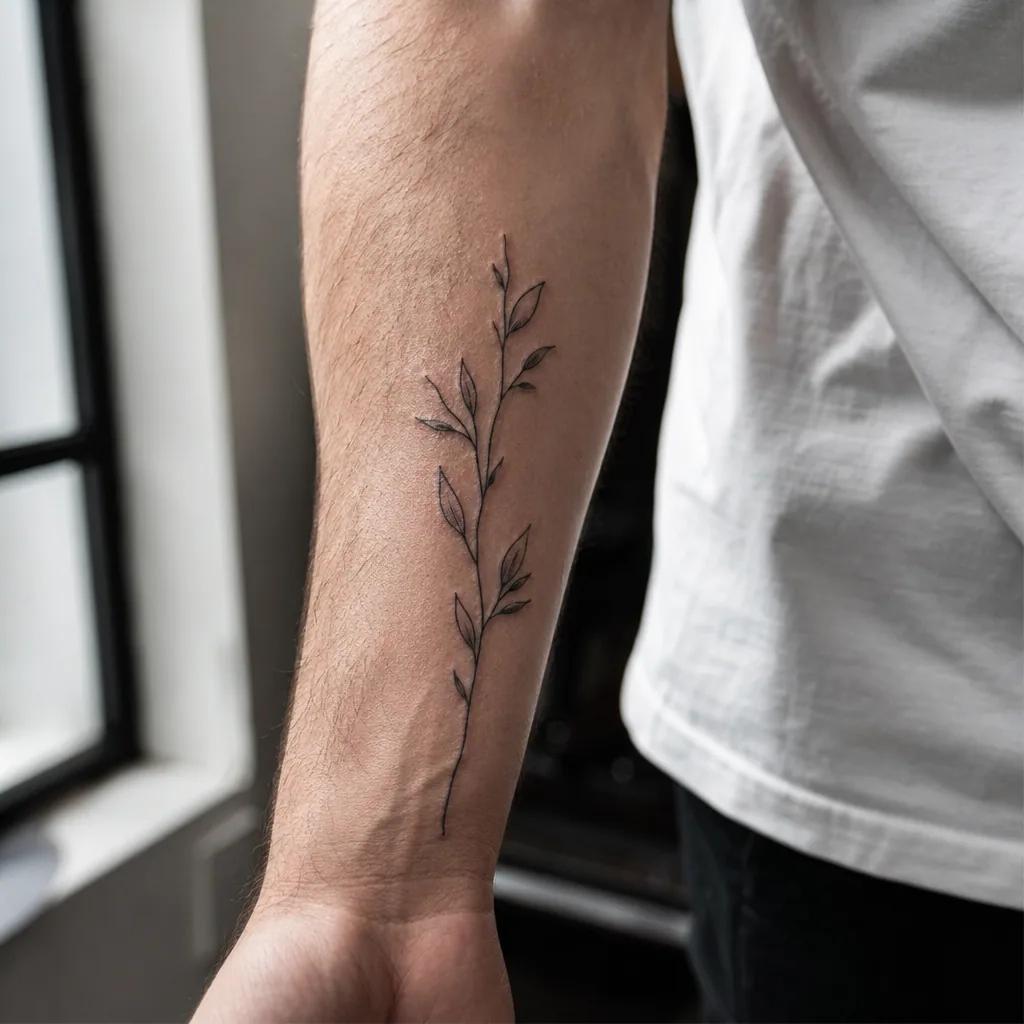 €180-280
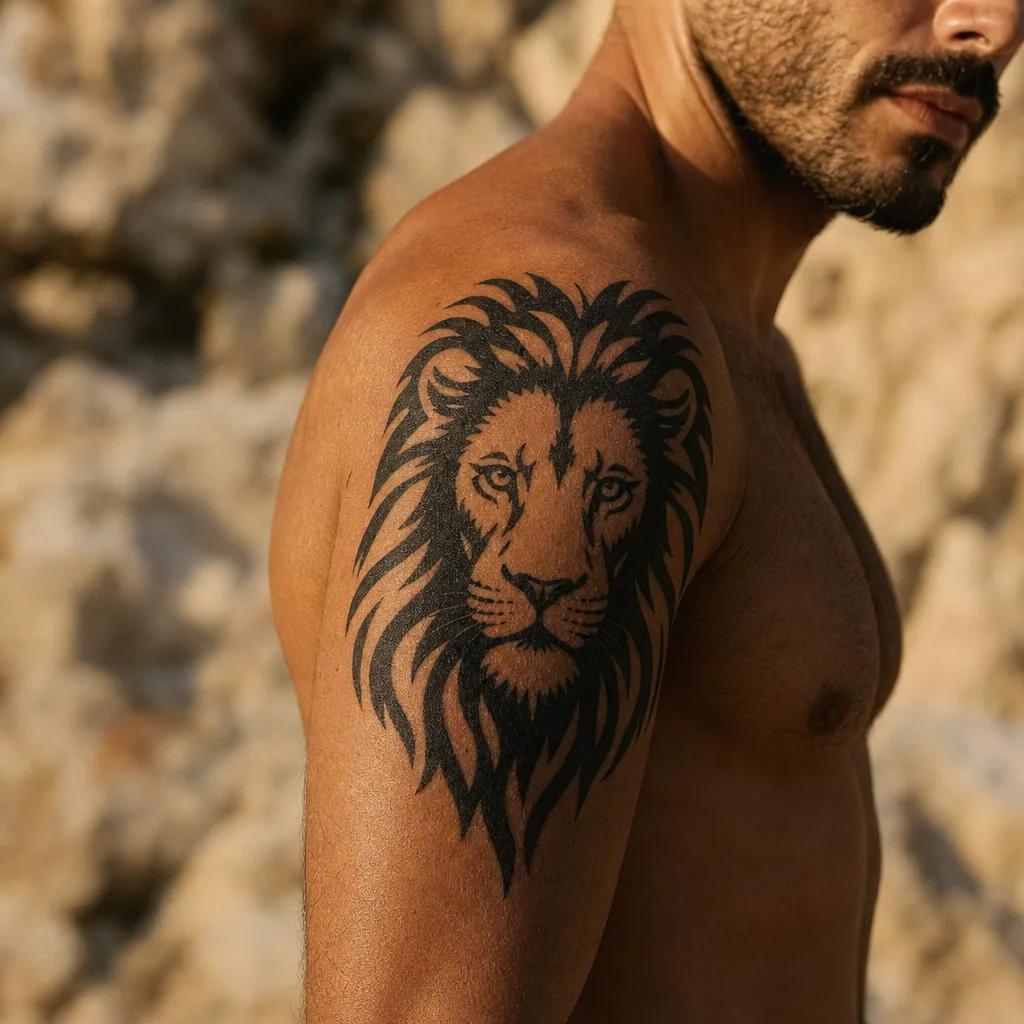 €350-650
 €2,500-5,000
Designs generated by TryTattoo. Price ranges observed in European studios in 2026.
The 5 factors that determine the price of your tattoo
Before we get into price ranges, understand what moves the number. The exact same design can cost three times more depending on these variables:
1. Size in square centimeters: the number one factor. Most studios have a shop minimum (often 60-100 euros) to cover setup and supplies, even for a tiny design. Beyond that, price scales with working time.
2. Style: dotwork or black and gray realism take 2-3 times more hours than a simple fine-line or old-school piece. A detail-heavy style mechanically costs more.
3. Color: every added color means a needle change plus extra time. Expect 30-50 percent more than black and gray for the same surface.
4. Placement: sensitive or technical areas (ribs, hands, fingers, inner arm) often carry a surcharge because they demand more patience and more client breaks.
5. The artist's reputation: an artist with a long waiting list charges 200-300 euros per hour. A talented newcomer early in their career: 60-90 euros per hour. Same work, triple the price.
How tattoo artists calculate their price: 2 methods
You'll run into these two billing models, sometimes mixed. Know which one applies before you commit:
- 01Flat rate: the artist quotes a fixed price after seeing your project (size, style, complexity). This is the dominant model for pieces under 4 hours. Great for budgeting, but the effective hourly rate can be high.
- 02Hourly rate: standard for big pieces (over 4 hours) and multi-session projects. The typical reference rate in most European studios sits between 80 and 150 euros per hour. Well-known artists in major cities: 180-250 euros per hour. Upside: you pay for what you get, but the total is hard to estimate in advance.
Tip: always ask for a written quote before the session to avoid surprises. A serious artist will provide one without blinking.
Big city vs small town: how much does location change the price?
The gap is real but often overstated. Here is the pattern you'll typically see across European studios in 2026:
- Major capitals and big metro areas: average hourly rate of 120-180 euros, up to 300 euros per hour for the most in-demand artists. - Large cities: 100-150 euros per hour, similar to the capitals outside the top studios. - Mid-size cities: 80-120 euros per hour. - Smaller towns: 60-100 euros per hour, sometimes less.
If you're hunting for the best value, look at mid-size cities: the artists there are often excellent (trained in big-city studios before settling down) without the big-city markup.
How much does a tattoo cost by style?
The style you pick directly drives the working time, and therefore the price:
- Fine-line / minimalist: the most affordable. 80-180 euros for a 5-10 cm design, because it's quick to execute. - Old-school / traditional: 120-300 euros for the same size. Solid color fills plus bold outlines take longer than fine-line. - Neo-traditional: 200-450 euros. Details, colors, and shading require at least 2-3 hours.
- Realism (portrait, animal): the most expensive per square centimeter. Expect 250-600 euros for a postcard-size piece, and 1,500-4,000 euros for a large portrait. - Dotwork / mandala: slow to execute (every dot is placed individually). 200-500 euros for a medium design. - Watercolor: 180-400 euros, requires a specialized artist. - Japanese / Irezumi: for big pieces (sleeve, back), expect 2,000-8,000 euros spread over multiple sessions.
Tattoo price by placement
With equal size and style, the body area still moves the bill. Technical or sensitive placements require more working time:
- Forearm, upper arm, calf, thigh: the baseline rate, no surcharge. Stable skin, flat surface, efficient sessions.
- Shoulder, back, chest: standard rate, but large surfaces quickly raise the total (more square centimeters, more hours).
- Wrist, ankle, nape: small zones billed at the shop minimum (60-100 euros), even for a tiny design.
- Ribs, sternum, stomach: frequent 10-20 percent surcharge. Painful area means frequent breaks means a longer session.
- Hands, fingers, neck, head: 20-30 percent surcharge with many artists. Difficult skin, ink that holds poorly, near-systematic touch-ups (sometimes billed).
- Inner arm, elbow crease, back of the knee: possible slight surcharge, thin skin demands an expert hand.
Bottom line: on a tight budget, a forearm or calf gives you the best surface-to-price ratio. Hands and neck are the most expensive areas per square centimeter.
5 legitimate ways to save without cutting corners on quality
If your budget is tight, here are the real options. (Spoiler: NEVER go to a low-cost amateur or "scratcher", saving 100 euros now can mean 1,500 euros of laser removal later.)
- 01Pick a style that fits your budget: an 8 cm fine-line will cost around 100 euros; realism at the same size, 400. Instead of compromising on quality, compromise on complexity.
- 02Look for an early-career artist in a good studio: 2-3 years of experience, trained by an established artist. Rates 30-50 percent lower for equivalent technical quality.
- 03Skip overpriced flash days: flash events at big-name studios draw crowds and prices climb. A regular weekday appointment is often better value.
- 04Choose the right placement: a tattoo on an "easy" area (arm, calf) takes less time than ribs or neck, so it costs less.
- 05Prepare your design in advance: use an AI generator (like TryTattoo) to bring a clear reference. You save the artist 30 minutes of discussion and revisions, which trims the bill.
Price ranges by size and style (2026)
| Size | Fine-line | Old-school | Realism | Dotwork |
|---|---|---|---|---|
| Mini (3-5 cm) | €60-100 | €80-130 | €120-200 | €100-160 |
| Small (5-10 cm) | €80-180 | €120-280 | €200-400 | €180-350 |
| Medium (10-20 cm) | €180-400 | €250-550 | €450-900 | €400-700 |
| Large (20-30 cm) | €400-800 | €500-1,200 | €900-2,000 | €700-1,500 |
| Sleeve / partial back | €1,000-2,500 | €1,500-4,000 | €2,500-6,000 | €2,000-4,500 |
Ranges observed across 30+ studios in 2026. Actual quotes vary by studio, city, and design complexity.
Estimate your tattoo price
Real examples
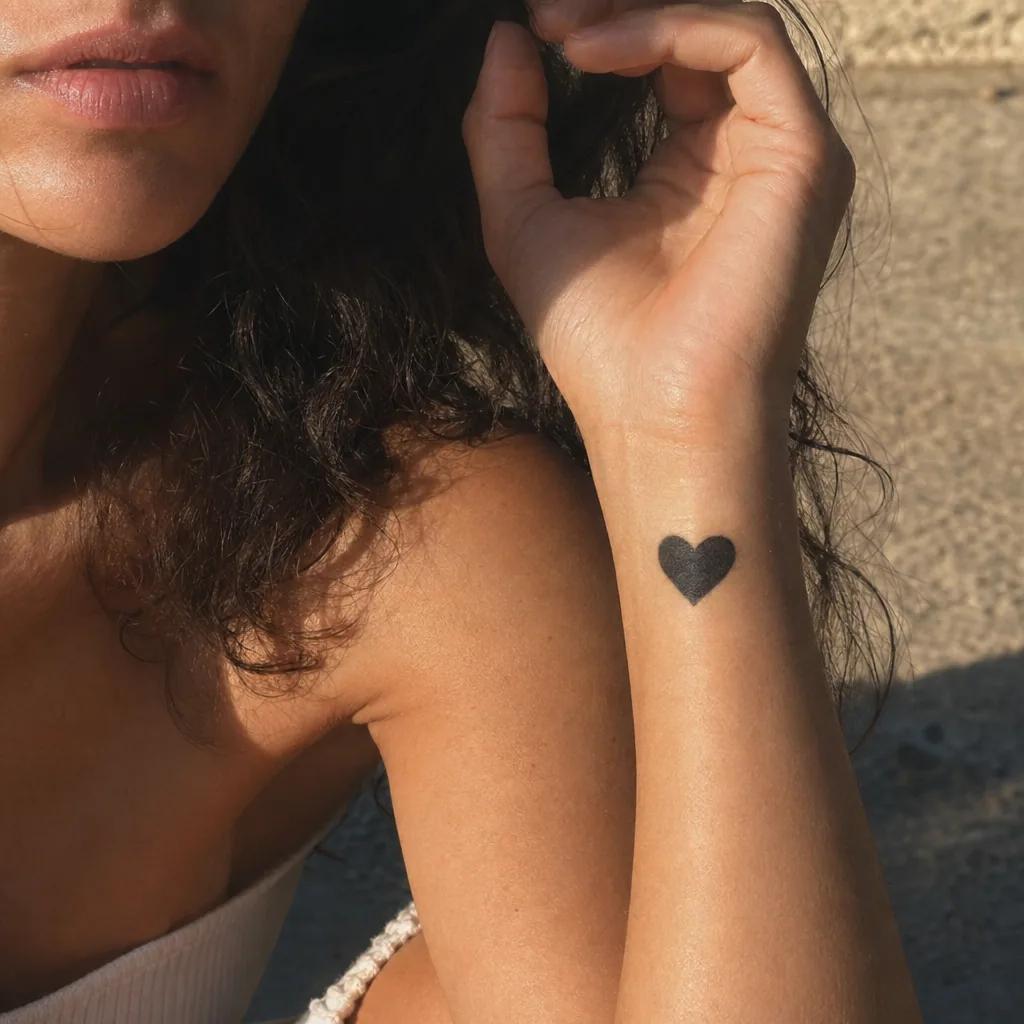
Mini heart on the wrist
Minimalist blackwork, 2 cm, solid black. A short 20-30 minute session, billed at the shop minimum in most studios.
€80-130
Fine-line branch on the forearm
Botanical fine-line, 10-12 cm, black. 1 to 2 hours of work, ideal for a subtle first tattoo.
€180-280
Tribal lion on the shoulder
Tribal-style blackwork, 12-14 cm, solid black with crisp outlines. A 3 to 4 hour session.
€350-650
Full Japanese sleeve
Irezumi composition (characters, ornaments) covering the whole arm. 4 to 6 sessions spread over several months, 25-30 hours total.
€2,500-5,000
See your tattoo before the appointment
Many artists appreciate it when you arrive with a clear reference, it cuts down on billed design time.
Generate your design for freeFrequently asked questions
01Why are tattoos so expensive?
+
Why are tattoos so expensive?
A tattoo pays for far more than the time you spend in the chair. You're covering: the artist's training (often 3-5 years of apprenticeship), single-use supplies (needles, certified inks, sterile dressings), studio hygiene (autoclave, ventilation, disinfection), professional insurance, rent, and taxes (self-employed artists hand over a large share of revenue in taxes and overhead). In the end, the artist typically keeps 40-50 percent of the billed price.
02Should you negotiate the price with your tattoo artist?
+
Should you negotiate the price with your tattoo artist?
No, haggling is poorly received in most studios and devalues the work. If the quote exceeds your budget, you have two clean options: (1) talk with the artist about adapting the design (smaller size, fewer colors, simpler style); (2) look for another artist whose hourly rate fits your budget. A good artist will respect that choice without judgment.
03Can you pay for a tattoo in installments?
+
Can you pay for a tattoo in installments?
Very few studios offer installment plans for small pieces. For big projects (over 1,500 euros) it's more common: you pay per session (deposit plus balance at the end). Some studios accept buy-now-pay-later services to spread the cost over 3-4 payments. Ask directly, it's rarely advertised.
04How much does tattoo removal cost if I regret it?
+
How much does tattoo removal cost if I regret it?
This is the strongest argument against bargain tattoos: laser removal costs 80-200 euros per session, and it takes 6 to 12 sessions to remove a black tattoo (more for color). Total: 800-2,400 euros to erase a tattoo that cost 200. The math is simple: better to pay 100 euros more for careful work than to save 100 and risk 2,000 euros of laser.
05How much does a touch-up cost?
+
How much does a touch-up cost?
The touch-up at 4-8 weeks (to refresh spots where the ink settled unevenly during healing) is **free** with most professional artists. It's an industry standard. If a studio charges for it, that's a red flag. Touch-ups beyond 6 months (aging, natural fading) are paid work: expect 30-80 euros for a short session.
06What budget should you plan for a first tattoo?
+
What budget should you plan for a first tattoo?
For a classic first tattoo (small format, fine-line or simple blackwork, forearm or wrist), plan a total envelope of 150 to 250 euros: 80-180 euros for the tattoo itself, 30-50 euros of aftercare, and a margin for a possible touch-up. Below 100 euros all-in, be suspicious of the studio's quality. On the other hand, there's no need to go above 300 euros for a first small piece unless the artist is in very high demand.
07How much does one hour of tattooing cost?
+
How much does one hour of tattooing cost?
The average hourly rate in 2026 sits between 80 and 150 euros in most European studios. Early-career artists charge 60-90 euros per hour, established artists 100-150, and well-known names with waiting lists 180-300, especially in major cities. In one hour, an artist typically completes an 8-12 cm fine-line or a simple 6-8 cm blackwork, not counting stencil preparation.
08Do you have to tip your tattoo artist?
+
Do you have to tip your tattoo artist?
It depends on where you are. In the US, tipping 15-20 percent is standard practice. In most of Europe it's optional but appreciated, especially in urban studios where 10-15 percent has become common for work you loved. For a 1,500 euro piece, that's 150-200 euros. You can also thank the artist in other ways (bring snacks during the session, recommend them, leave a Google review). A tip is never owed, but it's a gesture that gets remembered.
Go further
More guides and inspiration to feed your project.
Sources
- Internal TryTattoo pricing survey, 32 studios (2026)
Author
The TryTattoo team
The studio behind the AI tattoo generator
TryTattoo helps people planning a tattoo project: AI design generation, on-skin preview, price estimation. Our guides rely on public sources, are illustrated with designs created with our own tool, and are reviewed before publishing.
More about TryTattoo →