Tattoo Guide/diabetes and tattoos
Can you get a tattoo if you have diabetes?
Managing diabetes does not mean you have to give up on your ink dreams, but it does require a more calculated approach to safety, placement, and skin health.
3 min read · Updated Oct 2026
Ready to design your medical alert tattoo?
Create your tattoo with AIQuick answer
Yes, getting a tattoo with diabetes is entirely possible in 2026, provided your blood sugar levels are stable. The primary concern is a slower or more difficult healing process. Surface healing typically takes 2 to 4 weeks, while full recovery can take up to 3 months. Consulting your doctor and choosing a strategic placement are essential steps to ensure both your safety and the quality of the final artwork.
Key takeaways
- 01Stable Blood Sugar: A consistent HbA1c level is the number one requirement for proper healing and preventing infections.
- 02Strategic Placement: Avoid areas with poor circulation, such as the feet, ankles, or shins, to minimize complications.
- 03Medical Alert Potential: Tattoos can serve a dual purpose by informing emergency services of your condition.
- 04High Hygiene Standards: Since the risk of infection is higher, choosing a reputable, licensed studio is non-negotiable.
Diabetes Medical Alert Tattoo Designs
TryTattoo designsExplore meaningful designs that combine vital medical information with modern tattoo artistry to keep you safe and stylish.
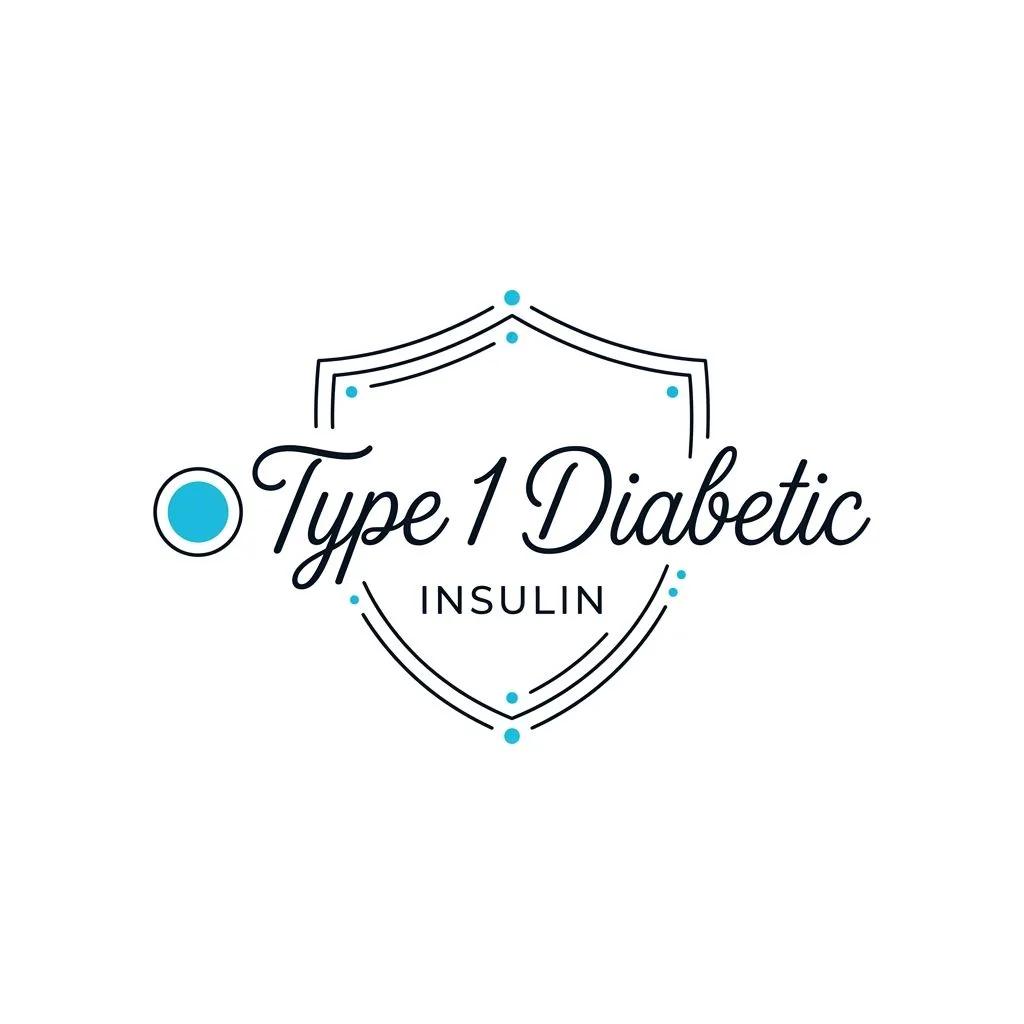 Minimaliste
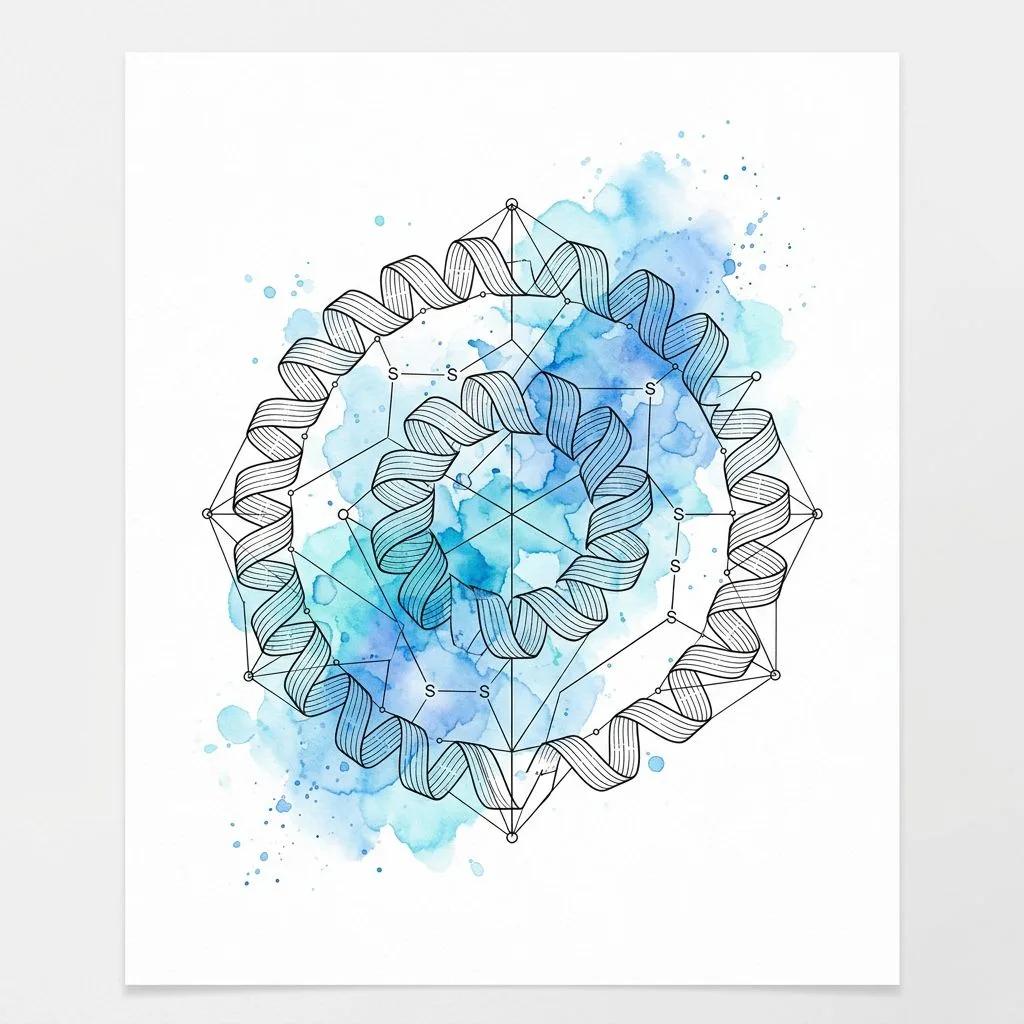 Graphique
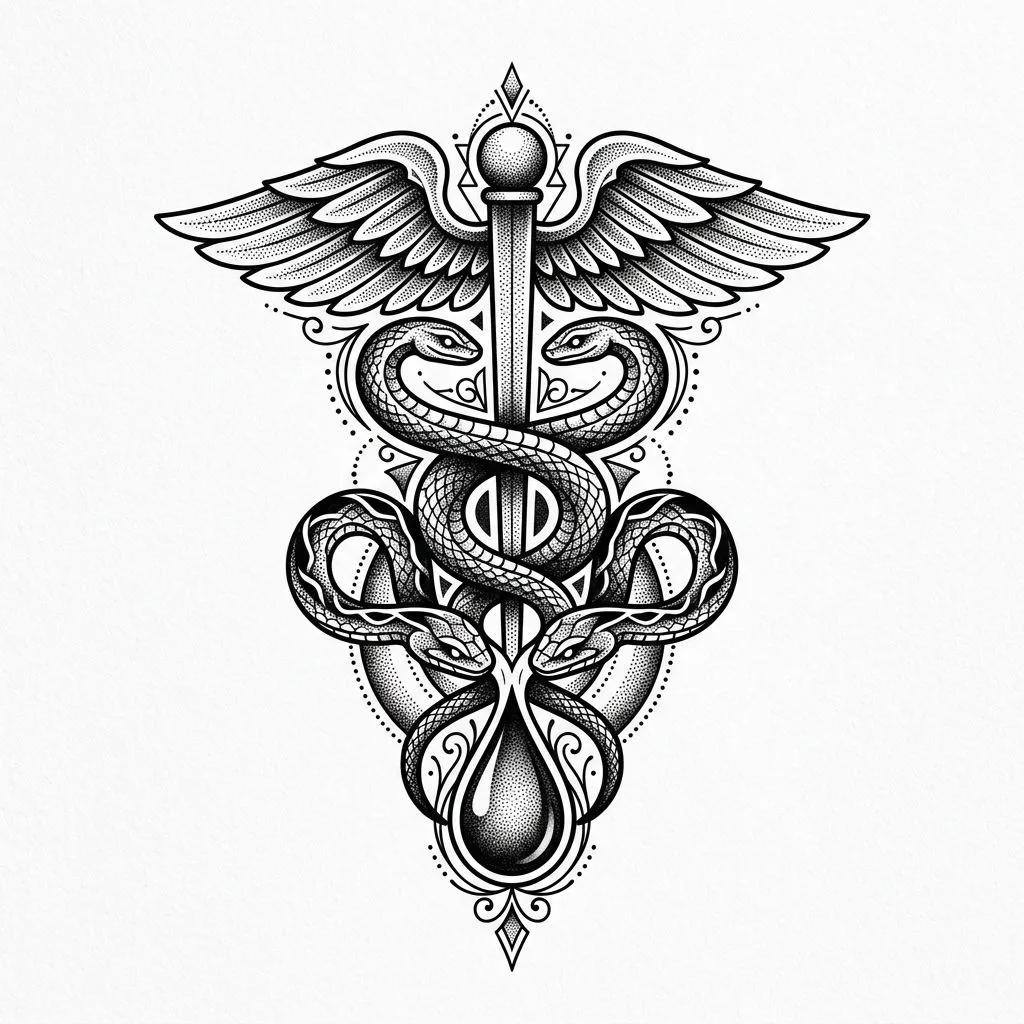 Dotwork
 Floral
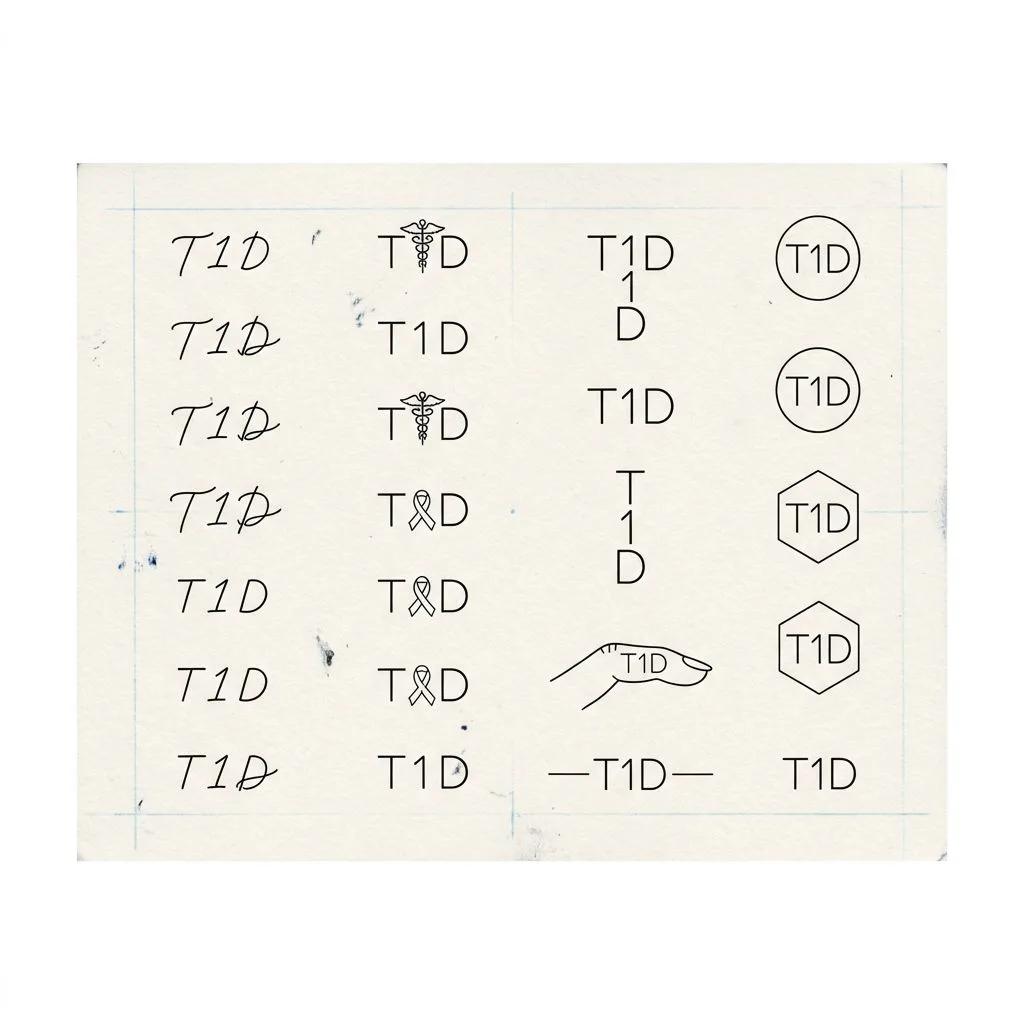 Micro-tatouage
Designs generated with TryTattoo
The Importance of Glucose Balance
Before booking your session, you must ensure your diabetes is well controlled. High blood sugar levels weaken the immune system and significantly slow down tissue regeneration. To minimize the risks associated with your [first tattoo](/guide/first-tattoo) and guarantee a crisp result, discuss your project with your endocrinologist. A professional tattoo artist will always ask about health conditions: be honest so they can adapt the session length and monitor your comfort throughout the process.
Criteria for a Successful Project
To ensure your tattoo heals perfectly without compromising your health, verify these key points:
- A stable HbA1c level maintained for several months.
- No active microvascular complications or severe skin conditions in the target area.
- A placement chosen far away from insulin injection sites or glucose sensor locations.
- Scheduling your appointment for the morning, when blood sugar is typically more stable.
Tattoos as Medical Alerts
Many people now choose tattoos to signal their diabetes to emergency responders. Usually placed on the inside of the wrist, these designs can replace or complement traditional medical bracelets. This type of ink combines practical safety with personal aesthetics. You can explore our [tattoo meanings guide](/guide/tattoo-meanings) to see how to integrate symbols like the blue circle or specific 'Type 1' or 'Type 2' lettering into a design that looks elegant while remaining functional.
Session Day: Best Practices
Prepare your body for the physical stress of a tattoo session with these steps:
- 01Eat a full, balanced meal before arriving at the studio.
- 02Bring fast acting glucose or a snack in case of hypoglycemia during the session.
- 03Check your blood sugar immediately before starting and during every break.
- 04Opt for shorter sessions if this is your first experience to see how your body reacts.
Specific Aftercare and Healing
The [tattoo aftercare](/guide/tattoo-aftercare) phase is the most critical part of the process for anyone with diabetes. While surface healing usually takes 2 to 4 weeks, your body might take up to 3 months to fully repair the deeper layers of skin. During this time, you must monitor the area daily for signs of infection such as spreading redness, unusual warmth, or discharge. Once healed, the skin remains sensitive. Using a high quality SPF 50 sunscreen is mandatory to prevent the pigments from fading and to protect your skin from UV damage.
Estimate your tattoo price
Size, style, placement: get an instant price range. You can also upload a photo for an estimate based on your design.
Real examples
Minimalist Blue Circle
The universal symbol for diabetes placed discreetly on the inner wrist, often done in a fine line style for a clean and professional look.
Type 1 DNA Helix
A creative design merging a DNA strand with 'Type 1' lettering, commonly placed on the forearm using dotwork or graphic blackwork.
Stylized Caduceus
The classic medical symbol updated with modern lines, sometimes incorporating an insulin molecule or a small drop of red ink.
See your tattoo before the appointment
Consult our guide on how to prepare your tattoo brief for the best results.
Create your tattoo with AIFrequently asked questions
01Does getting a tattoo hurt more if you have diabetes?
+
Does getting a tattoo hurt more if you have diabetes?
Pain is subjective and not directly caused by diabetes. However, if you experience neuropathy, your sensitivity might be altered in certain areas. It is vital to discuss any loss of sensation or hypersensitivity with your artist beforehand.
02How much does a medical alert tattoo cost?
+
How much does a medical alert tattoo cost?
In 2026, professional artists in Western regions typically charge between 80 and 150 per hour. For a small medical alert design on the wrist, you will usually pay the studio minimum, which often ranges from 60 to 100 depending on the shop.
03Can I get a tattoo over my insulin injection site?
+
Can I get a tattoo over my insulin injection site?
It is strongly discouraged to tattoo an area used for insulin injections or glucose sensors. Repeated injections can create scar tissue that interferes with the tattoo's appearance, and the ink might make it harder to monitor the health of your injection sites.
04What should I do if my tattoo looks infected?
+
What should I do if my tattoo looks infected?
If you notice delayed healing after 4 weeks or signs like pus, extreme swelling, or fever, contact your doctor or endocrinologist immediately. Infections can cause blood sugar spikes, creating a dangerous cycle for diabetics.
Go further
More guides and inspiration to feed your project.

Author
The TryTattoo team
The studio behind the AI tattoo generator
TryTattoo helps people planning a tattoo project: AI design generation, on-skin preview, price estimation. Our guides rely on public sources, are illustrated with designs created with our own tool, and are reviewed before publishing.
More about TryTattoo →