Tattoo ideas/Cover-up
Cover-up TattooInspiration and designs
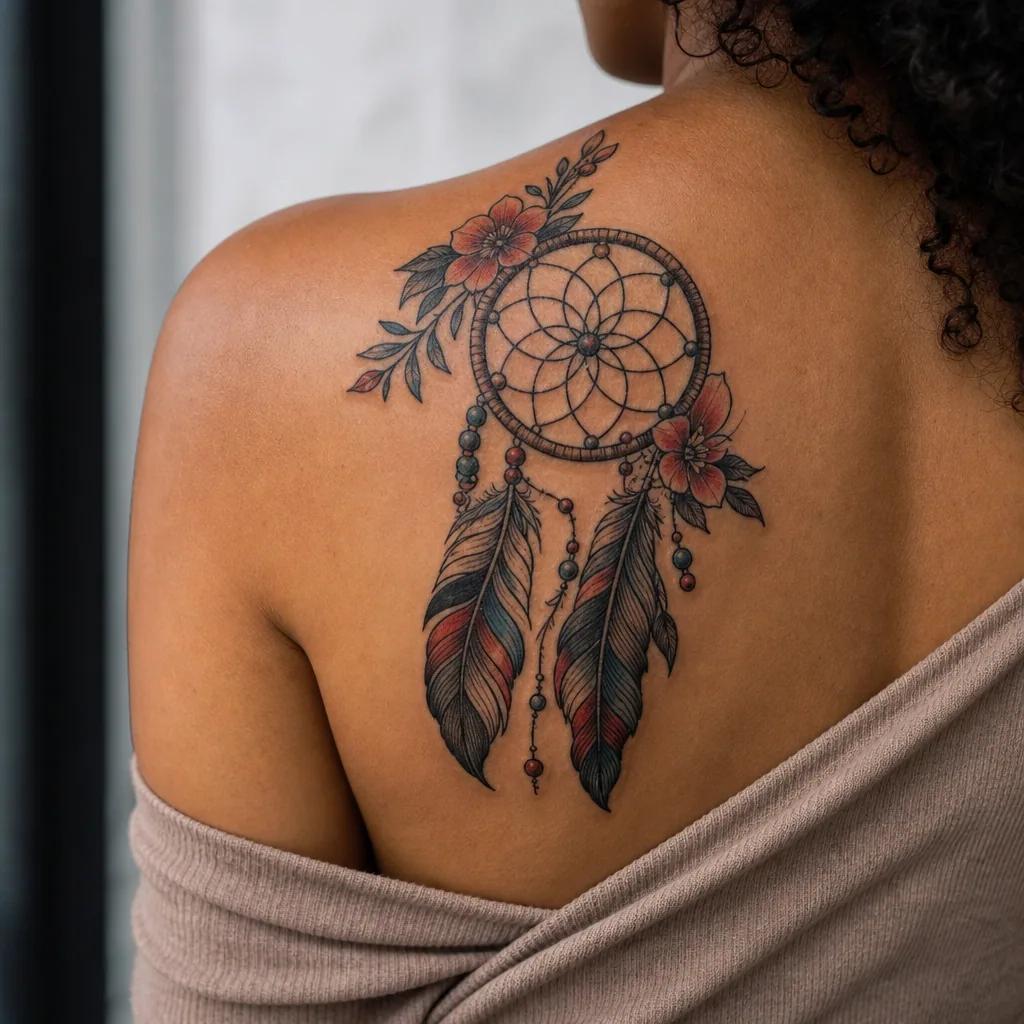
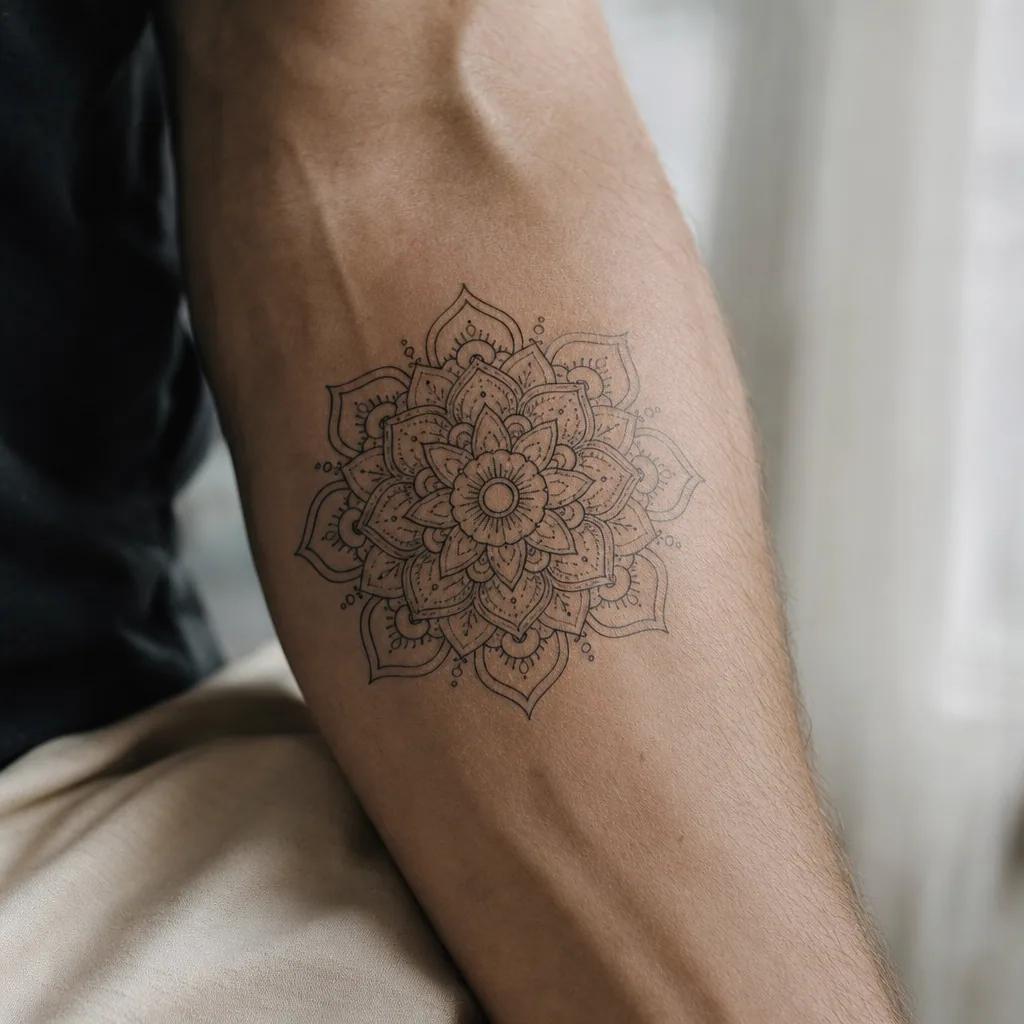
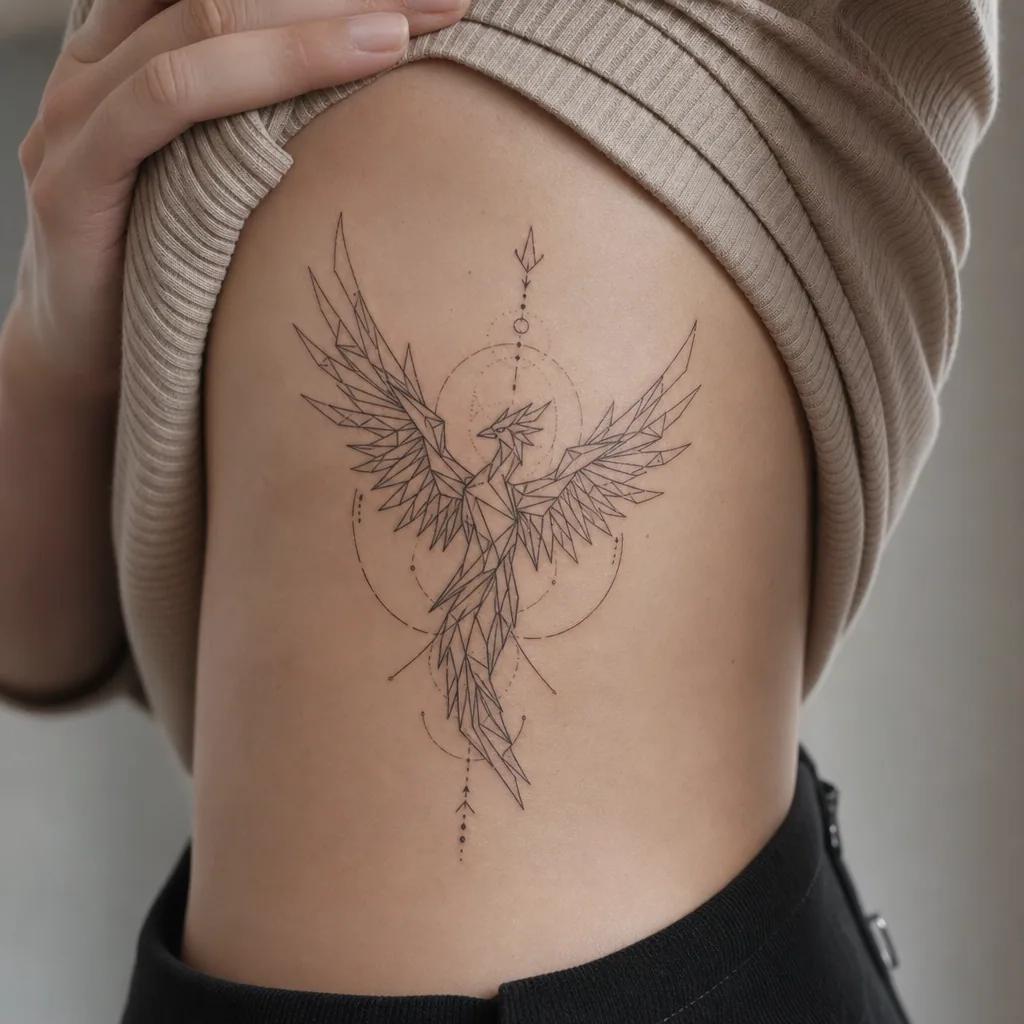
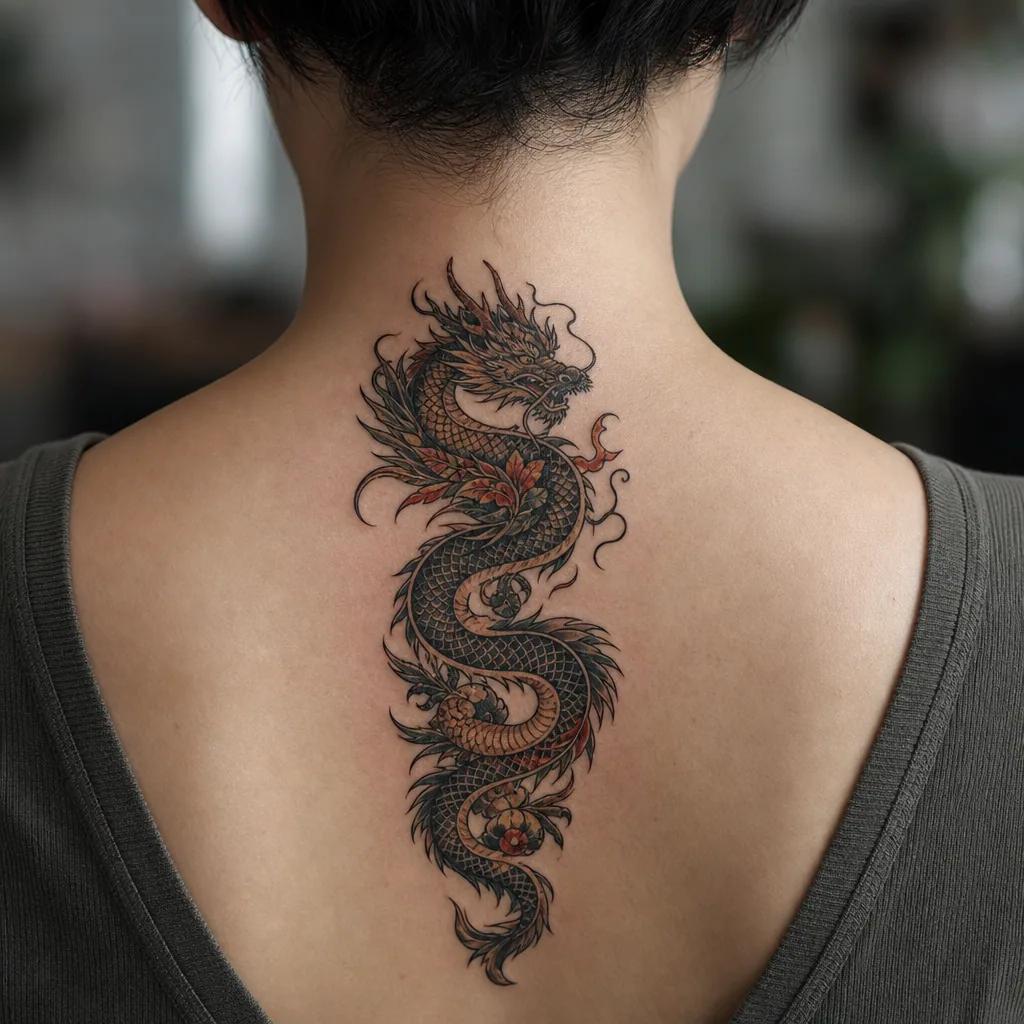
A cover-up tattoo idea lets you turn a botched, outdated or painful old tattoo into a piece you'll be proud of. Discover AI-generated cover-up designs, from dense blackwork to a baroque bouquet. Find the composition that will erase the past.
The best Cover-up tattoo ideas
On real skin20 photorealistic previews so you can decide before your appointment.
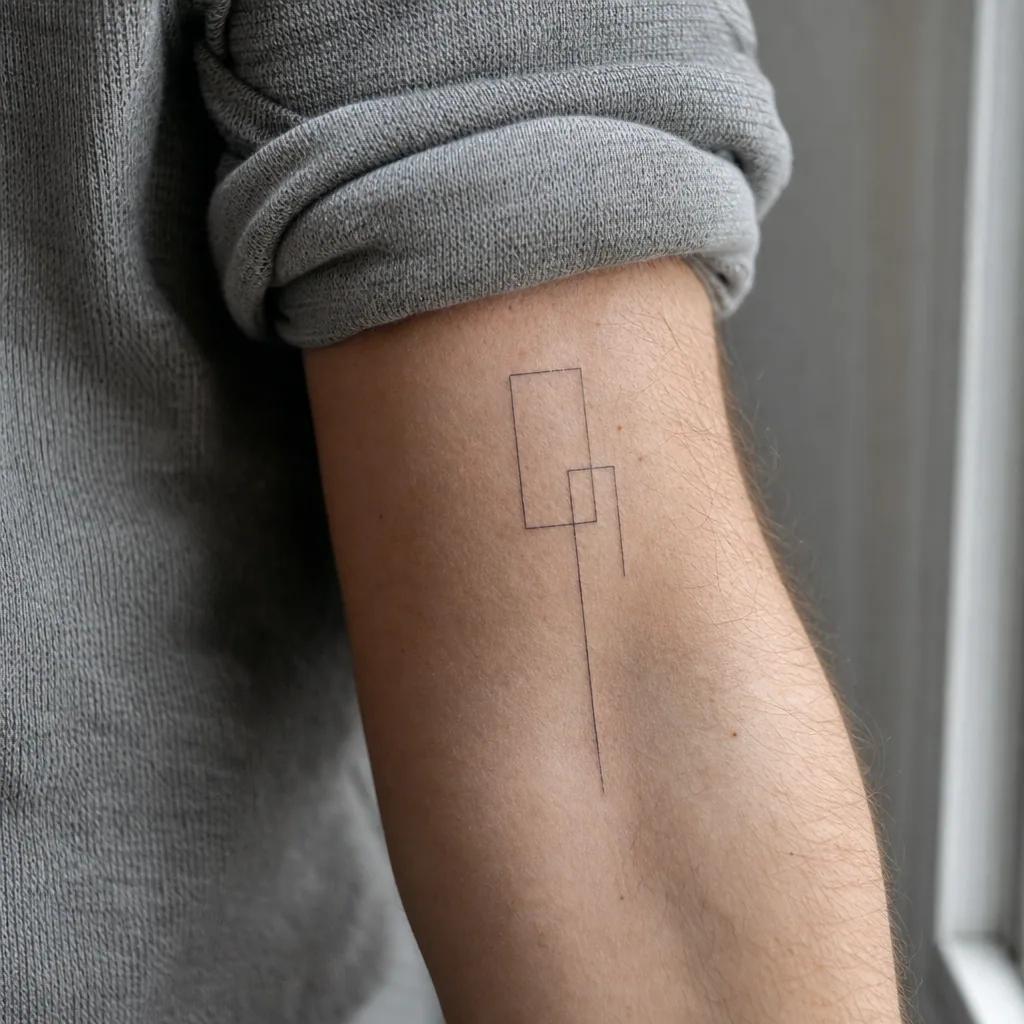
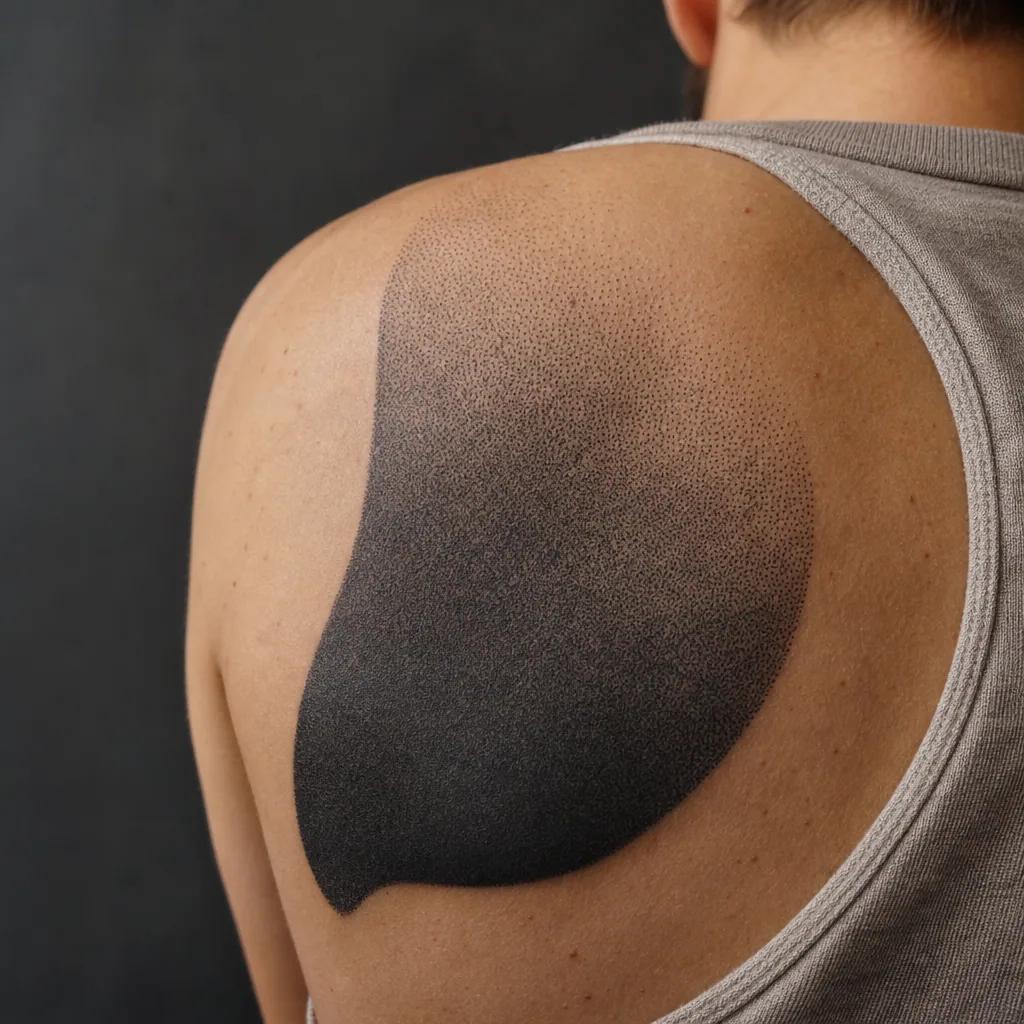
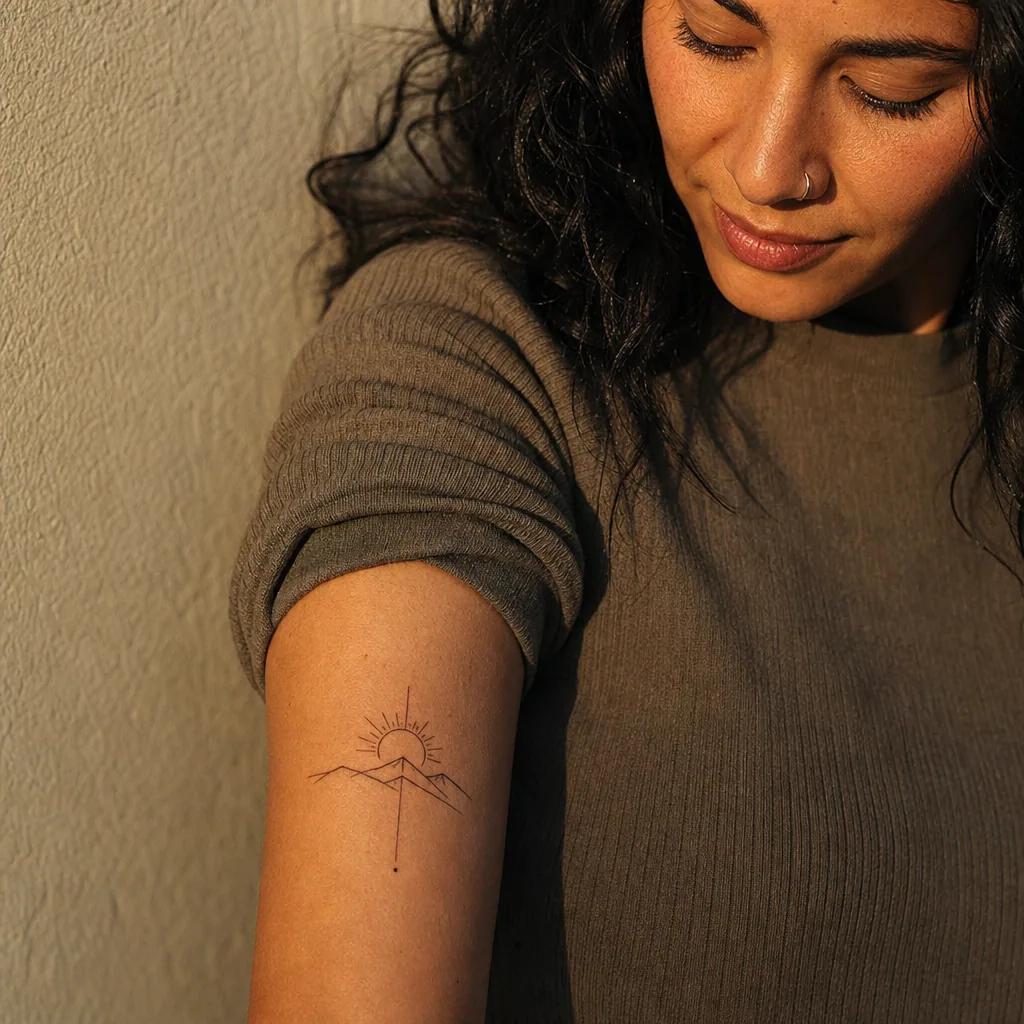
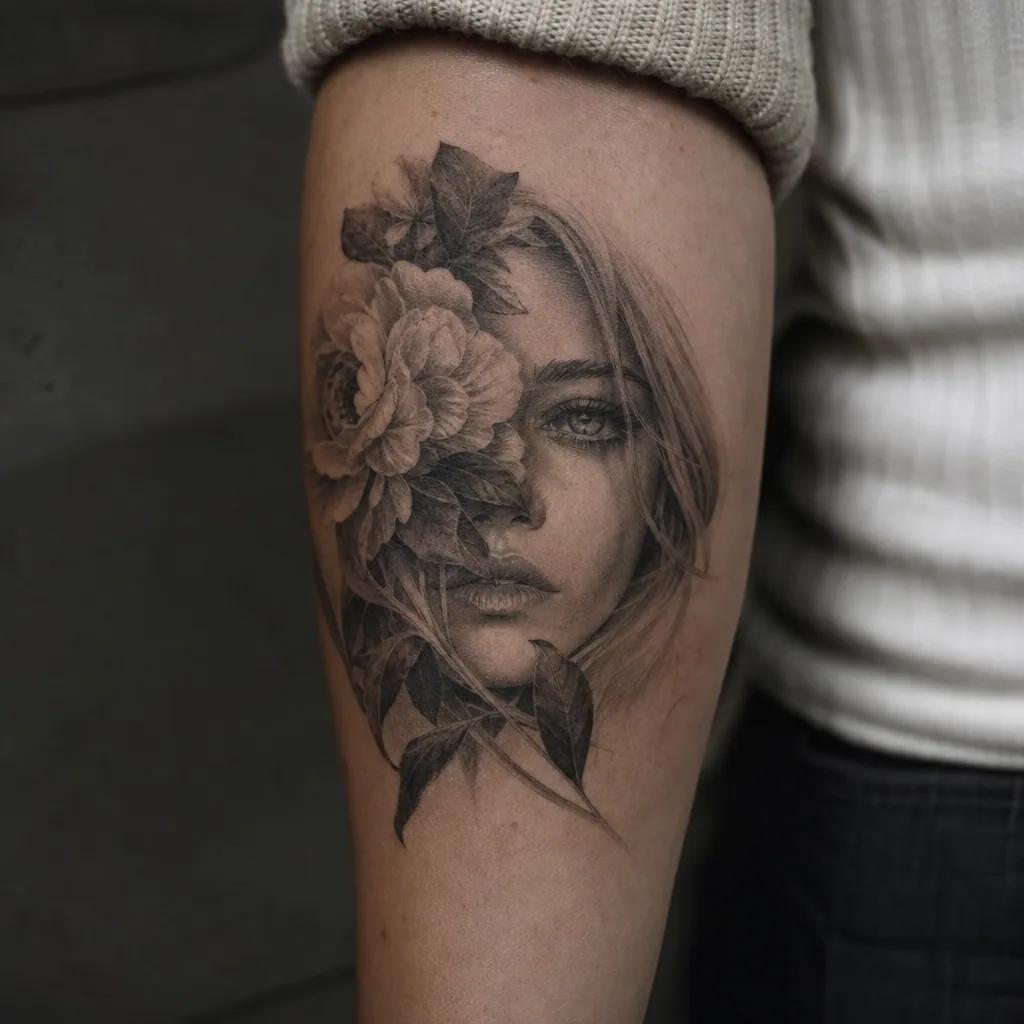
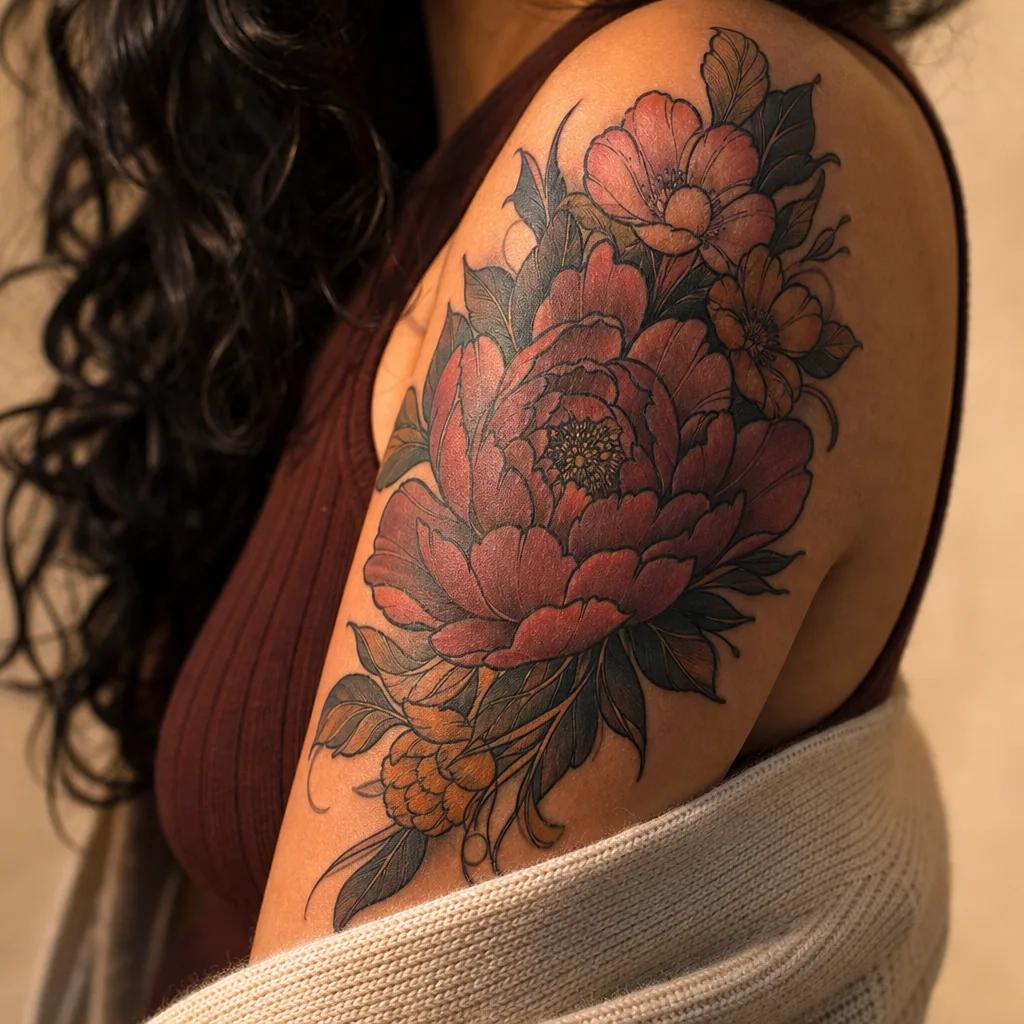
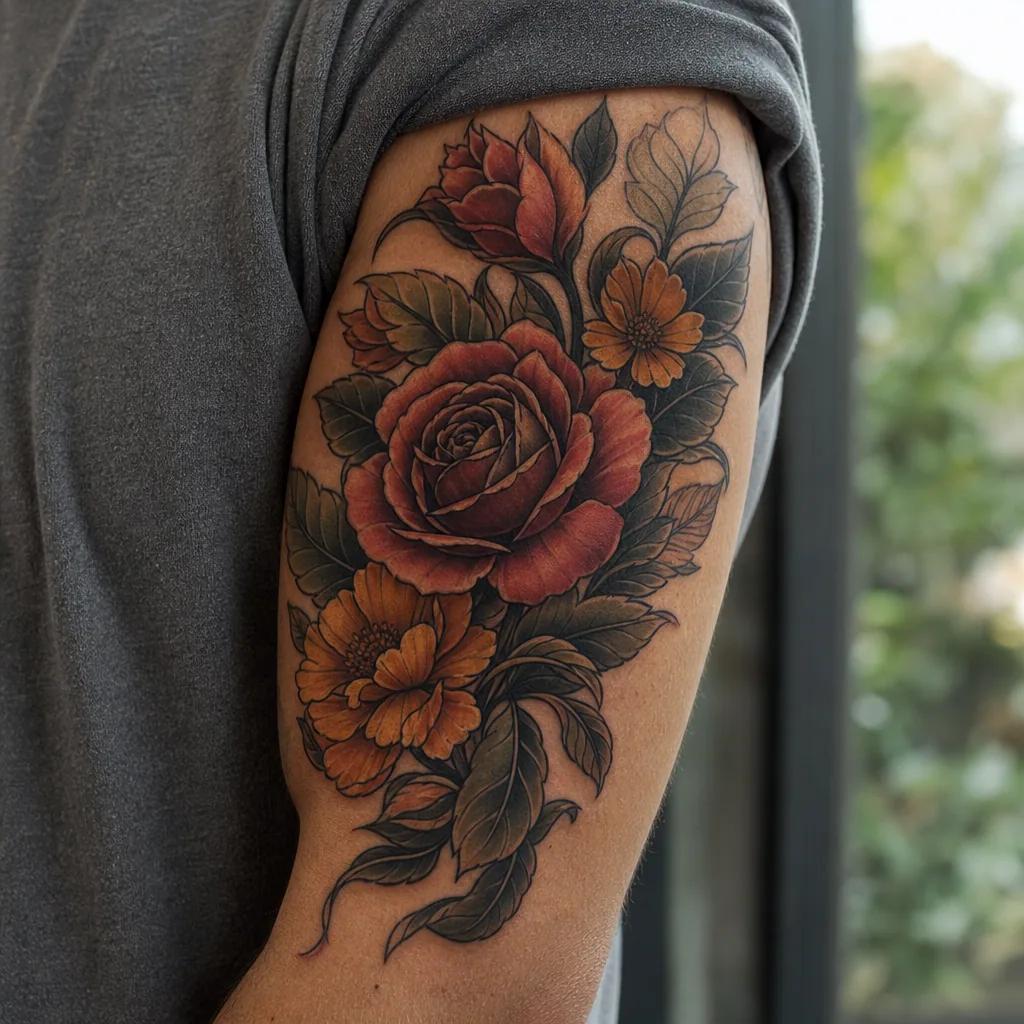
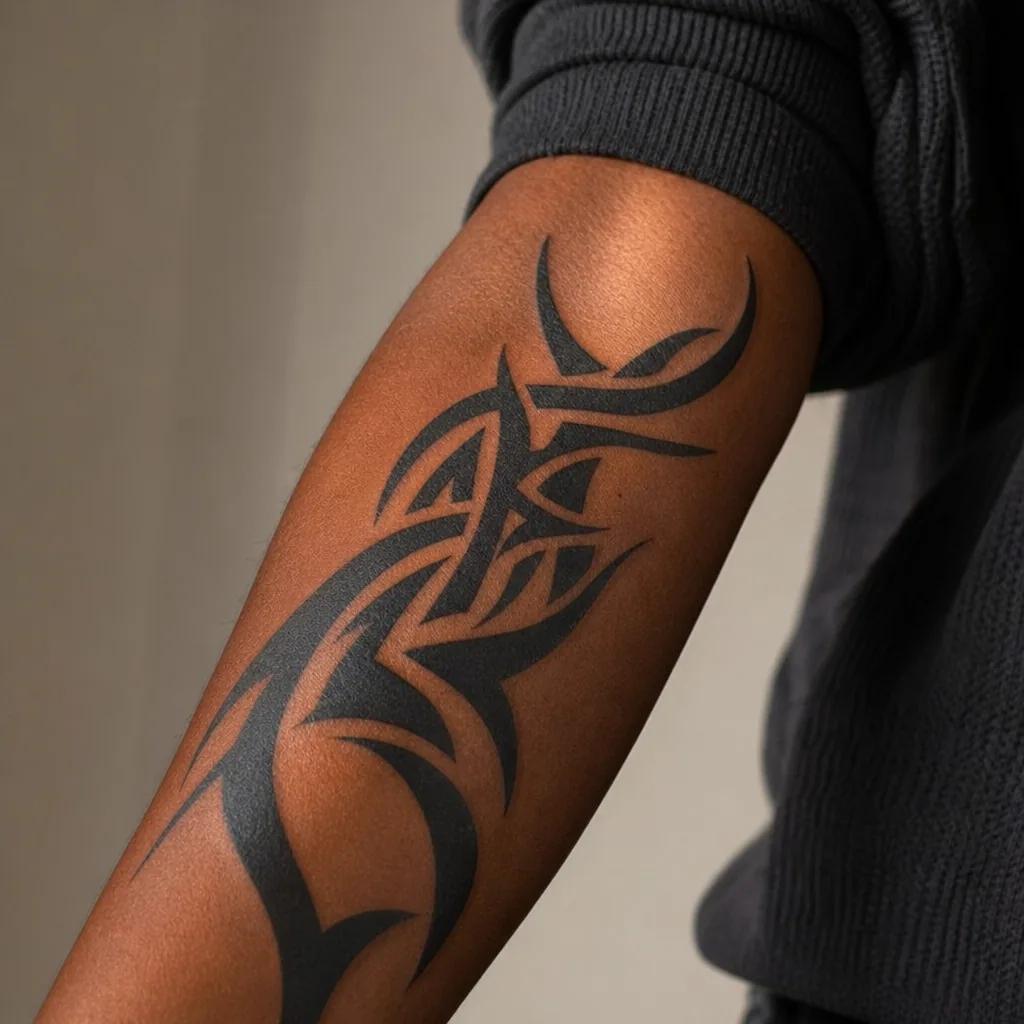
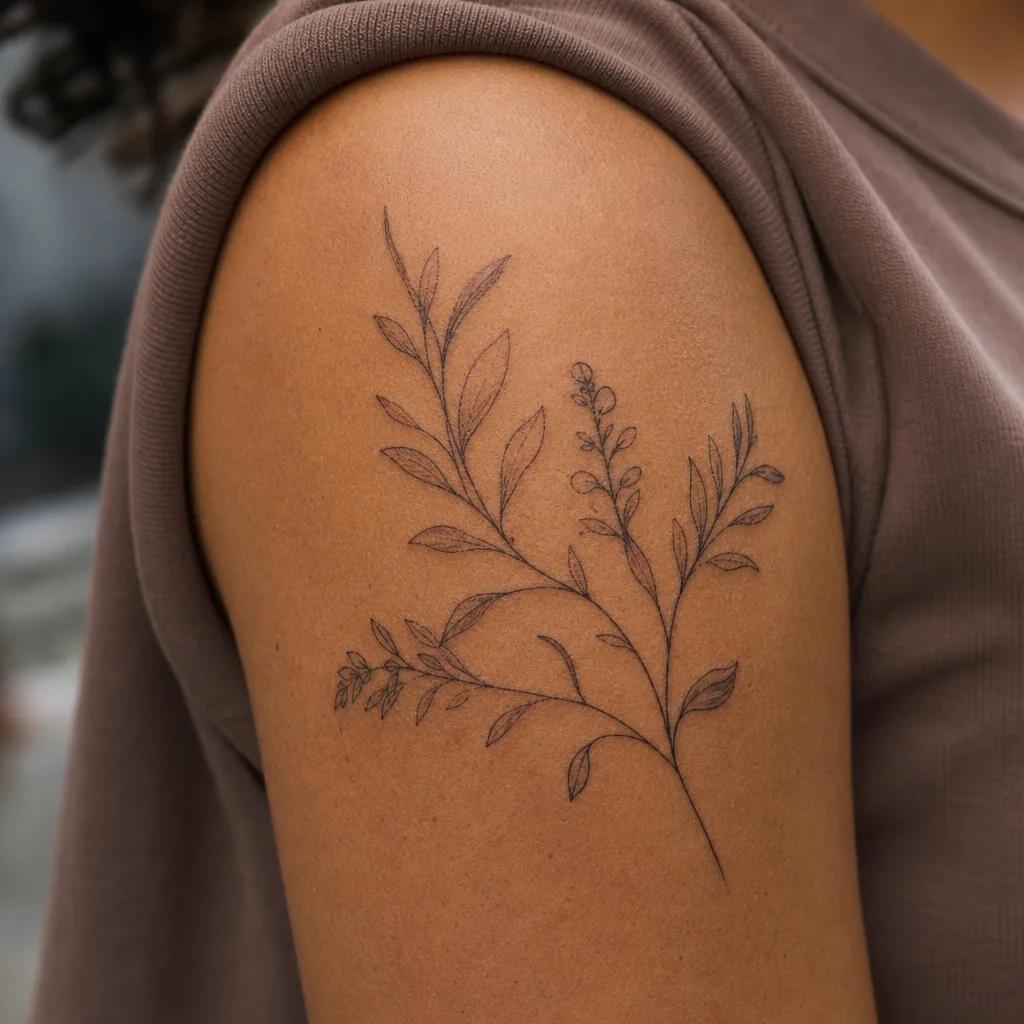
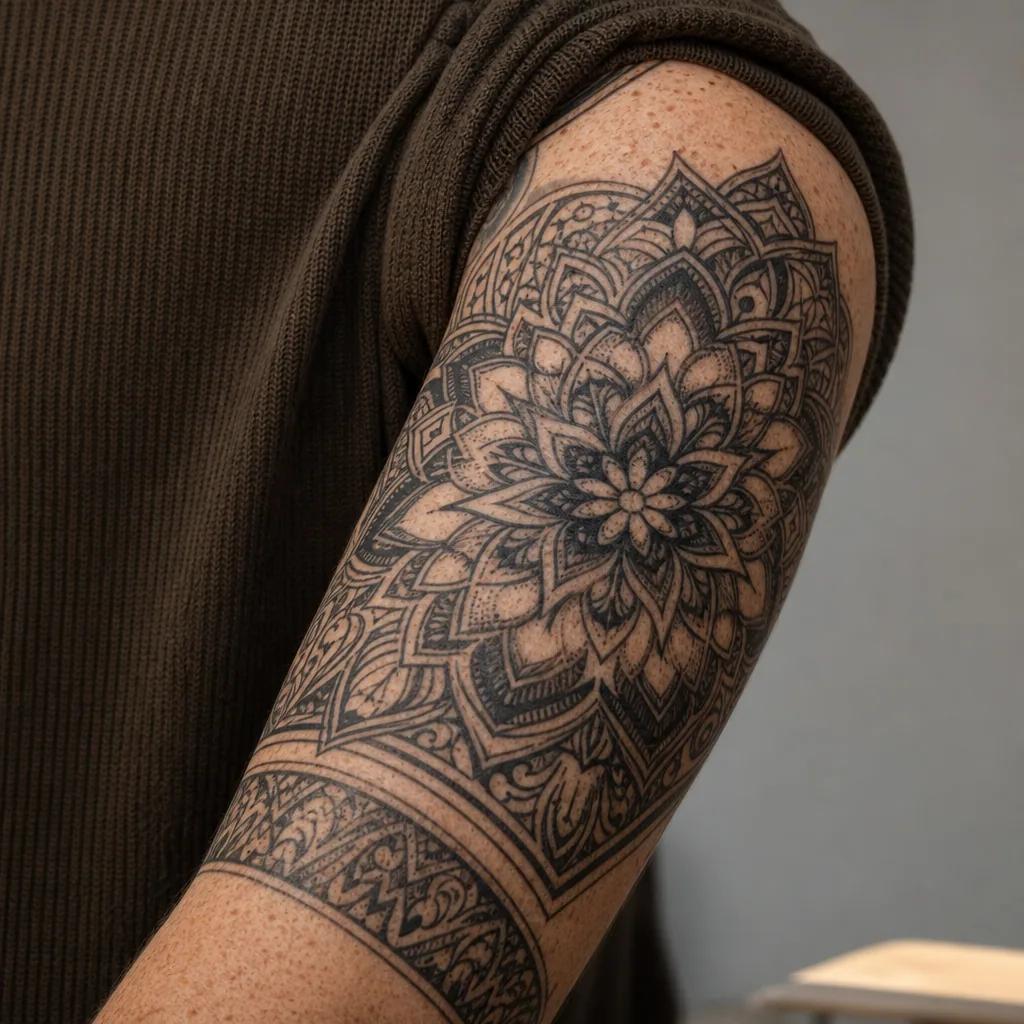
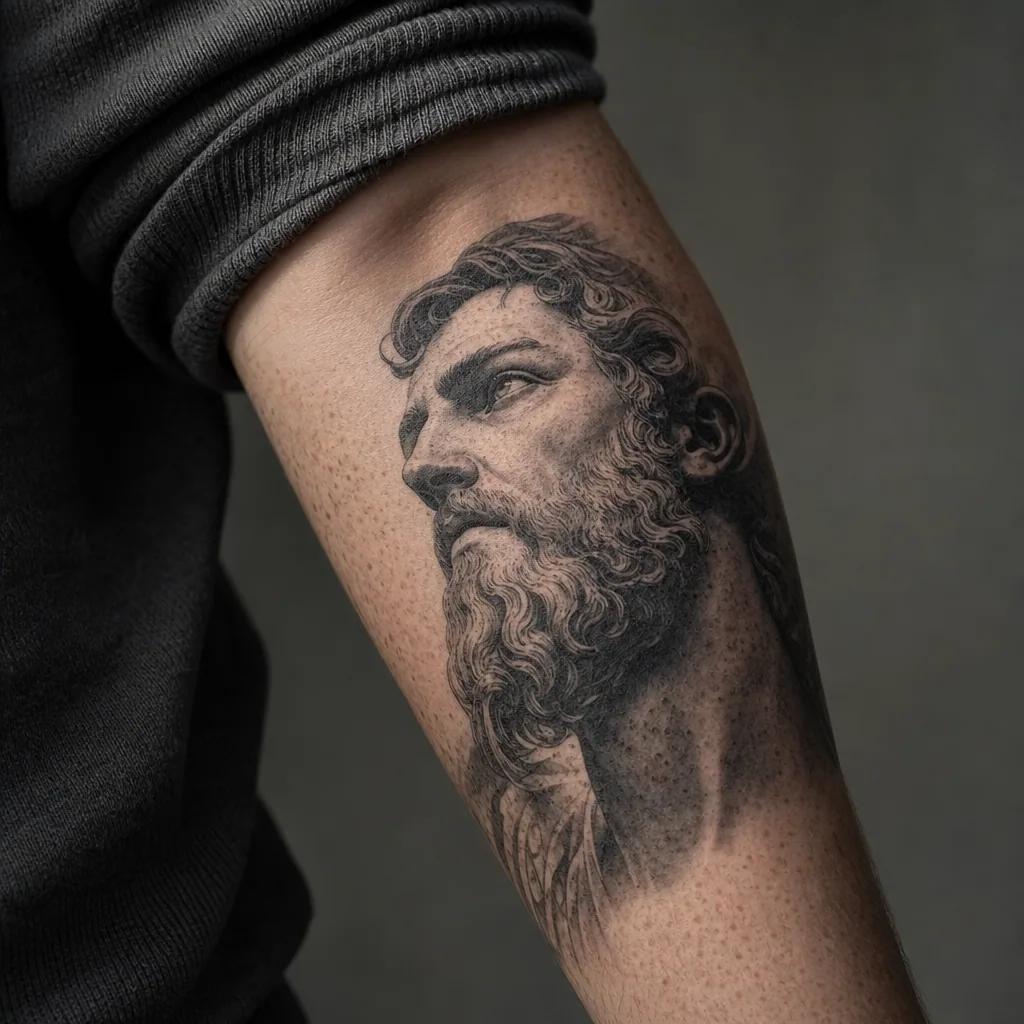
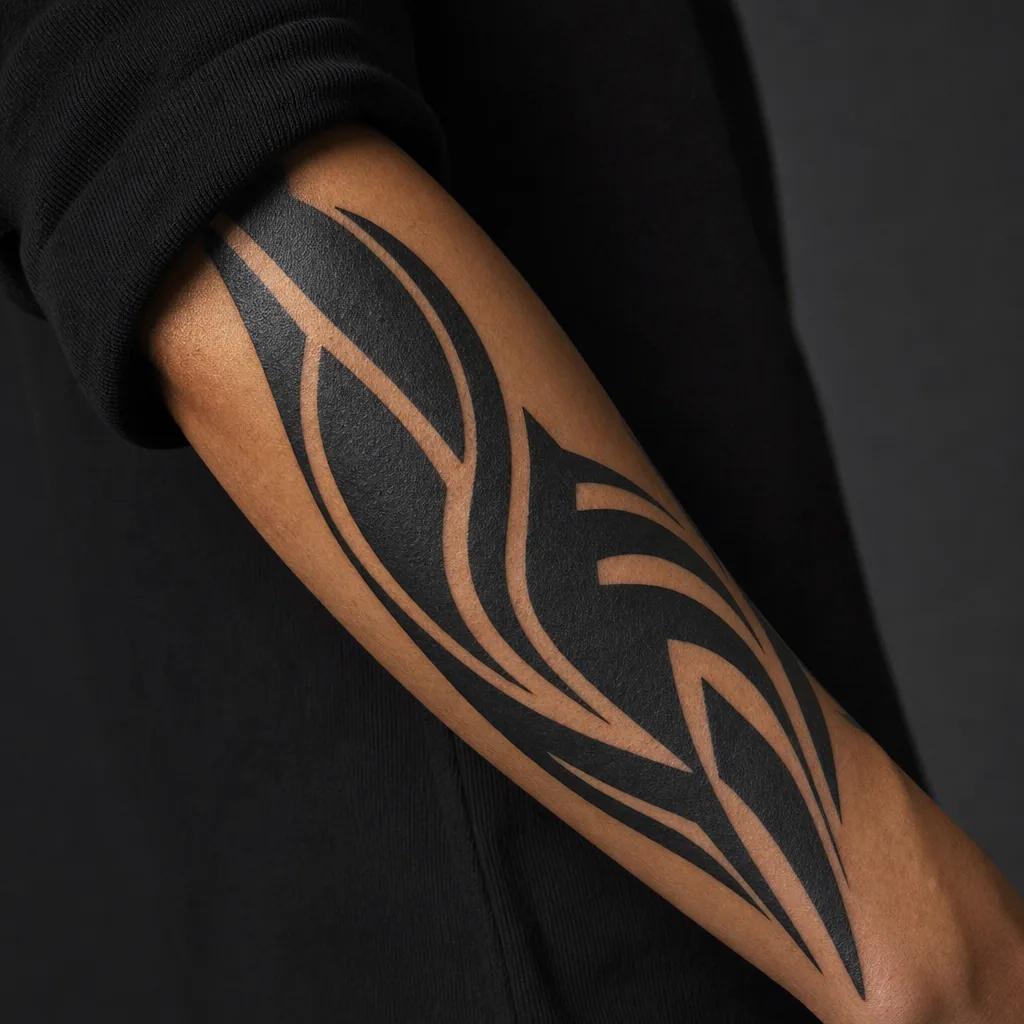
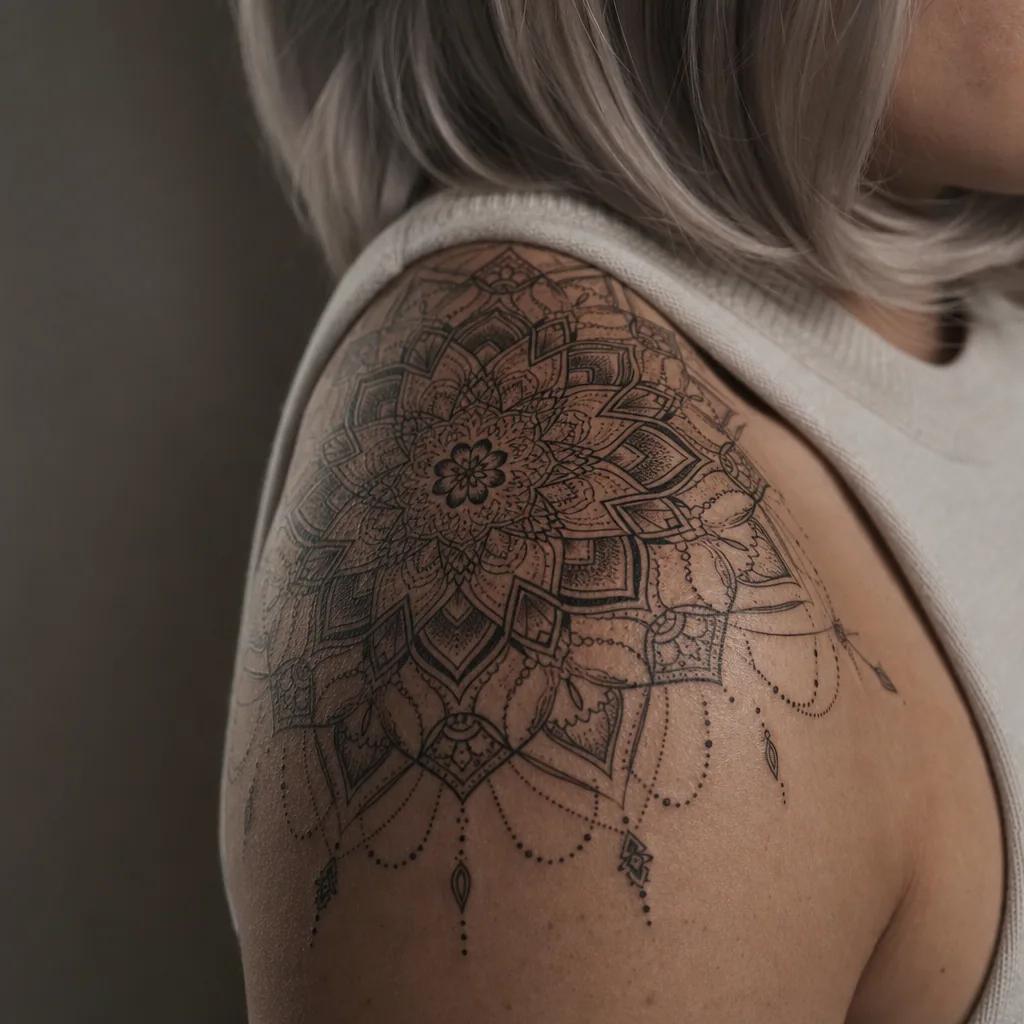
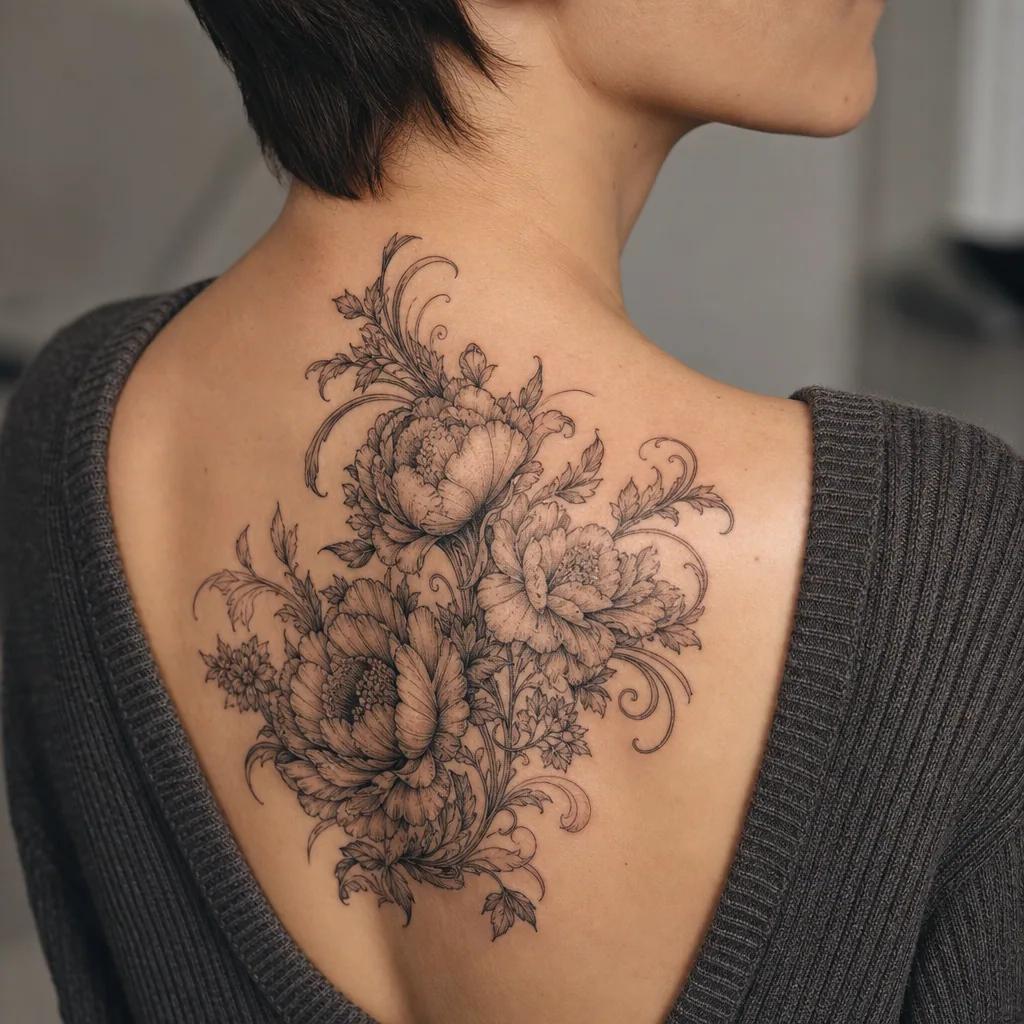
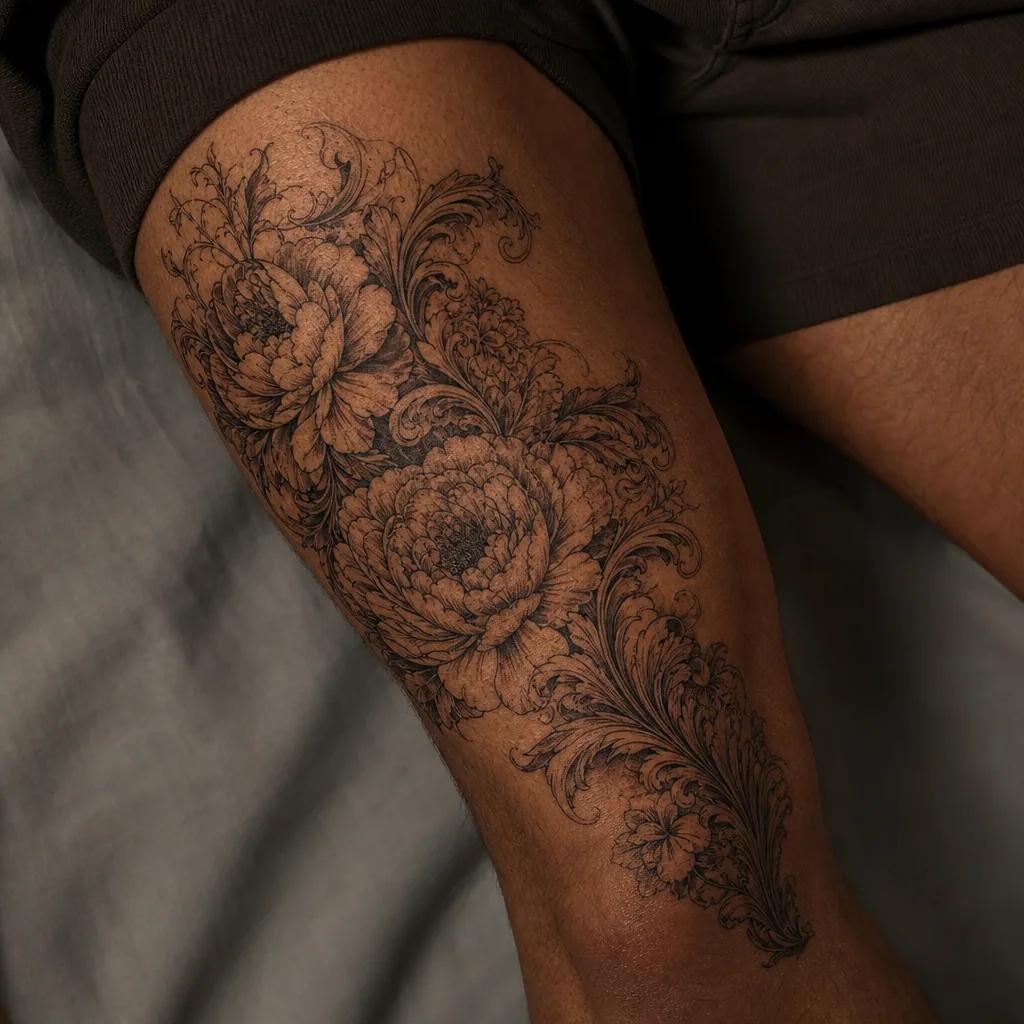
More inspiration
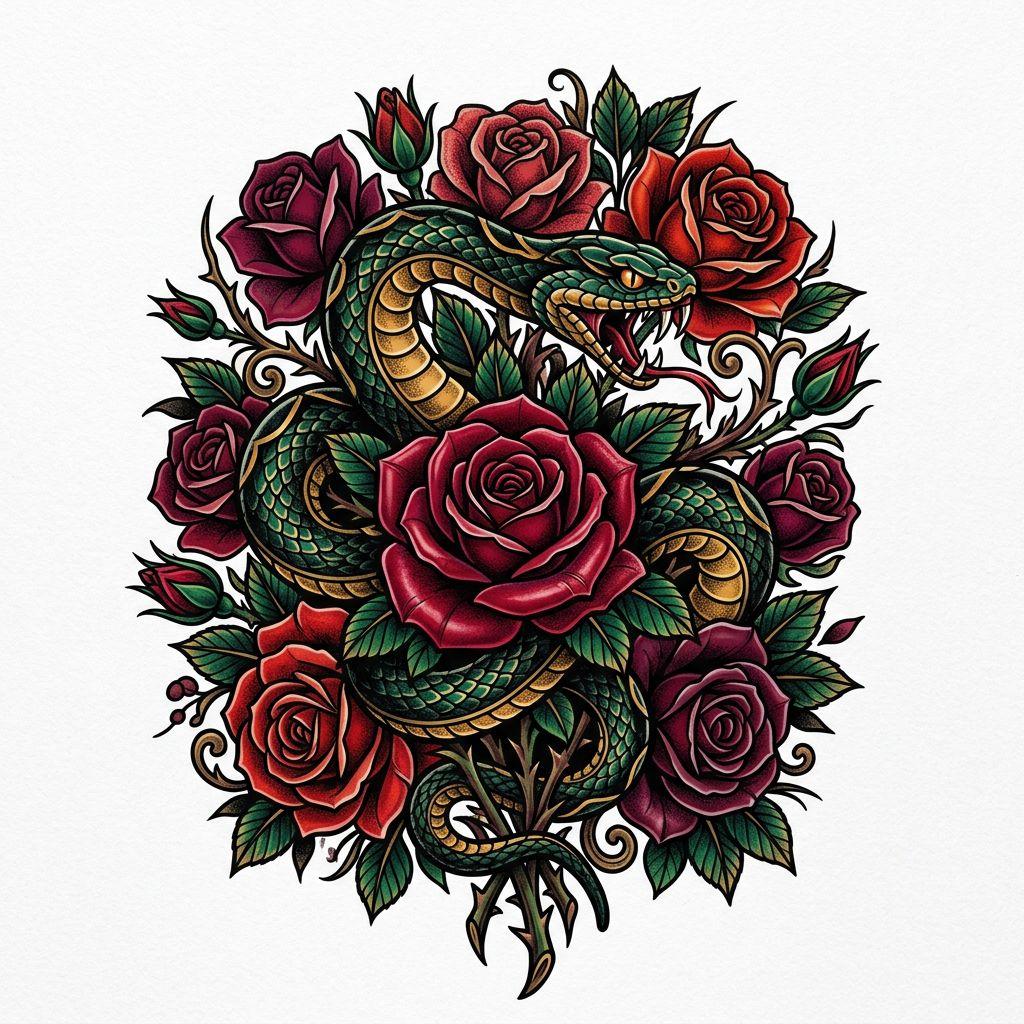
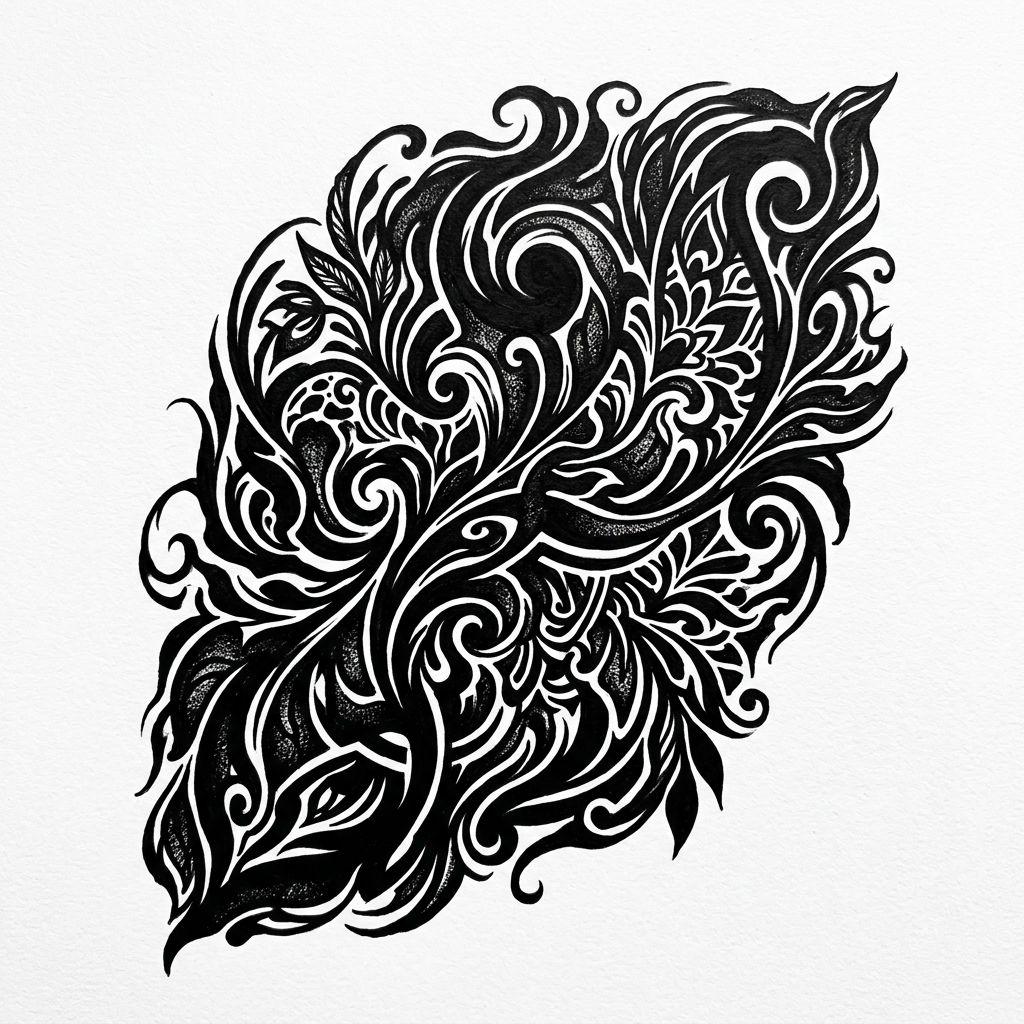
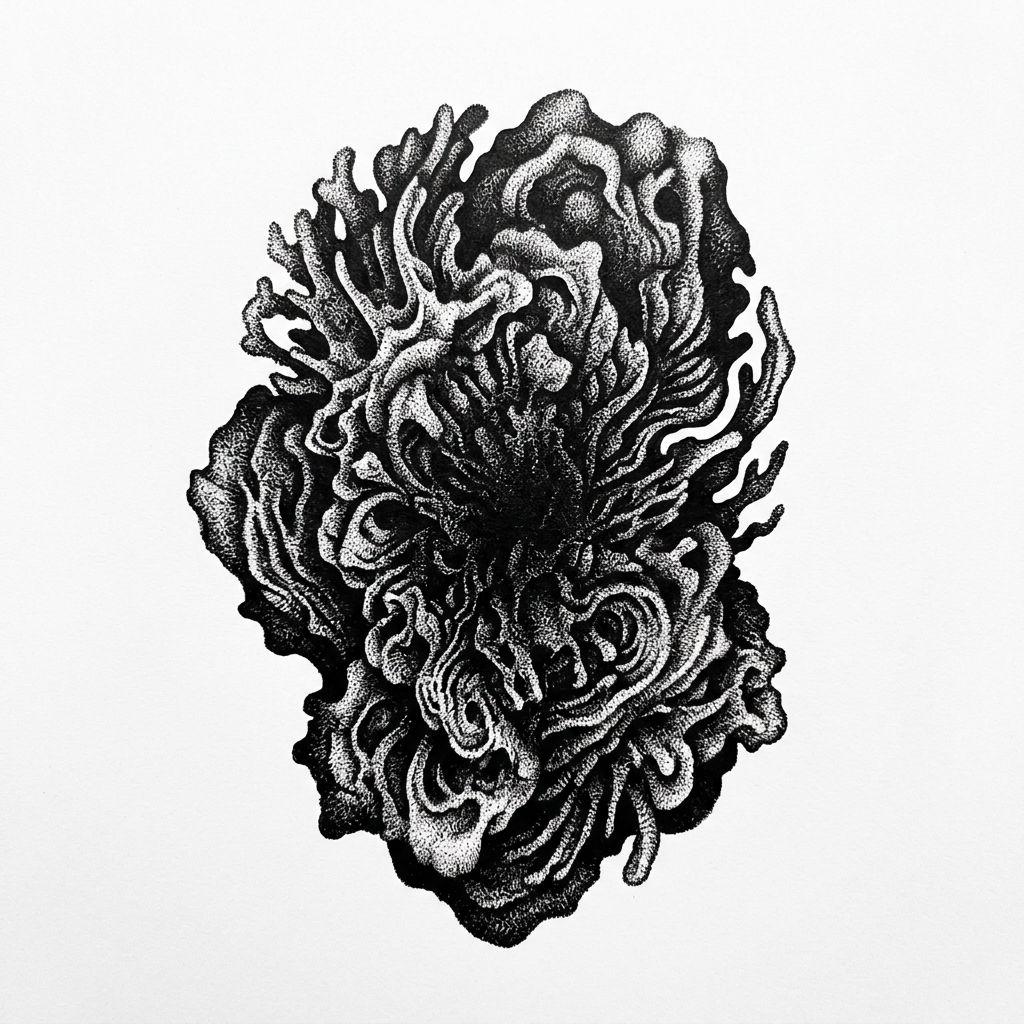
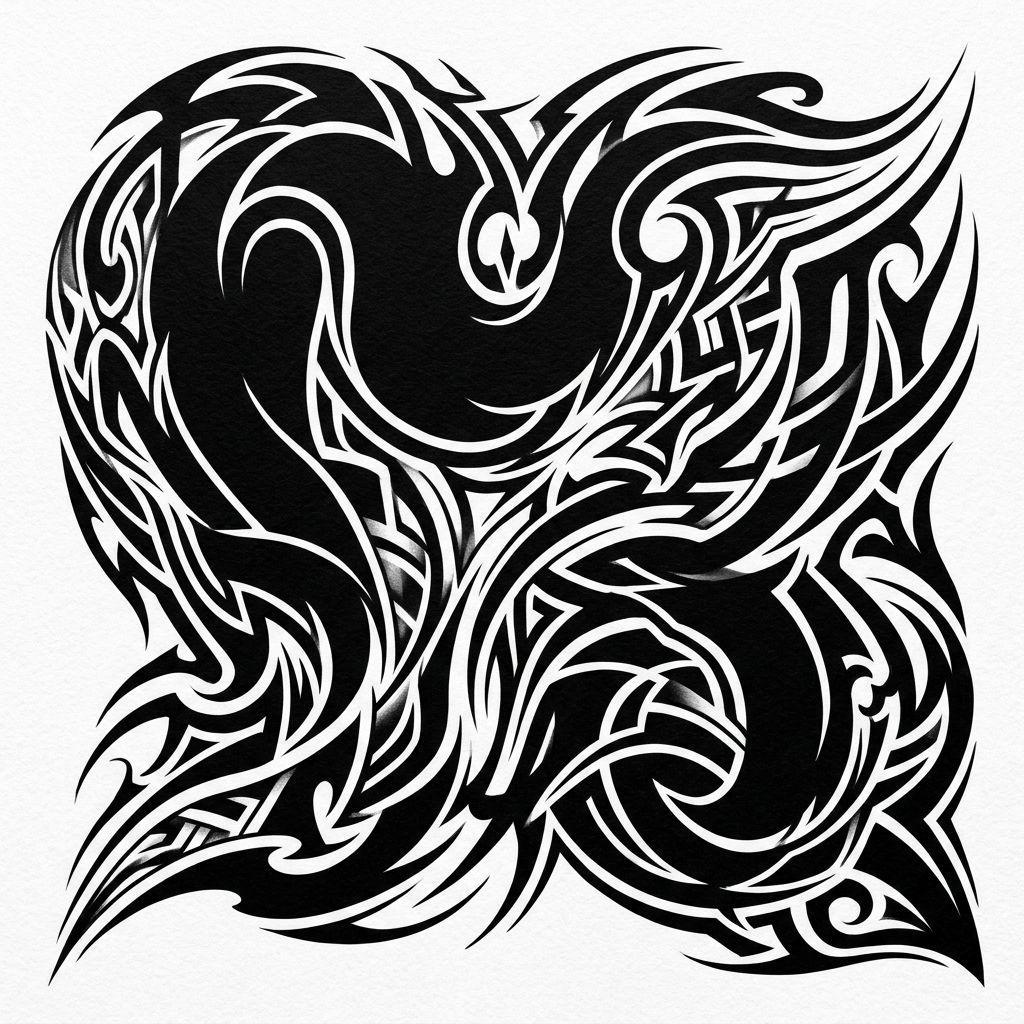
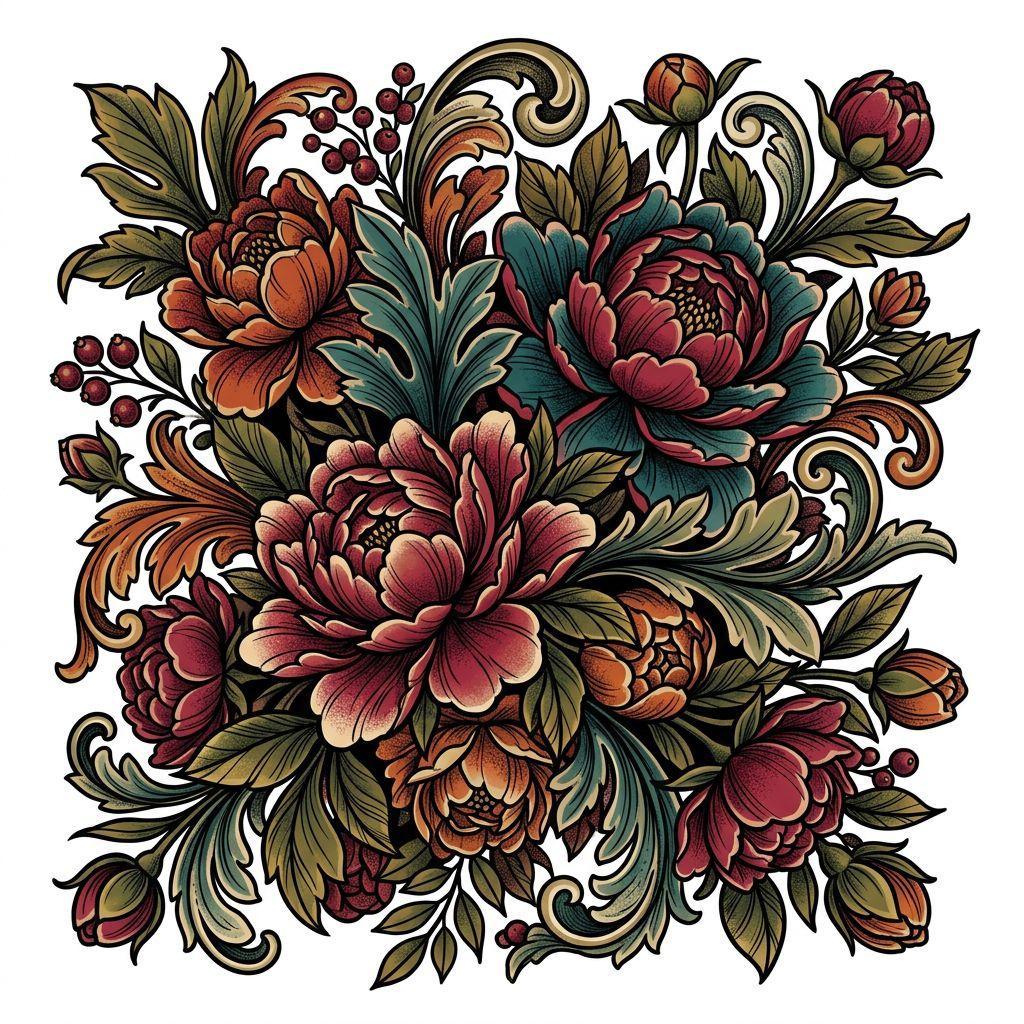
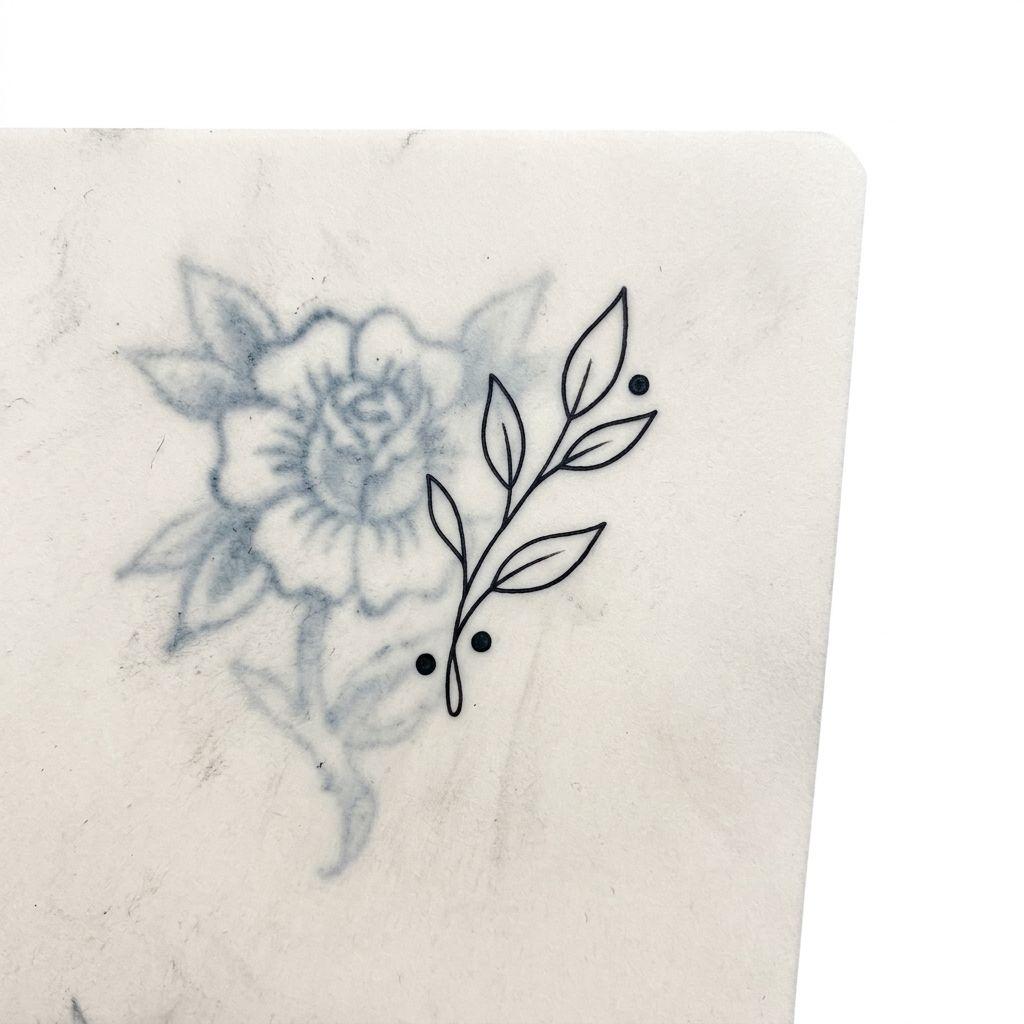
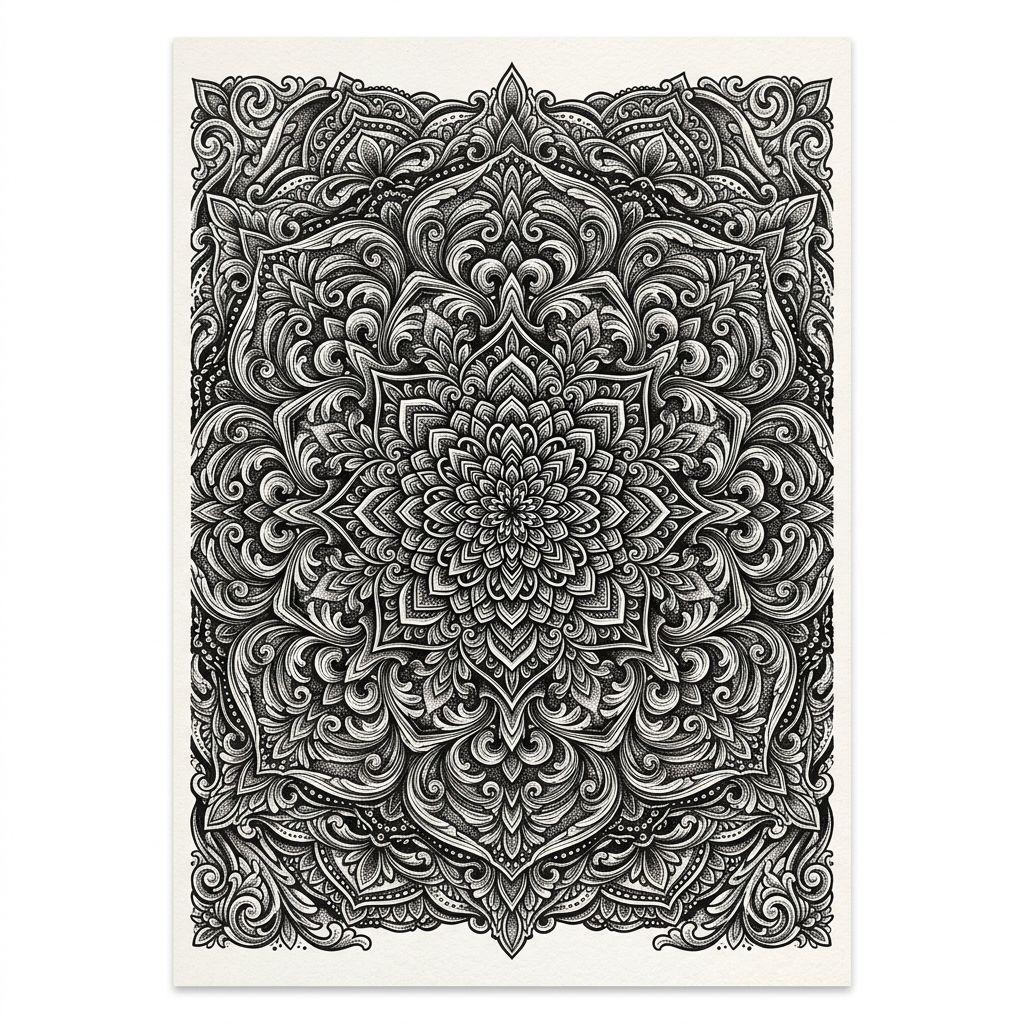
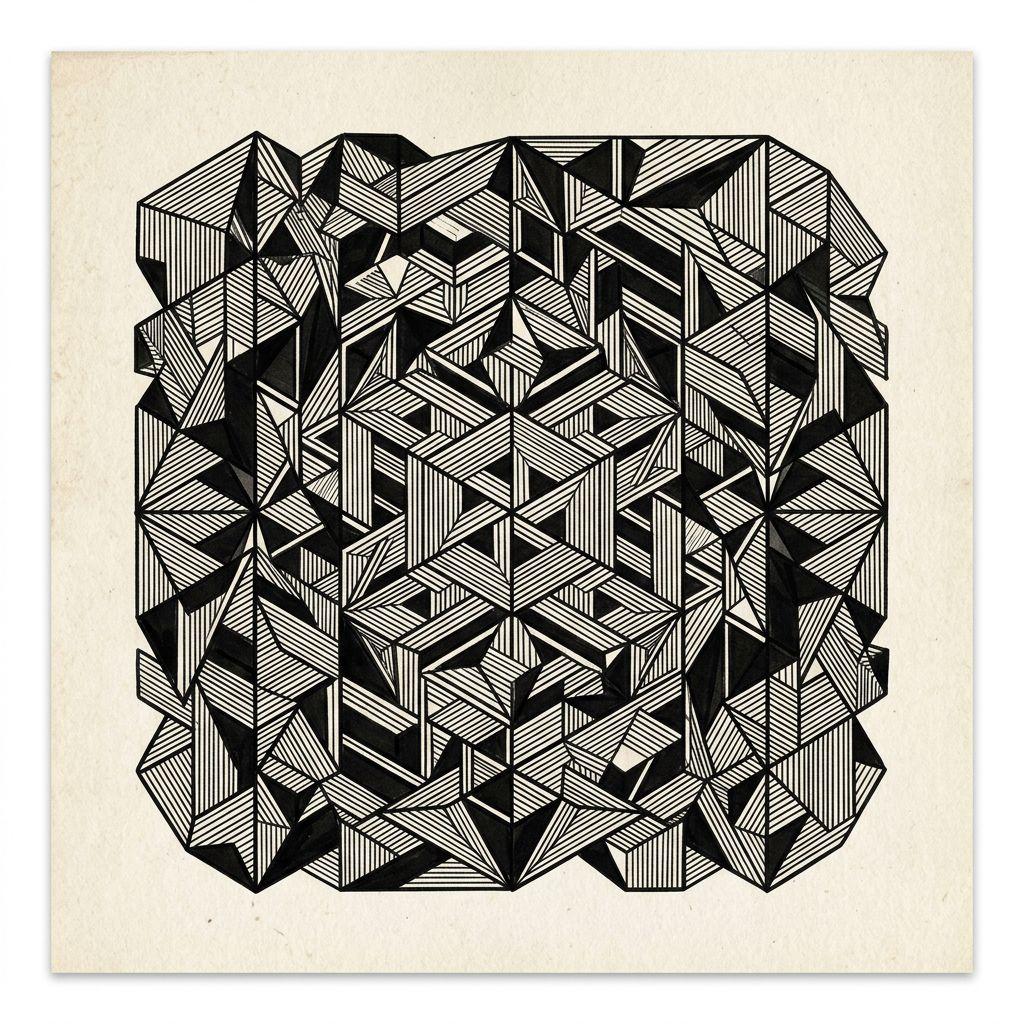
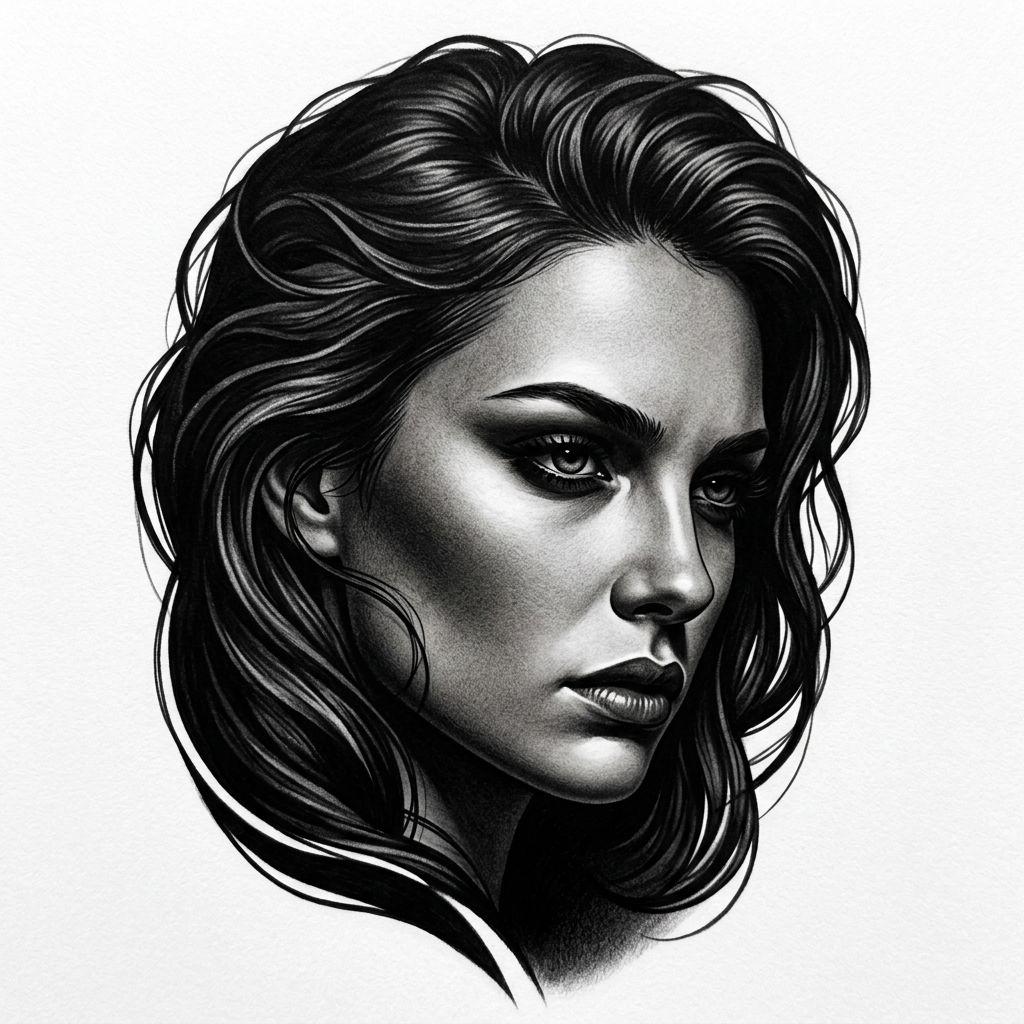
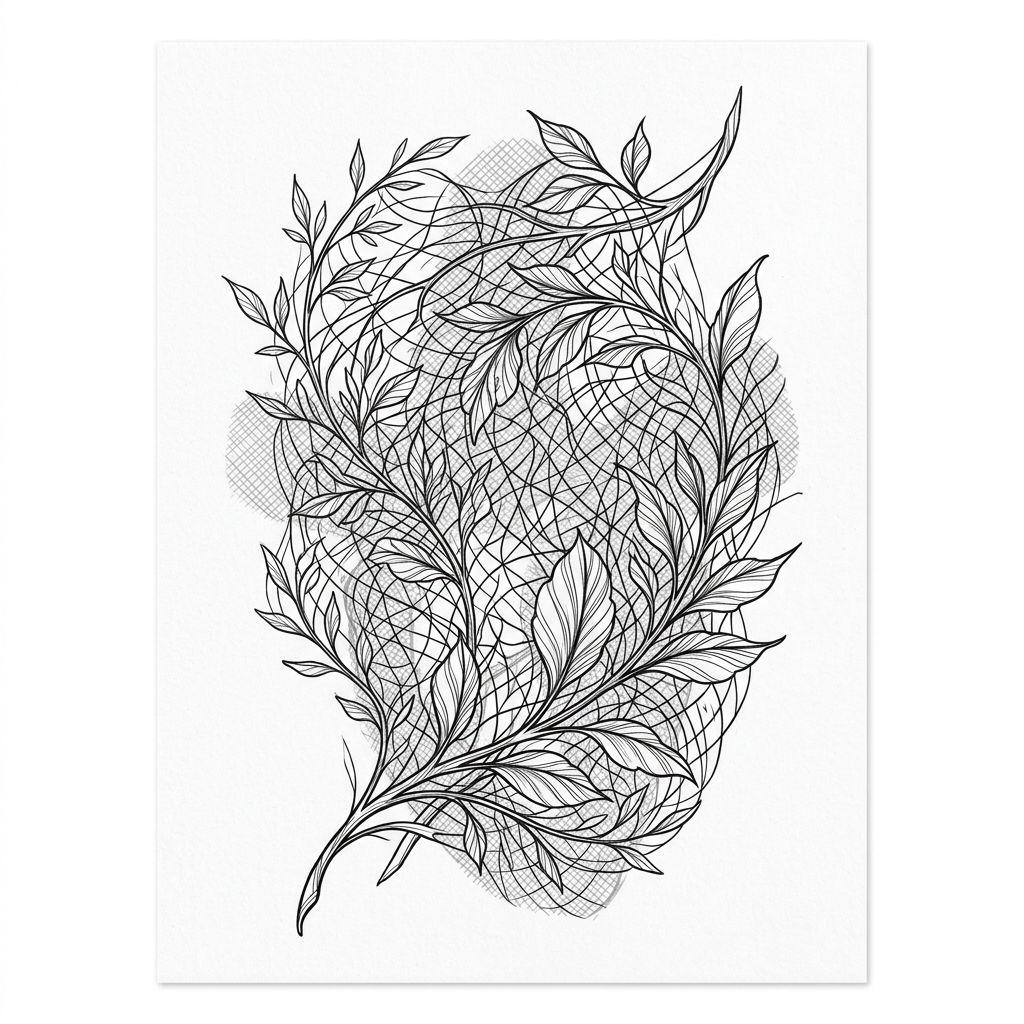
These designs were created with AI. Every tattoo is unique and can be customized to your liking.
Why choose a Cover-up tattoo
A cover-up is an act of reclaiming. You don't get a cover-up by chance: there's almost always a story behind it, a regret, a breakup, a younger self's choice you no longer recognize. A great cover-up tattoo idea doesn't just hide, it tells a transformation. Technically, everything rests on density and contrast. The new design has to be darker and more packed than the old one to visually neutralize it. That's why the most effective styles are blackwork, saturated neo-traditional, black and grey realism and dense ornamental work. Light, thin motifs almost never cover anything. In 2026, lush floral cover-ups and organic compositions dominate, because their natural shadow zones absorb the old design without looking artificial. Key point: a cover-up is an expert-level project. Depending on the color and depth of the original ink, one to three laser removal sessions are sometimes needed before a clean design can be applied. Consult a tattoo artist who specializes in cover-ups before making any decision.
See all tattoo ideasPopular styles for a Cover-up tattoo
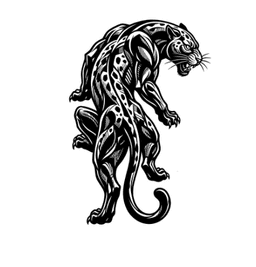
Cover-up in Blackwork style
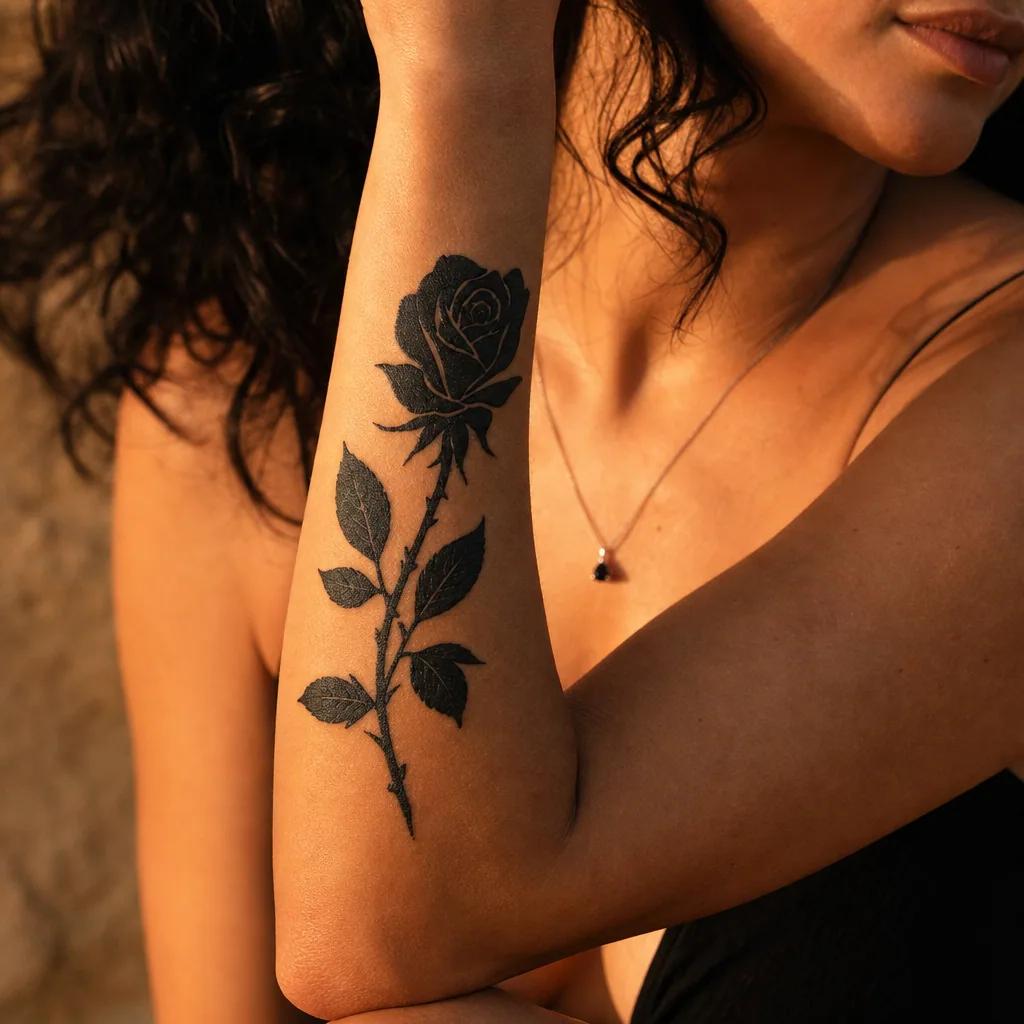
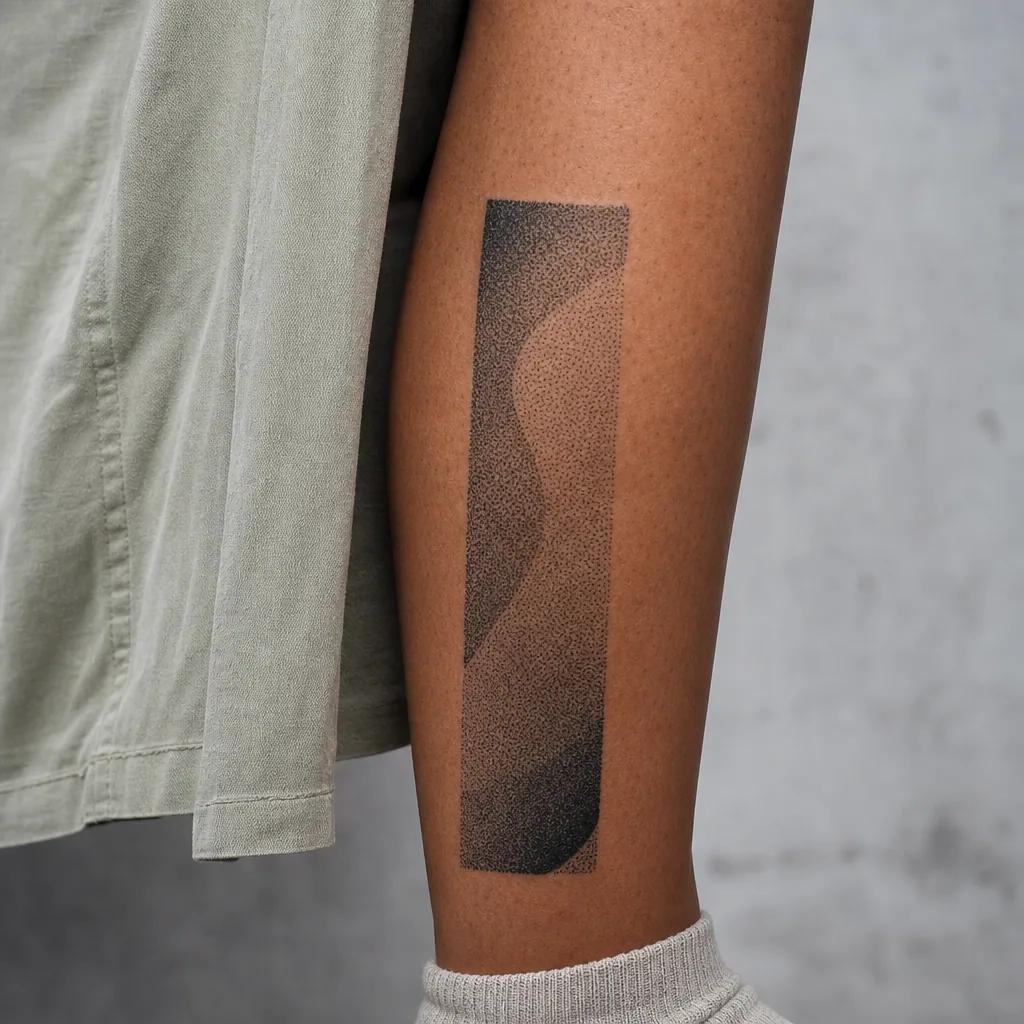
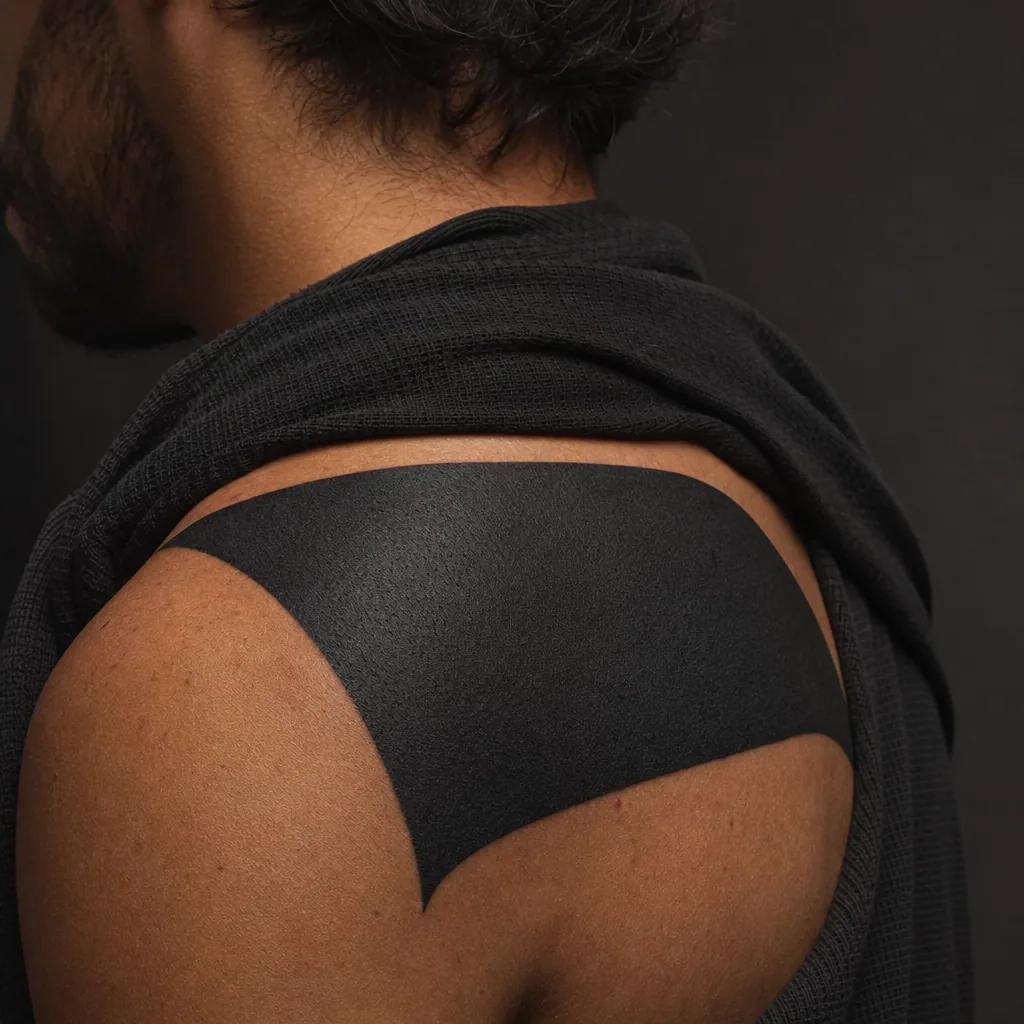
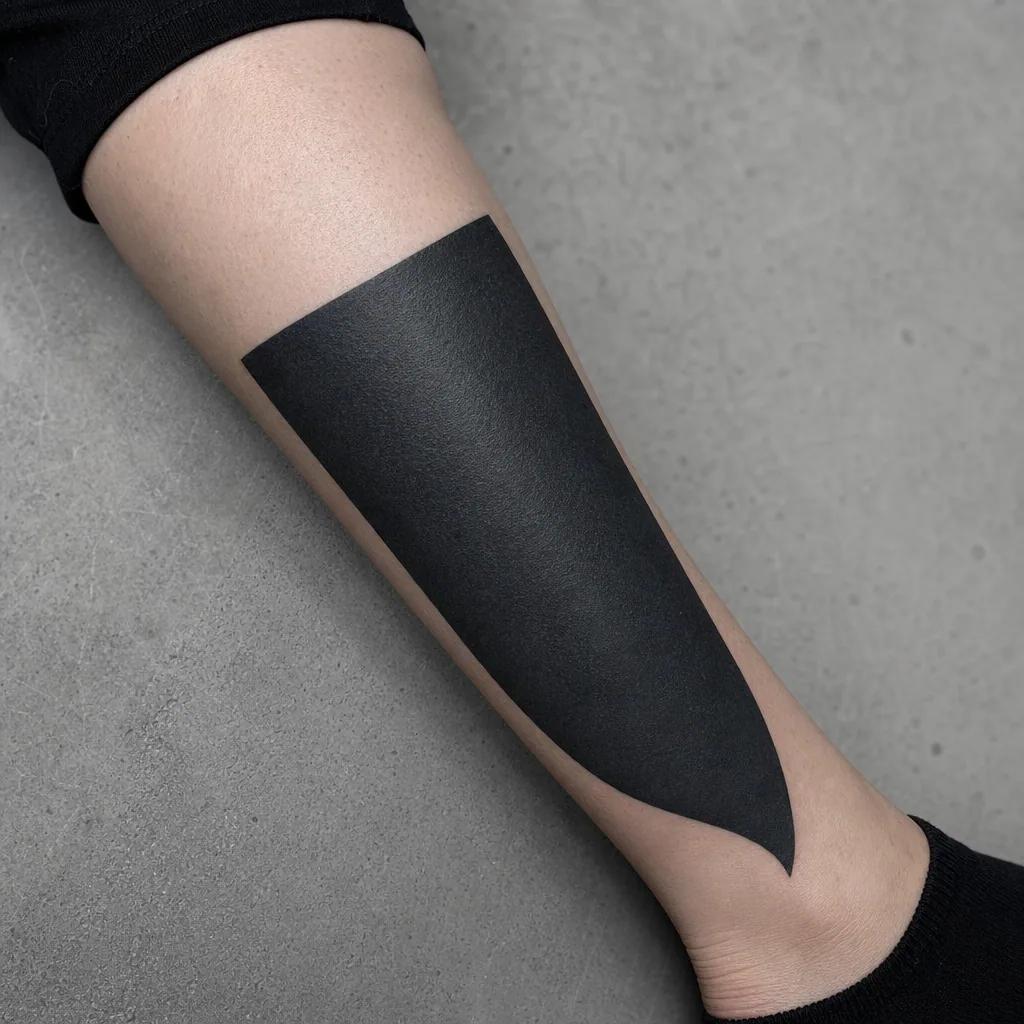
Blackwork is the safe bet for cover-ups. Its bold solid black and high contrast fully absorb the ink underneath, whatever its color. Ideal on the forearm, arm or calf to neutralize a heavily marked old tattoo. The artist plays with solid zones and negative space to rebuild a clean design where the old one left ghosting. It's the most reliable solution for a permanent cover-up.
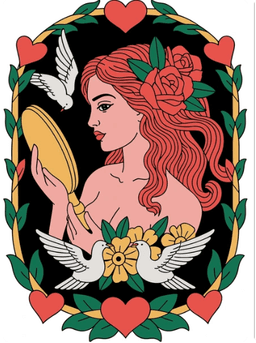
Cover-up in Neo-traditional style
Neo-traditional excels at cover-ups thanks to its saturated pigments and thick outlines. A rose, snake or butterfly in deep colors effectively covers a light tattoo while staying a vivid, colorful motif. The illustrative volume creates shadow zones that hide unwanted outlines. Perfect for anyone who wants a bold, decorative cover-up rather than a simple dark concealment.
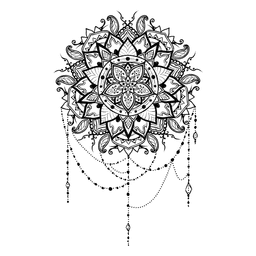
Cover-up in Ornamental style
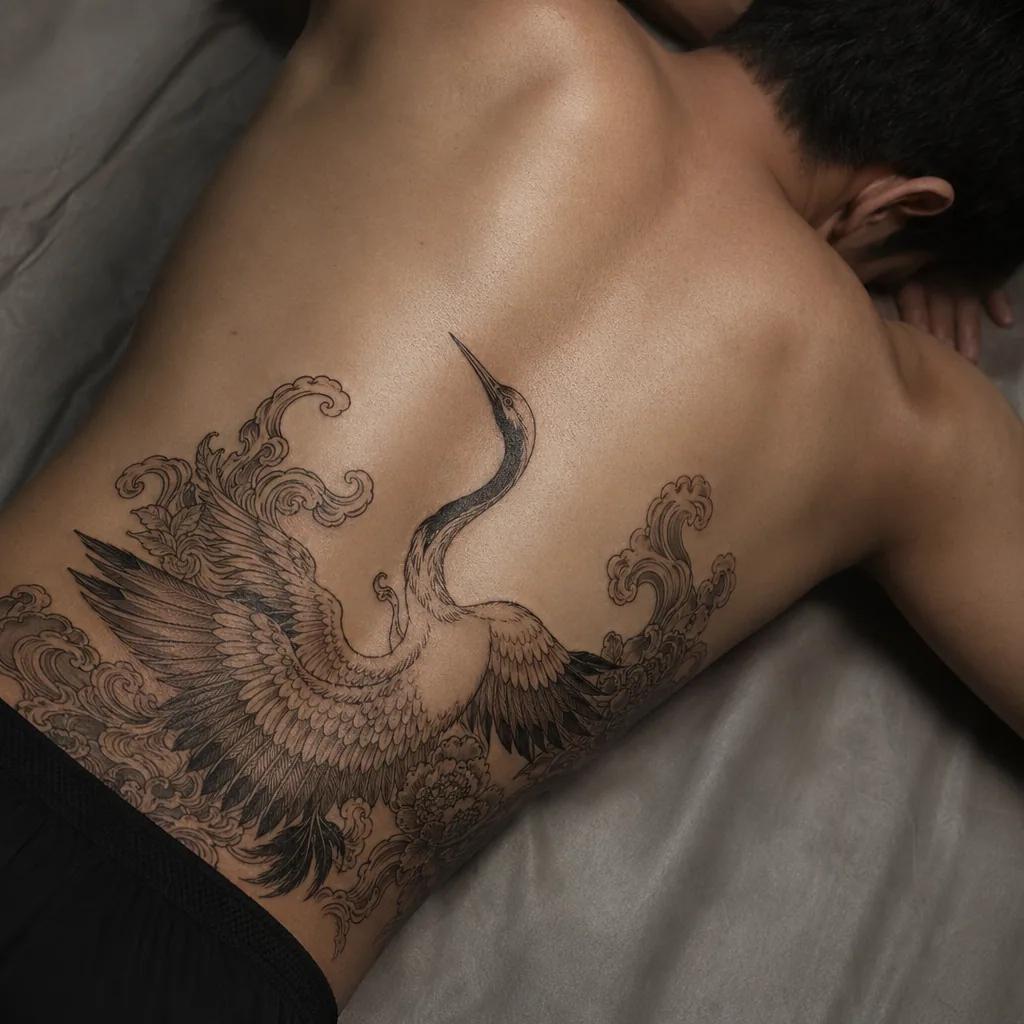
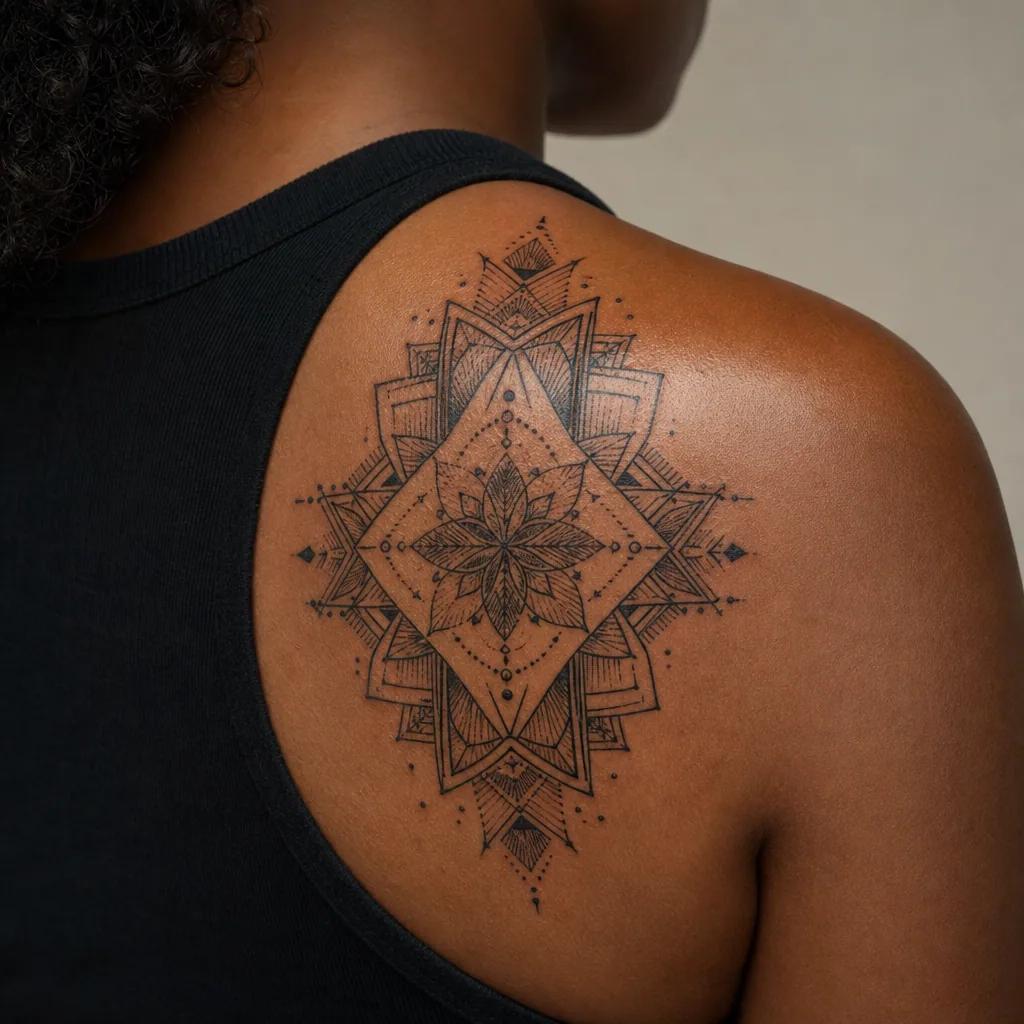
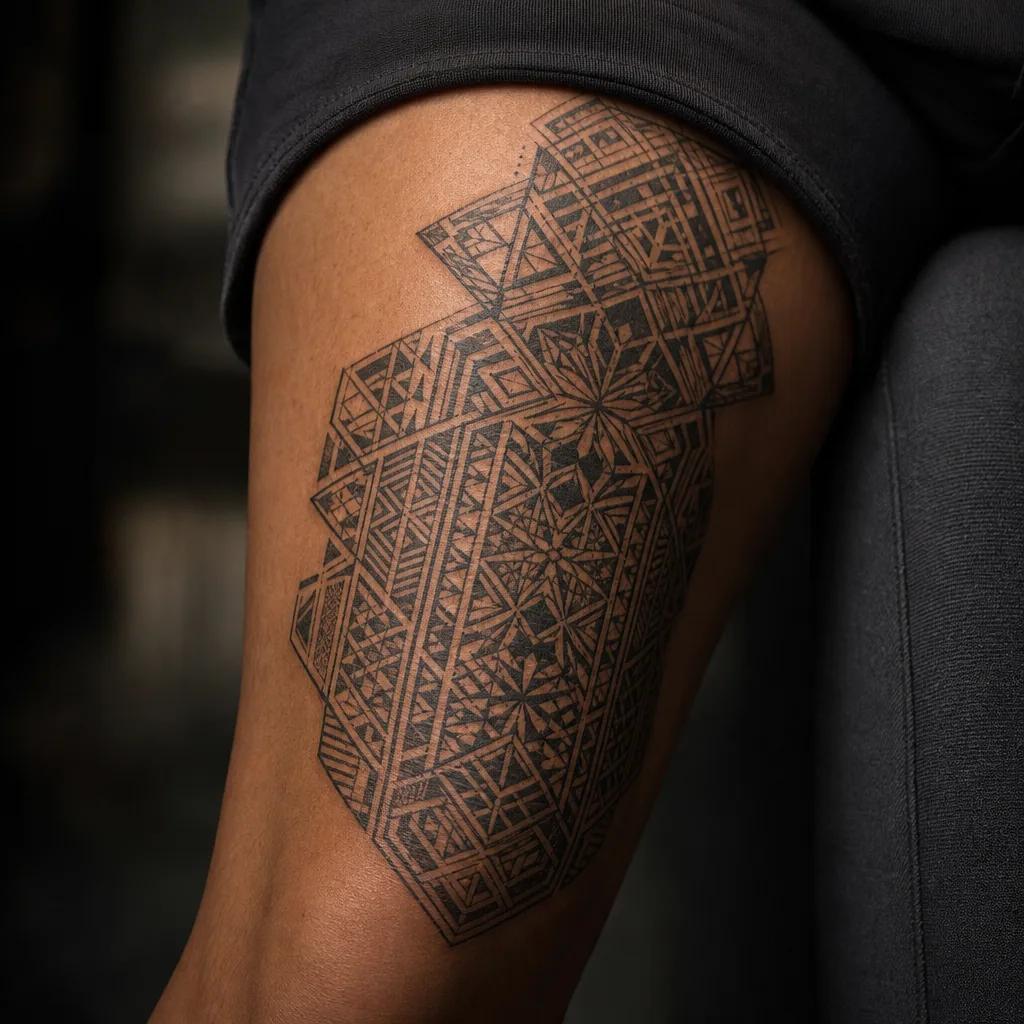
Ornamental style turns a cover-up into a piece of skin jewelry. Dense mandalas, filigree lace and symmetrical patterns reorganize the space and absorb the old design into a structured motif. Ideal on the shoulder, thigh or back for large areas. The ornamental repetition draws the eye away from imperfections and gives a refined result, provided the work is entrusted to an ornamental specialist.
Where to place your Cover-up tattoo
Forearm
The forearm accounts for most cover-ups: it's the most exposed placement, so it's the one where people are most eager to move on from an old tattoo. The flat, extended surface allows for a dense covering design without distortion. Favor a vertical or enveloping motif that occupies the full width, so no part of the old tattoo stays visible.
Arm and shoulder
The arm and shoulder offer a large surface, ideal for ambitious cover-ups: lush floral compositions, realistic or ornamental pieces 6 to 12 inches across. The curve of the muscle helps the new design blend in. It's the perfect placement when the old tattoo is large and a small motif wouldn't be enough to neutralize it.
Calf and leg
The calf is an underrated cover-up zone: a generous surface, skin that ages well and a result that's easy to hide under trousers. Ideal for a dense medium-sized neo-traditional or blackwork cover-up. The leg also lets you extend the composition toward the thigh if the old tattoo is especially large.
Tips for a great Cover-up tattoo
Prepare your design
Before booking your appointment, take the time to refine your Cover-up tattoo idea. With our AI generator you can test different styles, sizes and placements for free in just a few seconds. That way you walk into the studio with a clear reference. Save 3 to 5 variations. Your tattoo artist can use them as inspiration and create a truly unique tattoo, adapted to your anatomy and your skin.
Find the right tattoo artist
Not every artist masters every style. For your Cover-up tattoo, browse the Instagram portfolios of several artists and pick someone whose recent work matches the look you have in mind. Check their Google reviews, the studio hygiene (sterile single-use equipment, fresh gloves) and feel free to ask for a consultation beforehand. It is usually free and lets you plan the project together.
On the day of your appointment
Sleep well, eat a proper meal 1 to 2 hours before and drink plenty of water. Avoid alcohol and aspirin for 48 hours before your appointment. Both thin the blood and make the artist's job harder. Wear comfortable clothing that gives easy access to the tattoo area. Bring a sweet snack for breaks if the session runs longer than 2 hours. The more relaxed you are, the better your skin takes the ink.
Healing and aftercare
The first 2 weeks are crucial. Leave the bandage (or healing film like Saniderm) on for as long as your artist tells you. After that, wash the area 2 to 3 times a day with lukewarm water and a mild, fragrance-free soap. Apply a thin layer of healing cream (Bepanthen, Hustle Butter, Cicaplast). Avoid pools, saunas, baths and direct sun for at least 4 weeks. Above all: never scratch, even when it itches.
Long-term care
A well-cared-for tattoo can still look great 20 years or more after it has healed. The golden rule: SPF 50 sunscreen whenever the area is exposed to the sun. The sun is the ink's worst enemy. Moisturize your skin daily, especially in winter. For fine-line or minimalist tattoos, plan a possible touch-up after 5 to 10 years to refresh the lines.
Create your Cover-up tattoo with AI
Describe your idea, choose your style and get designs in seconds. The AI understands your preferences and creates tattoos ready for your artist.
Create my Cover-up tattooFrequently asked questions
01Can any old tattoo be covered up?
+
Can any old tattoo be covered up?
Almost, but not in just any way. The physical rule is simple: the new design has to be darker and denser than the old one. A light, thin tattoo covers easily; a black, thick or heavily saturated tattoo requires a very dark composition, or even one or more laser removal sessions beforehand to lighten the ink. Only a tattoo artist who specializes in cover-ups can judge from a photo whether a direct cover-up is possible or whether laser is needed first.
02How much does a cover-up tattoo cost?
+
How much does a cover-up tattoo cost?
A cover-up generally costs 30 to 50 percent more than a classic tattoo of the same size, since it requires more design work and density. Expect around $200 to $400 for a small forearm cover-up, $500 to $900 for a medium piece on the arm, and over $1,200 for a large ornamental cover-up. Add the possible cost of prior laser sessions, billed separately at $80 to $200 per session.
03Do you need laser removal before a cover-up?
+
Do you need laser removal before a cover-up?
Not always. If the old tattoo is light, low-density or small, a direct cover-up is often enough. On the other hand, if the ink is very dark, thick or colored, two to four laser removal sessions spaced six to eight weeks apart can lighten it enough to give the artist a clean base. Laser doesn't erase everything: it fades the ink just enough to widen the design options. This decision is always made during a prior consultation.
Good to know before your session
All guidesThe questions you are probably asking yourself right now.
Related ideas
More motifs and placements for your project.