Tattoo Guide/tattoo removal
How do you remove a tattoo: cost, laser and alternatives in 2026?
A youthful mistake, an ex's name, a design that aged badly: removing a tattoo is entirely possible today, but it takes time and money. Here is everything you should know before booking an appointment: real prices, number of sessions, laser technologies and concrete alternatives.
6 min read · Updated Oct 2026
Before going under the laser, virtually test a cover-up on your current tattoo.
Generate your cover-up for freeQuick answer
Tattoos are mainly removed with laser treatment in a medical clinic: expect 80 to 400 € per session and 5 to 15 sessions spaced 6 to 12 weeks apart for complete removal, for a total cost between 500 and 5000 €. Picosecond lasers deliver better results than classic Q-switched lasers. Alternatives include covering the tattoo with a cover-up, dermabrasion, or makeup camouflage.
Key takeaways
- 01Expect 5 to 15 laser sessions spaced 6 to 12 weeks apart for complete removal
- 02Price per session: 80 to 400 € depending on size and laser technology
- 03Total budget to plan for: 500 to 5000 €, sometimes more for large colored pieces
- 04In most countries, laser tattoo removal is a regulated medical procedure, always check your practitioner is licensed
- 05A picosecond laser clears ink faster than a Q-switched laser, but costs 30 to 50% more per session
The most commonly regretted tattoos
TryTattoo designsThree typical cases: an ex's name, a dated colored tattoo, or a design you would rather cover up.
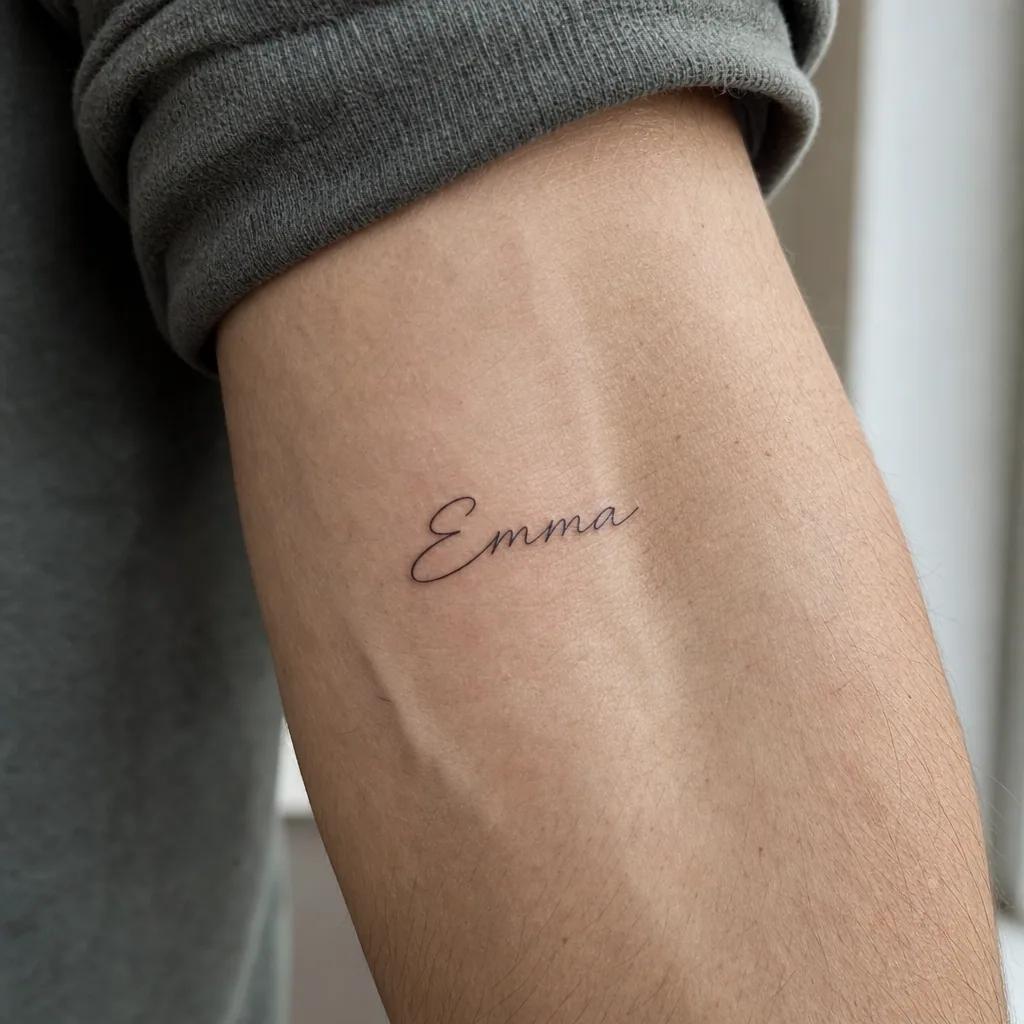 5-8 sessions
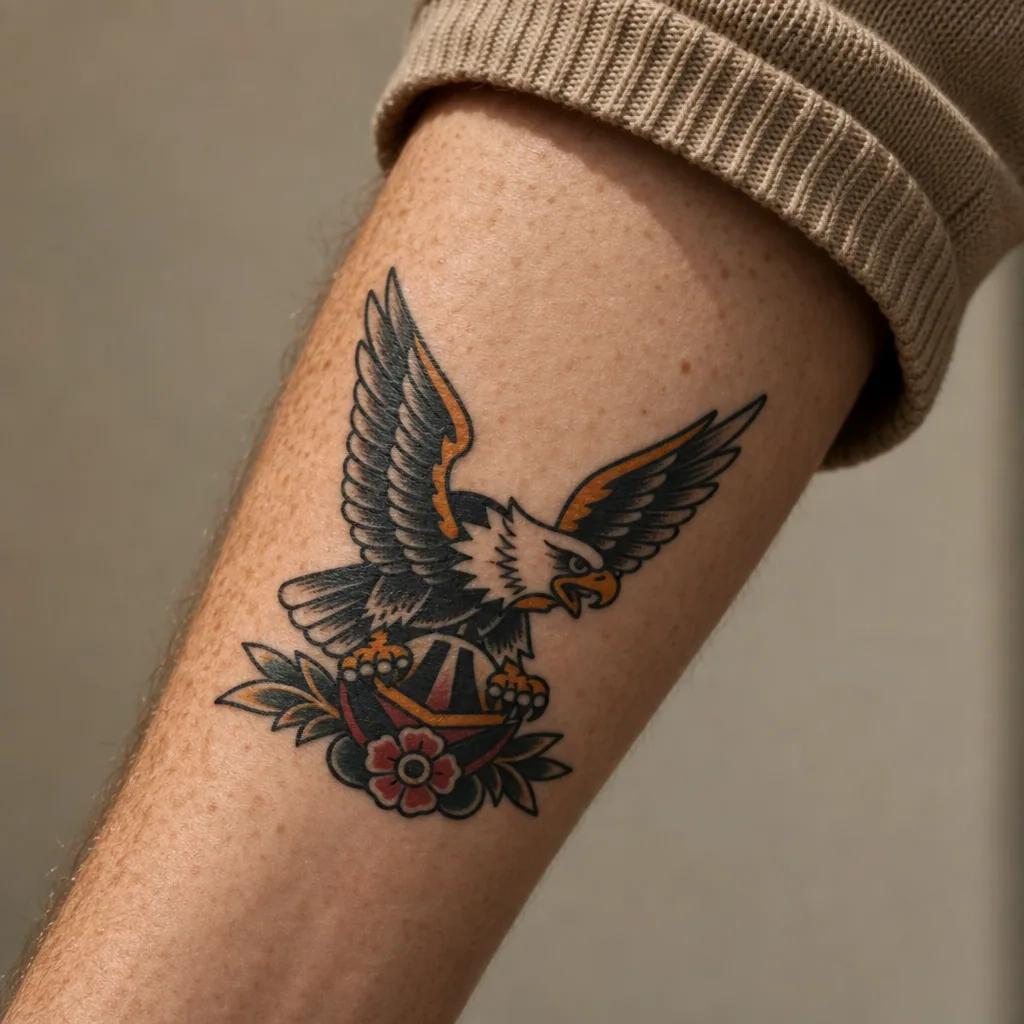 3000-6000 €
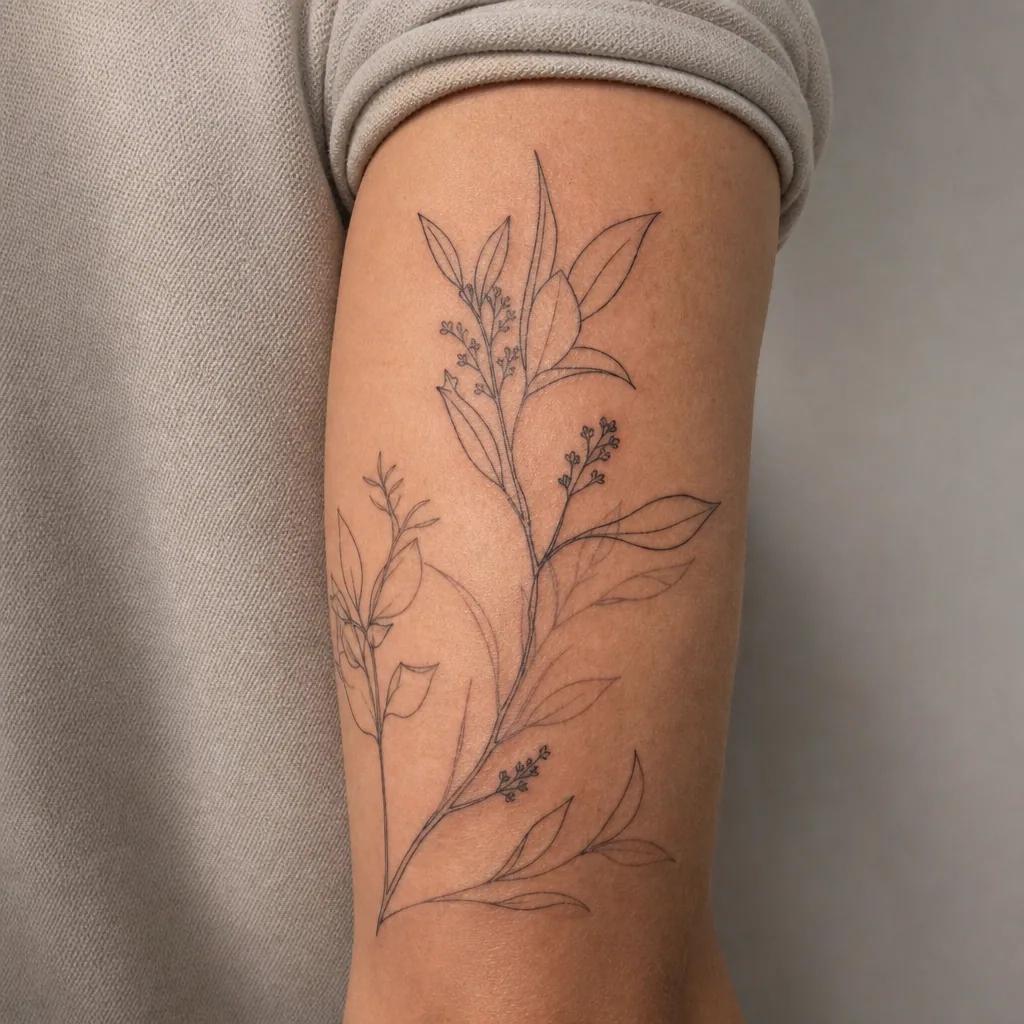 Alternative
How does laser tattoo removal work?
The laser fires extremely short pulses that shatter the ink pigments into microscopic particles. Your immune system then gradually clears those fragments through the lymphatic system. Multiple sessions are needed because each pass only fragments part of the ink. Two laser families dominate the market: the Q-switched (Nd:YAG, the standard for 30 years, reliable and affordable) and the picosecond laser (pulses measured in trillionths of a second, much faster and more precise). The pico laser breaks ink into finer particles, which cuts the number of sessions by 30 to 50%.
How many sessions to erase a tattoo?
The number of sessions depends on several factors:
- 5 to 8 sessions: small black tattoo, older than 10 years, light skin
- 8 to 12 sessions: medium-sized professional tattoo with saturated black ink
- 12 to 20 sessions: colored tattoo (especially yellow, green, white) or very saturated work
- More than 20 sessions: large, complex tattoos with heavy coverage and multiple colors
Allow 6 to 12 weeks between sessions so the skin can heal and the fragmented pigments can be cleared. Complete removal therefore takes 1 to 3 years on average.
What factors change the price of tattoo removal?
The price of a session depends on five main factors. Size first: the surface in square centimeters defines the complexity. Ink density next: an amateur tattoo applied with little ink fades faster than saturated professional work. Colors matter enormously: black and red clear quickly (1064 nm laser), while yellow, green and white are the most stubborn because the laser absorbs those wavelengths poorly. Age plays a role: a tattoo older than 10 years usually clears faster than fresh ink. Finally, location: areas farthest from the heart (ankles, feet, hands) have weaker lymphatic circulation and need more sessions.
What are the alternatives to laser removal?
Laser isn't the only option, even though it is the most effective:
- The cover-up: a tattoo artist designs a new, larger and darker piece over the old one. Fast (1 to 3 sessions) and affordable (200 to 1500 €), but the new tattoo must be darker and bigger than the original. We explain what is really possible in the guide [how to cover up a tattoo](/guide/tattoo-cover-up).
- Dermabrasion: surgical sanding of the upper skin layers. Effective but often leaves a permanent scar. Performed in a medical clinic, expect 500 to 2000 €.
- Surgical excision: removal with a scalpel followed by stitches. Reserved for small tattoos, leaves a linear scar. 500 to 1500 € depending on size.
- Medical camouflage: permanent makeup that covers the tattoo. Not a definitive solution, needs redoing every 1 to 3 years.
- Fading creams sold online: no proven effectiveness, and they can damage your skin. Avoid them entirely.
How much does it hurt and what are the risks?
Removal sessions are more painful than getting tattooed. The sensation is often described as a hot rubber band snapping against the skin, sometimes more intense. A session lasts 5 to 30 minutes depending on size. Most doctors apply a numbing cream 30 minutes beforehand or use cold air (cryotherapy). The main risks: redness and swelling (normal, 24-48 hours), blisters (rare), temporary hyperpigmentation or hypopigmentation (3 to 6 months), permanent scarring (rare, mostly with a badly calibrated laser or sensitive skin), and allergic reactions to the released pigments (very rare but documented).
What should you do between two removal sessions?
The skin needs to heal properly between sessions. During the first 48 hours: clean gently with soapy water and apply a healing ointment (Bepanthen, Cicaplast) twice a day. For 2 weeks: avoid sun, pools, the ocean, saunas and friction. Throughout the treatment: protect the area from the sun with SPF 50+ to prevent pigment spots. Drink plenty of water to help your lymphatic system flush out the fragmented pigments.
Laser tattoo removal prices by size and technology (2026)
| Tattoo size | Q-switched / session | Pico laser / session | Estimated total (5-10 sessions) |
|---|---|---|---|
| Very small (1-3 cm) | 50-90 € | 80-140 € | 400-1400 € |
| Small (3-7 cm) | 80-150 € | 120-200 € | 600-2000 € |
| Medium (7-15 cm) | 150-250 € | 200-350 € | 1000-3500 € |
| Large (15-25 cm) | 250-400 € | 350-600 € | 1500-6000 € |
| Very large (over 25 cm) | 350-600 €+ | 500-900 €+ | 2500-9000 €+ |
Average prices in euros observed in 2026. Rates vary by country and clinic. Heavily colored tattoos (yellow, green, white) require 30 to 100% more sessions, which raises the total.
Real examples
Name on the wrist (2-3 cm, black)
Small name tattoo on the wrist, simple black ink. 5 to 8 sessions are usually enough for complete removal.
400-900 €
Tribal on the forearm (10 cm, saturated black)
Early-2000s tribal design, dense professional black ink. 10 to 15 sessions for complete removal, spread over 1 to 2 years.
1500-3000 €
Colored old school on the calf (15 cm)
Old school tattoo with red, yellow and green. Yellow and green strongly resist laser, expect 15 to 20 sessions.
3000-6000 €
Full sleeve on the entire arm
Tattoo covering the whole arm from shoulder to wrist. A pico laser is almost mandatory, spread over 2 to 4 years.
5000-10000 €+
Cover-up: hiding a name under a floral design
Covering with a larger, darker floral piece. The fast alternative to removal, one to three sessions.
200-500 €
Small star on the ankle (3 cm, amateur ink)
Small, lightly saturated amateur tattoo, 15 years old. Clears quickly, 5 to 7 sessions are enough.
300-700 €
See your tattoo before the appointment
A well-planned cover-up can save you 2 to 4 years of laser sessions and several thousand euros.
Generate your cover-up for freeFrequently asked questions
01At what age can you get a tattoo removed?
+
At what age can you get a tattoo removed?
There is generally no specific legal minimum age for laser removal, but most doctors require the area to have been fully healed for at least 6 to 12 months. For a minor, parental consent is mandatory (just like for the original tattoo), and in practice doctors often refuse to treat minors without a serious reason. For pregnant or breastfeeding women, removal is contraindicated until breastfeeding has ended.
02Is laser tattoo removal covered by health insurance?
+
Is laser tattoo removal covered by health insurance?
No. Tattoo removal for cosmetic reasons is almost never covered by public health systems or private insurance. Only exceptional cases of tattoos linked to medical trauma (radiotherapy markings, accidents) are sometimes covered with a referral from your doctor. You pay the clinic directly by card or transfer, and many practices offer installment plans.
03Can you get a new tattoo over a lasered area?
+
Can you get a new tattoo over a lasered area?
Yes, but you must wait until the skin has fully recovered, which means 6 to 12 months after the last laser session. The treated area may have slightly thinner skin or different pigmentation, which can affect how the new tattoo renders. Ask your tattoo artist for advice, they will adapt their approach: colors, needle depth, design. Some artists refuse to tattoo over a recently lasered area to avoid complications.
04Do tattoo removal creams exist?
+
Do tattoo removal creams exist?
No cream sold in stores or online has demonstrated any scientific effectiveness at removing a tattoo. Products like TCA peels, Wrecking Balm or Tattoo Vanish are at best useless and at worst dangerous: chemical burns, permanent scars, infections. Tattoo ink sits in the dermis, below the skin barrier, and no cream can reach it without destroying the skin itself. Be wary of miracle promises on social media.
05How long does it take to fully erase a tattoo?
+
How long does it take to fully erase a tattoo?
Expect 1 to 3 years on average for complete removal. The math: 6 to 12 sessions spaced 6 to 12 weeks apart. For a small, simple black tattoo, 8 to 12 months is often enough. For a large colored tattoo, plan for 2 to 4 years. Be patient: rushing the sessions does not improve results and increases the risk of scarring. Your body needs time to clear the fragmented pigments through the lymphatic system.
06Do you need a medical consultation before the first session?
+
Do you need a medical consultation before the first session?
Yes, a preliminary consultation is required before the first session. The doctor assesses your skin type (phototype), examines the tattoo (size, colors, age, density), checks for contraindications (tanned skin, pregnancy, autoimmune disease, certain medications such as isotretinoin) and gives you a cost estimate. This consultation typically costs between 30 and 80 €. Use it to ask all your questions: estimated number of sessions, technology used, total price, pain management.
Go further
More guides and inspiration to feed your project.

Author
The TryTattoo team
The studio behind the AI tattoo generator
TryTattoo helps people planning a tattoo project: AI design generation, on-skin preview, price estimation. Our guides rely on public sources, are illustrated with designs created with our own tool, and are reviewed before publishing.
More about TryTattoo →